Backrooms, the A24 horror film that arrives in theaters today, contains no end credit scene or post-credits scene. Audiences can safely leave immediately after the final frame rolls—there is nothing additional to wait for. The 110-minute film tells a complete narrative without relying on bonus footage, a refreshing approach for a genre increasingly dependent on mid-credits and post-credits reveals.
🔥 Quick Facts
- No post-credits scene — the film ends completely when credits roll
- Runtime: 1 hour 50 minutes — no extended content hidden after the credits
- Premiered May 29, 2026 — A24’s limited theatrical release expanded nationwide
- 87% Certified Fresh on Rotten Tomatoes — critics praised its atmospheric storytelling
- $76M–$79M opening weekend — shattering A24’s box office records
What This Means for Viewers
The absence of credits sequences is a deliberate creative decision by director Kane Parsons, the 20-year-old filmmaker behind the viral YouTube series adapted into this feature. Rather than adding teasers for potential sequels or extended mythology, Backrooms commits fully to its theatrical runtime, trusting the core narrative to satisfy audiences. This approach stands in contrast to the current superhero and franchise-driven Hollywood landscape, where post-credits scenes have become mandatory marketing devices.
Many horror films employ credits sequences strategically—to provide jump scares, alternate endings, or setup for future installations. Backrooms rejects this formula. The film’s 110-minute duration is engineered as a complete experience, with no dangling threads requiring post-credits resolution. This fullness of ending can feel rare in modern cinema, where even intimate character dramas often include cryptic bonus footage.
The Creative Intent Behind No Extra Scenes
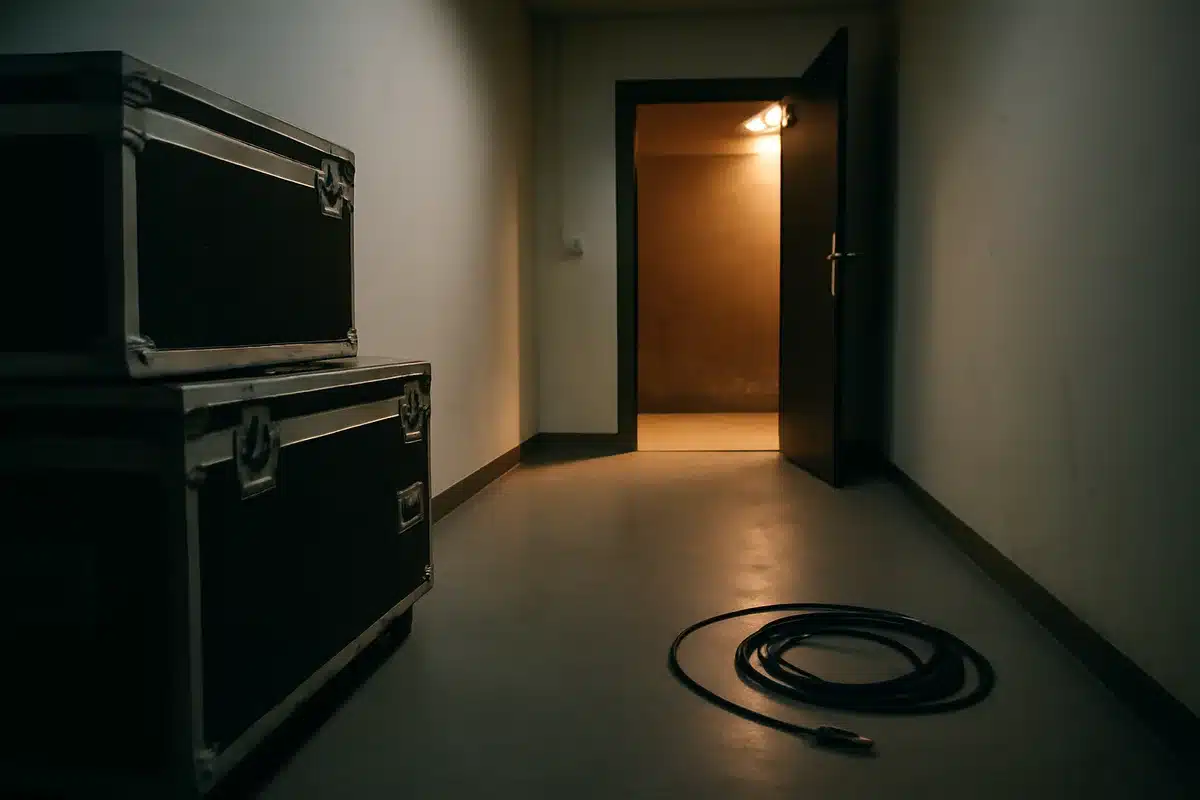
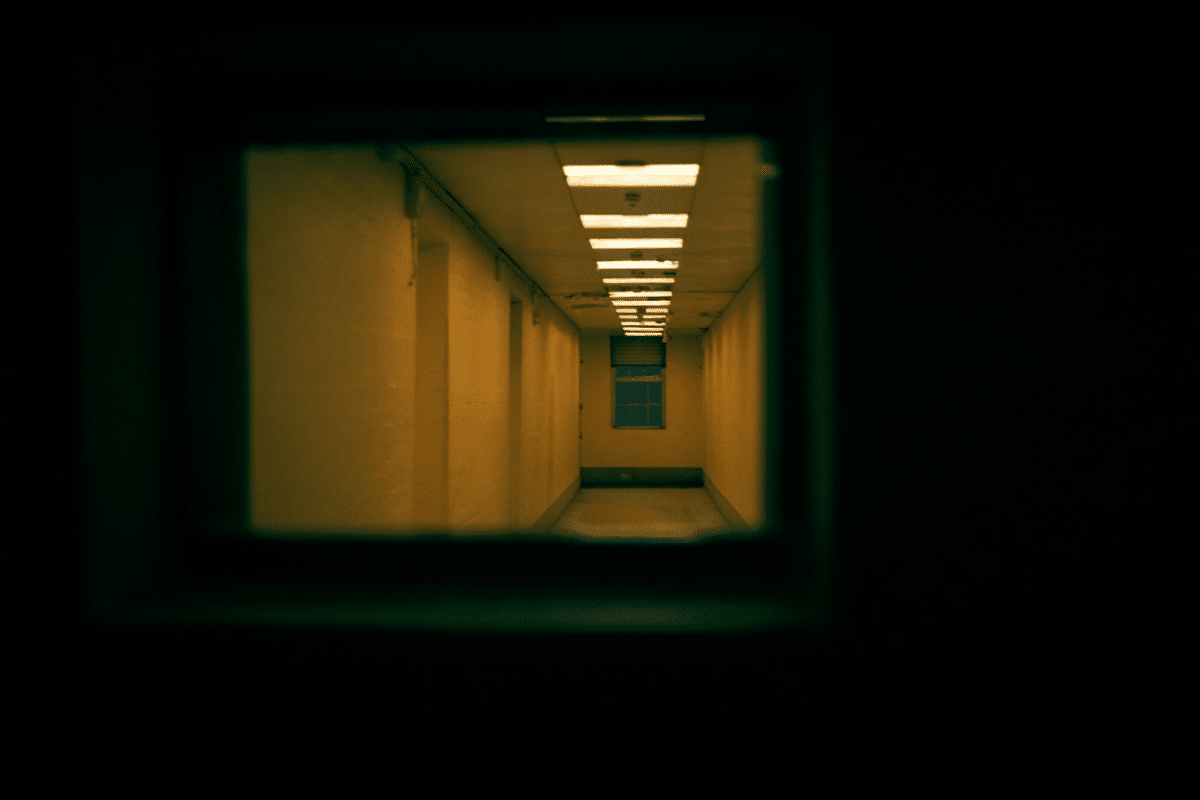
In interviews, Parsons has emphasized that his film prioritizes atmosphere, visual storytelling, and psychological dread over franchise expansion. The Backrooms mythology—centered on designer-designed liminal spaces and unexplained otherworldly dimensions—requires immersion rather than exposition. The story follows Clark, played by Chiwetel Ejiofor, a furniture store owner who discovers a mysterious doorway leading to an infinite, unsettling realm. His exploration of this space forms the emotional core; no bonus scene could enhance that journey.
The decision also reflects Parsons’ YouTube origins. His original series succeeded through pacing, visual composition, and viewer speculation—not through announced sequels or expanded universes. The theatrical film maintains this aesthetic philosophy. For viewers exhausted by post-credits obligations, Backrooms offers permission to leave without guilt. The film’s runtime and narrative structure align; neither demands extension.
Critical Reception and Audience Response
Early critic responses emphasize Backrooms‘ commitment to atmosphere and ideas. The New York Times noted the film’s ambitious exploration of liminal space psychology, calling it “lost in the expansion”—referencing the disorienting vastness of its visual design. Rotten Tomatoes ratings sit at 87% among critics, with 90% audience score, reflecting strong reception across both professional and general audiences. Reviewers highlighted Parsons’ assured directorial debut, his strategic use of visual language over exposition, and the film’s economic storytelling as strengths.
No critic lamented the absence of credits scenes. Instead, the evaluation centered on whether the film’s psychological tension sustained across its runtime—it did. Box office projections of $76M–$79M for the opening weekend suggest audiences embrace the film’s unconventional approach, validating Parsons’ vision and proving that horror doesn’t require franchise scaffolding to succeed.
The Broader Trend of Stand-Alone Horror
In an era of interconnected cinematic universes, Backrooms joins recent horror successes that resist franchise impulses. A24, the distributor, has established a reputation for championing original, singular films over serialized content. From Hereditary to The Lighthouse to X, A24’s catalog includes powerful standalone narratives that refuse franchise expansion. Backrooms continues this pattern, prioritizing aesthetic coherence and thematic completion over commercial sequelization.
This creative stance carries implications. Directors gain autonomy over their endings. Audiences receive closure. The film’s marketing can emphasize narrative completion rather than universe expansion. For a horror feature adapted from web content—where expansion and community speculation already exist—theatrical restraint makes artistic sense. The ensemble cast featuring Mark Duplass and Renate Reinsve provides human grounding; no post-credits tease could deepen that emotional investment.
“Backrooms is a startlingly assured feature debut from director Kane Parsons, bending the liminal spaces that have haunted the internet for years into a horror film of genuine psychological weight.”
— Critical consensus, Rotten Tomatoes Reviews
Should You Stay for the Credits?
The straightforward answer: no need. Backrooms delivers its complete vision within the runtime. For audience members who enjoy pure narrative satisfaction without bonus content, the film respects their decision to exit immediately upon the final cut to black. There are no hidden jokes, alternate endings, or surprise cameos embedded in the credit roll. The credits themselves exist for attribution and crew acknowledgment, nothing more.
This transparency—rare in contemporary filmmaking—allows viewers to plan their theater departure around their own preferences rather than franchise obligation. Whether rushing home or lingering in the theater for emotional processing, Backrooms accommodates both choices equally.
Sources
- Just Jared — Post-credits scene confirmation
- SlashFilm — End credits analysis and spoiler-free guide
- Rotten Tomatoes — Critical reviews and audience ratings
- Deadline — Box office projections and preview performance
- The New York Times — Critical review and directorial assessment
- Variety — Director interview and industry context
- A24 Films — Official film details and studio information