Backrooms, the A24 horror film directed by 20-year-old filmmaker Kane Parsons, opened in theaters on May 29, 2026, with a remarkable $76 million opening weekend projection. The film—adapted from internet creepypasta lore—marks a landmark moment for horror cinema: a young YouTube content creator’s vision elevated to theatrical scale with Chiwetel Ejiofor, Renate Reinsve, and Mark Duplass leading an ensemble cast. What audiences experience is not the sensationalized internet rumor mill, but an intellectually ambitious, atmospheric examination of memory, trauma, and the spaces we inhabit.
🔥 Quick Facts
- May 29, 2026 — Backrooms released in the United States by A24
- $76–$79 million — U.S. opening weekend projection with $10M+ in previews
- Kane Parsons — 20-year-old writer-director and former YouTube content creator
- 89% on Rotten Tomatoes — Critics praise its atmospheric horror and original vision
- R rating — Language and some violent content
From Creepypasta to Cinema: The Origins of Backrooms
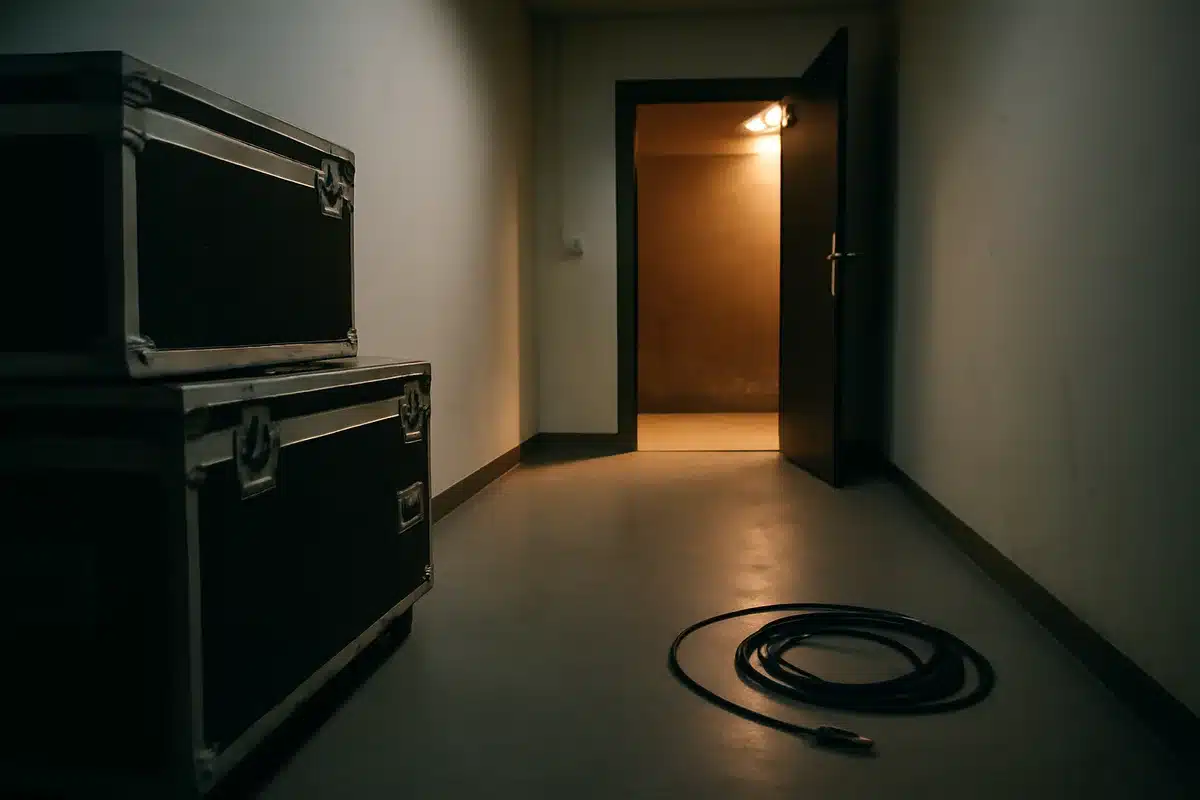
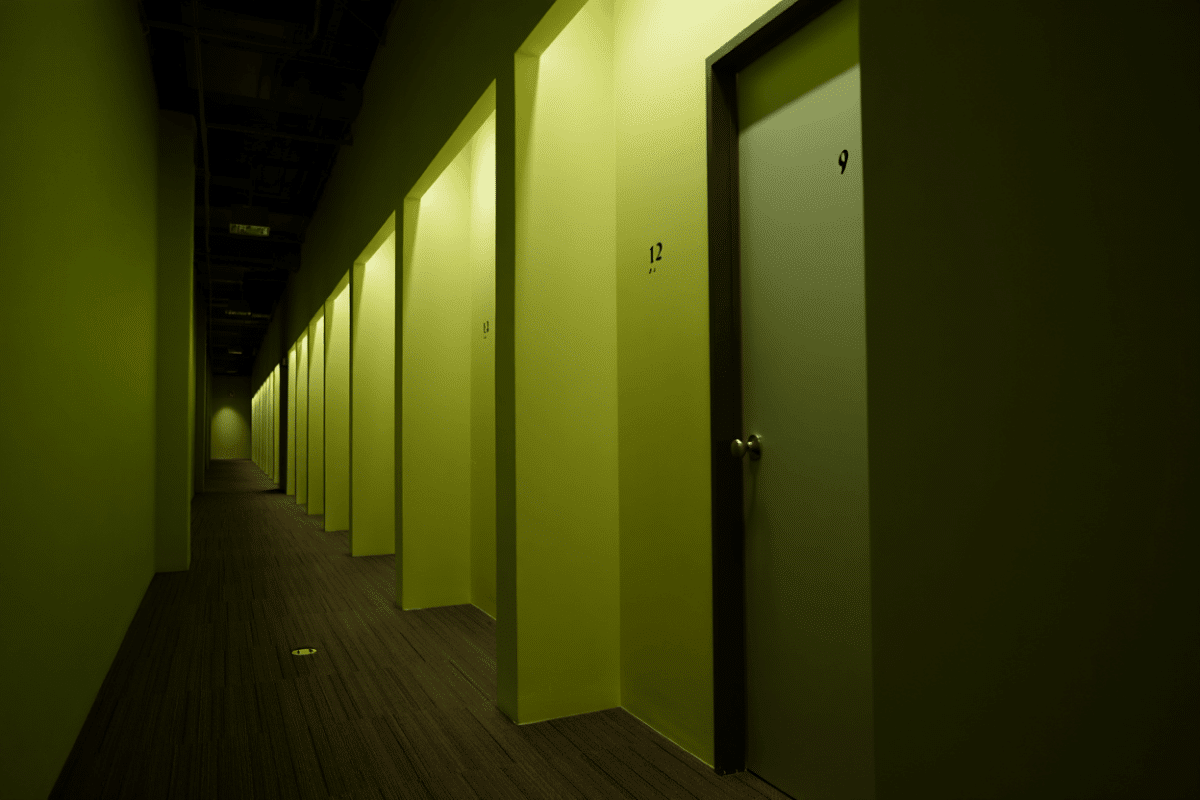
The Backrooms concept emerged from internet horror folklore—a creepypasta featuring liminal spaces: the eerie, half-finished corridors and fluorescent-soaked rooms that feel familiar yet completely off. The narrative describes accidental “no-clipping” into an alternate dimension of mundane architectural non-space. Kane Parsons, working as a YouTuber known as Kane Pixels, began adapting this concept in 2021 at age 16, creating an acclaimed short film series that expanded the lore through found-footage aesthetic and genuine dread rather than jump scares.
What distinguishes this adaptation is its philosophy: rather than merely translating internet folklore, Parsons reimagined the Backrooms as a psychological landscape where memories trap their carriers. The film transforms viral creepypasta into meditative horror—exploring alienation, loss, and the architecture of personal dysfunction. A24‘s commitment to the project signals the studio’s confidence in young talent and experimental horror that privileges atmosphere over exploitation.
Plot and Cast: A Therapist’s Obsession
The story follows Clark, a furniture store owner portrayed by Chiwetel Ejiofor, who discovers a strange doorway in the basement of his workplace. Instead of ignoring it, he becomes obsessed with exploring this peculiar alternate space every night. Meanwhile, his therapist, Dr. Mary Kline, played by Renate Reinsve, begins noticing his deteriorating mental state. As Clark spirals deeper into the Backrooms, Mary herself becomes drawn to the phenomenon, entering the space to locate him.
Mark Duplass appears as Phil, Finn Bennett as Bobby, and Lukita Maxwell as Kat—ensemble members whose presence grounds the film in shared trauma rather than isolated protagonists. This ensemble approach mirrors how the Backrooms mythology expanded through community building online. The screenplay by Roberto Patino and Will Soodik mines psychological horror from obsession and the compulsive need to understand incomprehensible spaces. Critics describe the film as emotionally intelligent precisely because it treats the Backrooms not as literal architectural anomaly but as external manifestation of internal damage.
Critical Reception and Thematic Depth
| Critical Outlet | Assessment | Key Strength |
| Rotten Tomatoes | 89% Critics / Strong Audience | Minimalist storytelling, atmospheric precision |
| The Guardian | Positive (genre-redefining) | Progressive escalation of scares without reliance on jump sequences |
| New York Times | Mixed (story expansion weakens) | Initial banality of liminal space concept |
| Metacritic | 77% (Critics consensus) | Sparse storytelling accommodates viewer imagination |
The Guardian‘s review describes the film as “icily disturbing horror that rewrites genre rulebook.” The key insight: Parsons’ Backrooms succeeds because it refuses conventional horror pacing. The early sequences employ discomfort and wrongness—the sensation of being slightly off from reality—rather than threats. When violence arrives, it arrives contextually, with purpose.
Critics emphasize how the film treats liminal space aesthetics as metaphor for internal imprisonment. Characters moving through endless, half-finished hallways mirrors how trauma traps its victims in recurring patterns. This thematic precision elevates Backrooms beyond novelty adaptation: it becomes genuine artistic vision expressed through a viral property.
Box Office Performance and Industry Implications
The $76–$79 million opening weekend projection represents remarkable success for A24, potentially becoming the studio’s largest theatrical opening. This success matters beyond box office: it validates internet-native storytelling and demonstrates that generational talent—a filmmaker who built his reputation on YouTube—can command mainstream theatrical releases without compromising artistic integrity. Prior A24 openings typically ranged from $5–15 million, making Backrooms exceptional.
The film enters theaters amid broader industry recognition that horror remains reliable theatrical anchor, particularly when filmmakers bring authentic vision rather than franchise obligation. Backrooms’ success also signals audience appetite for cerebral, atmosphere-driven horror—the opposite of jumpscape trends that dominated horror for the past decade.
What Backrooms Movie Reveals About Internet Horror Evolution
Perhaps most significant: Backrooms represents maturation of creepypasta as source material. Early internet horror (2009–2015) favored Slenderman-adjacent narratives—humanoid threats, clear antagonists. Modern internet horror, born from communities like Kane Pixels’ audience, gravitates toward existential dread and spatial wrongness. The Backrooms creepypasta itself—with its impersonal, liminal aesthetic—captures contemporary anxiety about alienation within hyperreality: always accessible yet profoundly isolating spaces.
This thematic shift reflected in successful horror of recent years: films that explore psychological tension over monster spectacle. Director Parsons inherited this sensibility from internet communities and refined it into a theatrical experience that respects both source loyalty and cinematic artistry.
“Backrooms progressively raises its game towards the big finish with jump scares, squirm scares and tiny shiver scares. There is real fascination here—not just in the premise, but in its psychological execution.”
— The Guardian film review
Why Backrooms Movie Opens This Moment in Horror
The May 29, 2026 release arrives when theatrical horror faces genuine crossroads. Streaming platforms have normalized at-home premium releases, yet audiences still attend cinemas for experiences designed for shared anxiety. Backrooms thrives specifically within theater acoustics—the film’s minimalist sound design, sparse dialogue, and prolonged silences demand undistracted attention. The aesthetic of liminal spaces becomes exponentially more unsettling when experienced in darkened rooms with strangers.
Additionally, the international success of A24’s horror catalog—sustained by filmmaker autonomy and artistic risk-taking—has created audience expectation for originality. PG-13 horror underperformed as studios recognized that restricted ratings, counterintuitively, build prestige and word-of-mouth. Backrooms’ R rating and mature themes position it as serious filmmaking, not commercial product.
What Comes After Backrooms’ Opening Weekend?
If Backrooms sustains its opening through positive word-of-mouth—and early critical consensus suggests strong hold potential—the film could redefine genre film profitability for independent studios. This threatens established franchise models while promising creative alternatives to studios willing to unconditional support younger directing talent. Kane Parsons has effectively skipped traditional industry gatekeeping pathways—from YouTube to theatrical release without studio development hell or excessive notes.
The question becomes: will other major studios recognize that audiences actively seek directorial voices and atmospheric horror over remakes? Backrooms’ trajectory provides case study suggesting the answer is affirmative. Whether the film sustains box office through subsequent weekends remains to be determined, but cultural impact may exceed earnings: this is film history, documented in real time, as internet culture fully enters mainstream cinema.
Sources
- Deadline — Box office tracking and opening weekend projections
- Wikipedia — Film production details, cast, and credits
- Rotten Tomatoes — Critical consensus and audience reception
- The Guardian — Critical analysis and thematic interpretation
- Metacritic — Aggregate critical response
- IMDb — Cast, crew, and user ratings