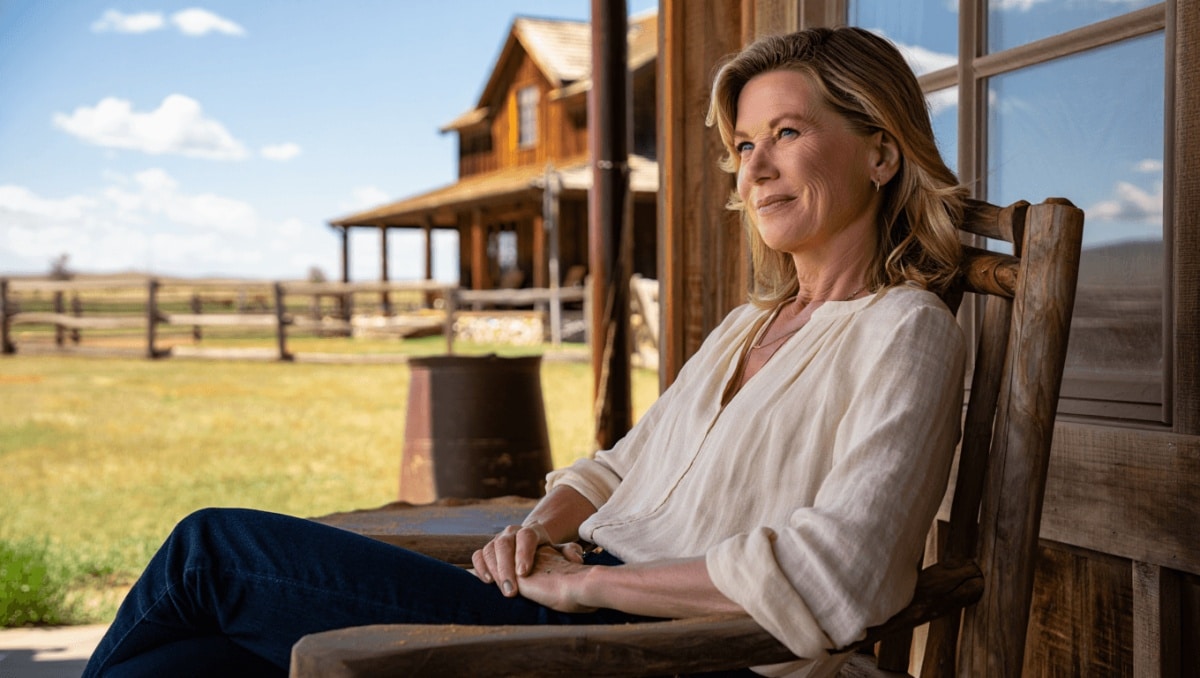
Annette Bening has been reflecting on why the fictional Dutton Ranch — the sprawling family drama at the center of the Yellowstone universe — continues to grip viewers. Her observations cut to the heart of what makes modern television about power and place feel urgent and culturally relevant right now.
Bening, a long‑standing presence in film and theater, framed the Dutton story as more than a contemporary western: it’s a portrait of inheritance, conflict and the cost of protecting land in an era of shifting values. Rather than romanticizing cowboy life, she pointed to the show’s insistence on moral complexity and family obligation as what keeps audiences returning.
The appeal is not simply spectacle. The series mixes gritty rural conflict with intimate family scenes, creating a tension between public stakes — politics, development, jurisdiction — and private loyalties. That blend, Bening argued, is a model for how character-driven television can still speak to national conversations about identity and ownership.
For viewers, those themes translate into immediate questions: who controls land and resources, how much does legacy justify force, and what does stewardship look like in a changing climate? For the entertainment industry, the Dutton saga demonstrates how serialized storytelling can support multiple spinoffs and generate sustained audience engagement across platforms.
Why this matters now
- Renewed interest in rural stories: Audiences are responding to narratives that interrogate the myths of the West rather than simply celebrate them.
- Streaming economics: Long-running family dramas can become multi‑series franchises, attracting subscribers and licensing deals.
- Political resonance: Storylines about land, law and authority echo real debates about conservation, development and indigenous rights.
- Actor-driven prestige: Established performers engaging with these shows raise their cultural cachet and bring new viewers to serialized TV.
Industry observers see Bening’s commentary as part of a larger conversation about how prestige actors and mainstream franchises intersect. When seasoned performers weigh in on popular series, they highlight how these narratives have moved from niche interest to central pieces of cultural conversation.
At the same time, the Dutton saga’s success points to changing audience tastes. Viewers increasingly favor stories that resist easy moral judgments, and that show the costs of power in domestic, legal and environmental terms. That complexity gives writers room to explore contemporary issues within the familiar architecture of a family drama.
There are possible pitfalls. Leaning too hard on melodrama can undercut political nuance, while repetitive plot beats risk franchise fatigue. Bening suggested — without prescribing a formula — that staying anchored in character truth is the safest path forward for shows that aim to both entertain and provoke.
Whether you follow the Yellowstone universe for the landscape, the family dynamics, or the headlines it generates, the conversation around the Dutton Ranch has become an index of how television now reflects broader debates about place and power. For viewers and creators alike, the takeaway is clear: serialized drama that treats its characters and conflicts with seriousness can still shape cultural conversations in meaningful ways.