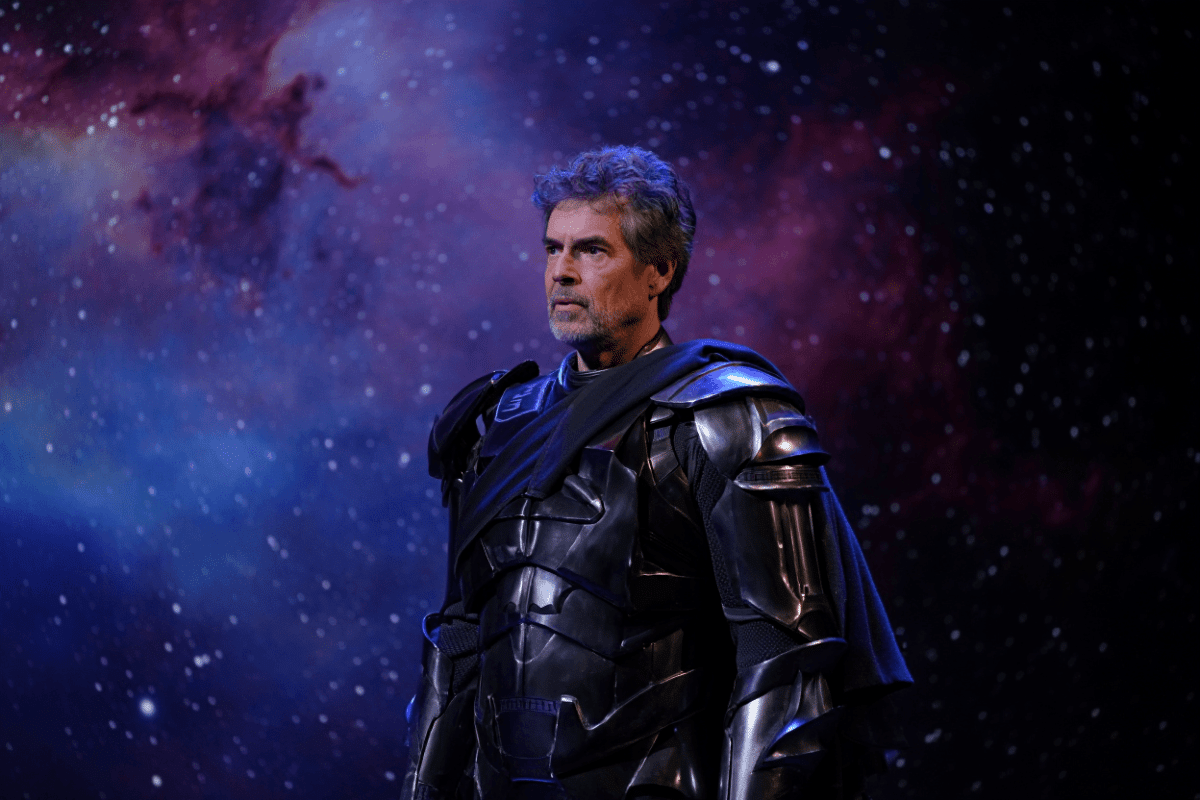
Star Wars: The Mandalorian and Grogu arrives in theaters today, marking the first Star Wars theatrical release in seven years since The Rise of Skywalker in 2019. The film opens to $80-96 million domestic box office projections for the 4-day Memorial Day weekend, with global tracking suggesting a $160 million opening. Directed by Jon Favreau, the feature film continues the beloved character arcs from the Disney+ series and marks a significant moment for the franchise’s theatrical return.
🔥 Quick Facts
- Release: Today, May 22, 2026 — opening exclusively in theaters and IMAX screens
- Domestic Box Office: $80-96M projected for the 4-day Memorial Day weekend
- Global Opening: $160 million estimated worldwide gross
- Seven-year franchise gap: 2019 was The Rise of Skywalker, the last Star Wars theatrical film
- Director: Jon Favreau — who also produced and co-wrote with Dave Filoli
Why The Seven-Year Gap Matters for Star Wars
The absence of a theatrical Star Wars film since December 2019 represents the longest drought for the franchise in theatrical releases since its 1977 debut. Following the mixed critical reception to the Final Trilogy (The Force Awakens, The Last Jedi, and The Rise of Skywalker), Disney and Lucasfilm recalibrated their theatrical strategy. This extended gap reflects the industry’s recognition that Star Wars fatigue had set in, particularly among casual moviegoers who felt oversaturated by rapid-fire releases between 2015-2019. The Mandalorian series on Disney+ became the primary storytelling vehicle, building a loyal fanbase for these characters without the theatrical commitment.
The seven-year hiatus also allowed time for franchise fatigue to cool. Industry analysts note this is deliberate positioning—theaters have become premium experiences reserved for major tentpoles. Star Wars needed to feel like an event, not routine, and this timing capitalizes on that reset.
The Mandalorian Meets Theatrical Scale: Production Details
Director Jon Favreau brought cinematic ambition to this adaptation. The film was shot with IMAX-certified cameras, marking the first Star Wars theatrical entry designed with the large-format format in mind from production. This technical decision signals confidence in the theatrical experience and aligns with how Avatar and other franchise tentpoles have leveraged IMAX’s visual impact. Composer Ludwig Göransson returns to score the original universe aesthetic, maintaining continuity with the television series’ acclaimed sound design.
The cast includes Pedro Pascal reprising his role as Din Djarin, alongside new additions like Oscar-winning actress Sigourney Weaver as Colonel Ward. Voice work includes Jeremy Allen White as the Hutt crime lord Rotta. The casting reflects Favreau’s approach of combining established talent with the original universe’s expanding narrative.
Box Office Context: Theatrical Expectations in May 2026
Tracking services released projections two days ago showing $81-96 million for the domestic 4-day weekend opening. This positions the film to dominate Memorial Day charts but falls short of earlier Star Wars theatrical peaks. For comparison: The Force Awakens (2015) opened to $248 million domestically, while The Last Jedi (2017) hit $220 million. The $80-96M projection suggests moderate audience interest—strong enough to win the weekend, but reflecting caution about franchise recovery.
| Metric | The Mandalorian & Grogu | Force Awakens | The Last Jedi |
| Release Year | 2026 | 2015 | 2017 |
| Domestic Opening (4-day) | $80-96M (Projected) | $248M | $220M |
| Weekend Type | Memorial Day | December Holiday | December Holiday |
| Franchise Momentum | Post-hiatus reset | Peak excitement | Consolidation |
| Format Innovation | IMAX-shot | Standard | Standard |
Global box office tracking suggests $160 million opening worldwide. This figure accounts for international markets where Star Wars maintains strong appeal, particularly in China and Europe. The Memorial Day weekend timing—rather than the traditional December holiday slot—represents a strategic shift to avoid potential superhero and holiday tentpole competition. May releases allow studios to capture family audiences and franchise enthusiasts before summer begins.
“It’s been nearly seven years since there was a new Star Wars movie released in theaters. That means there’s a whole group of a six-and-a-half-year-old audience who have never experienced Star Wars on the big screen. This is a monumental moment for the franchise.”
— Jon Favreau, Director, Star Wars: The Mandalorian and Grogu (April 2026)
What Comes Next for Star Wars Theater Releases
Disney and Lucasfilm have announced two Star Wars theatrical releases in 2026: this one today, plus The New Jedi Order scheduled for December 18, 2026. This dual-release strategy signals intent to establish Star Wars as a theatrical staple again—but on a slower cadence than the 2015-2019 era that burned out audiences. The seven-year gap served as both a commercial calculation and a narrative reset, allowing the franchise to rebuild audience appetite through Disney+ content before theatrical commitments resumed.
Industry observers note that third Star Wars film is scheduled for 2027 (exact date TBA), suggesting Disney’s confidence in theatrical viability if opening weekend performance meets or exceeds tracking. The franchise’s theatrical future depends significantly on tonight’s performance and word-of-mouth reception over the 4-day opening weekend. Strong results would justify continued theatrical investment; softer numbers might accelerate the shift toward more streaming-focused releases.
Why the Premium Format Matters: IMAX and the Theatrical Experience
Unlike previous Star Wars theatrical entries, The Mandalorian and Grogu was shot with IMAX-certified cameras from inception. This reflects lessons learned from successful franchises like Mission: Impossible and Avatar, which leveraged large-format screens to justify premium ticket pricing. Approximately 26% of the film will be presented in IMAX aspect ratio, expanding the image to fill the entire screen with expanded visual scope. This technical decision addresses a key challenge facing theatrical releases: why audiences should choose a $15-18 ticket over streaming alternatives appearing within 45 days.
The IMAX advantage also carries financial implications. Large-format screens generate 15-25% higher per-ticket revenue and extended box office runs, crucial for films competing against streaming’s convenience factor. Early box office analysis suggests IMAX locations may account for $15-20 million of the four-day domestic total—representing critical margin for profitability.
Will Audiences Return to Star Wars After Seven Years Away?
The seven-year drought presents both risk and opportunity. Market research from May 2026 shows Disney + Series fandom (estimated 15-20 million core enthusiasts) will drive day-one attendance. Family audiences and casual moviegoers represent the swing demographic—these viewers have no theatrical Star Wars memory since 2019, potentially making tonight’s release feel genuinely fresh. Conversely, older core fans may harbor sequel trilogy fatigue, though early reception to The Mandalorian television series has been substantially more positive than the theatrical saga.
Pre-release ticket sales (as of May 21) show 70-75% of projected opening already booked, indicating solid demand among franchise loyalists. General audience awareness has climbed steadily since the May 14 premiere at TCL Chinese Theatre in Los Angeles, where the reception was reported as favorable. Industry consensus suggests the film will perform “above expectations for a post-hiatus franchise entry, but below peak Star Wars theatrical benchmarks.”
Can Star Wars Franchises Thrive Without an Annual Theatrical Cycle?
The seven-year gap raises a strategic question: is theatrical release timing still critical for franchise momentum, or can streaming content sustain enough audience connection that theatrical releases become event films rather than expected annual installments? The Mandalorian television series proved that quality storytelling can build franchise investment without theatrical support. However, theatrical releases remain significant for cultural impact, press coverage, and the event viewing experience that drives international box office and IMAX premium pricing. Tonight’s performance will provide critical data for how other franchises (Marvel, DC, etc.) balance theatrical and streaming strategies going forward.
Sources
- The Hollywood Reporter — Box office tracking and projections as of May 20-21, 2026
- Star Wars Official Site — Cast, crew, and production details
- Deadline — Box office analysis and Memorial Day weekend forecasting
- Rotten Tomatoes — Comprehensive film coverage and industry context
- Industry analysts — Seven-year drought context and theatrical franchise strategy