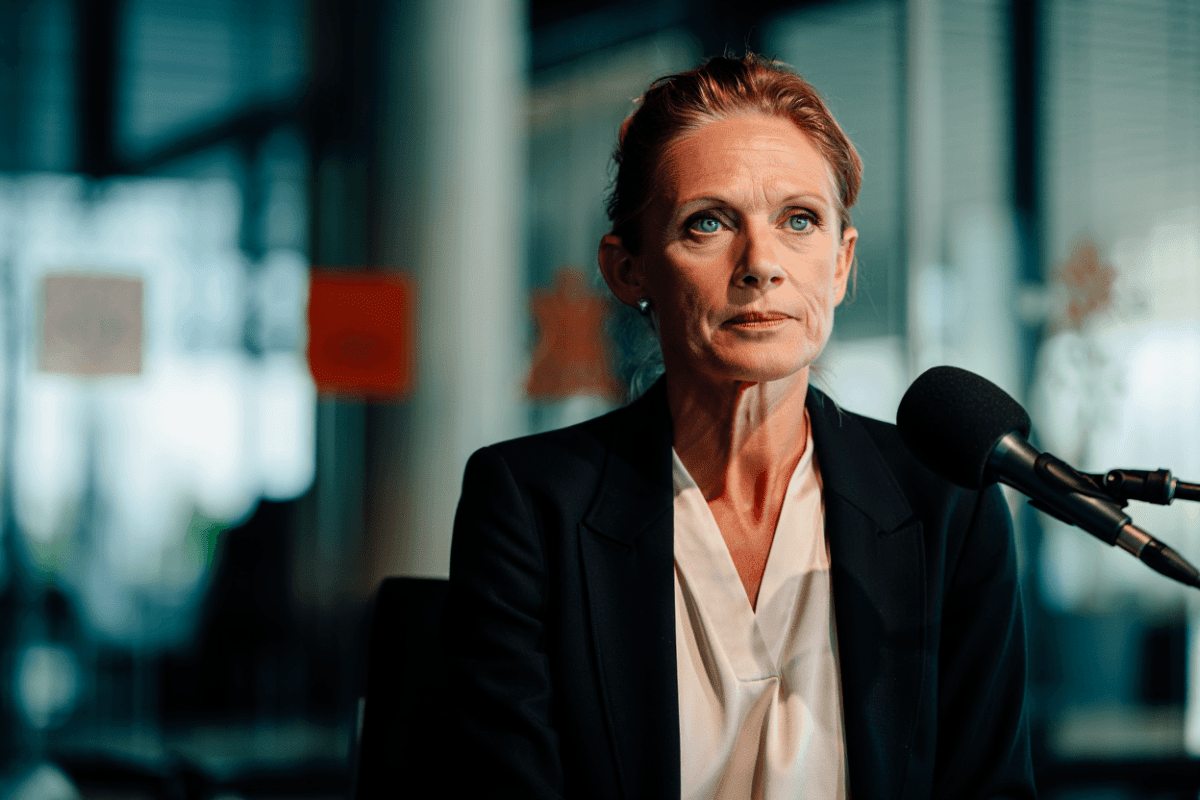
Cate Blanchett delivered a blunt assessment of Hollywood’s reckoning with sexual harassment during the 79th Cannes Film Festival, declaring that the #MeToo movement “got killed very quickly” despite exposing systemic abuse across the industry. The Australian Oscar-winning actor, speaking in a panel discussion on May 17, criticized how the movement failed to produce lasting structural change on film sets, where the gender disparity remains starkly unchanged nearly a decade after the initial reckoning began.
🔥 Quick Facts
- Cate Blanchett criticized the #MeToo movement’s rapid decline during a May 17 panel at Cannes
- Hollywood film sets still reflect gender imbalance of approximately 10 women to 75 men (according to Blanchett)
- Women comprised only 13% of directors on top 250 films in 2025, a 3-point decline from 2024
- The 2026 Cannes Festival opened with Thelma & Louise poster to signal feminist commitment, sparking debate
The Cannes Statement: A Decade of Unfinished Business
Blanchett’s remarks emerged during a high-profile Cannes panel examining gender equality in cinema. The 56-year-old actor articulated frustration with how momentum behind #MeToo evaporated despite initial promises of systemic reform. She framed the issue not as a single failure but as evidence of deeper institutional resistance: the movement exposed a “systemic layer of abuse” in filmmaking, yet the underlying power structures that enabled that abuse remained largely untouched.
The timing of her statement carries weight given Cannes 2026’s explicit feminist positioning. Festival organizers chose imagery from Ridley Scott’s “Thelma & Louise” for the official poster, a gesture toward female empowerment that critics labeled “feminism washing”—using iconic female figures while maintaining male-dominated decision-making roles.
The Numbers Behind the Critique
Blanchett’s emphasis on set demographics revealed one key metric. She noted conducting “headcounts” every time she arrives on film sets, finding consistent patterns of severe underrepresentation of women in below-the-line roles. This observation connects to broader industry data:
| Metric | 2025 Data | Status / Trend |
| Women Directors (Top 250 Films) | 13% | Down 3 points from 2024 |
| Gender Balance on Film Sets | Approx. 10:75 (W:M) | Persistent disparity |
| #MeToo Movement Status | Declined conversation | “Killed very quickly” |
| Cannes 2026 Edition | 79th Festival | May 12-23, 2026 |
The statistics underscore Blanchett’s frustration. Despite years of high-profile accusations, industry conversations, and promises of reform, the fundamental demographics of Hollywood production have stalled or deteriorated. The decline in female directors contradicts the narrative that #MeToo catalyzed meaningful structural change.
“I’m still on film sets and I do the headcount every time. There are 10 women and 75 men. It just gets boring. Why does that get shut down? The #MeToo movement got killed very quickly.”
— Cate Blanchett, Oscar-winning actress, speaking at Cannes Film Festival, May 17, 2026
Why the Momentum Disappeared
Blanchett’s critique points to a complex truth: awareness and accountability are not the same. The #MeToo movement succeeded in bringing perpetrators to public attention and creating cultural conversation about harassment and assault in cinema. Yet systemic change—revising hiring practices, establishing independent investigations, redistributing power and resources—requires sustained institutional pressure that proved difficult to maintain beyond the initial moment.
The “very quick” death that Blanchett describes reflects several factors. Media attention shifted to other stories. High-profile accused figures either disappeared from public view or, in some cases, attempted comebacks. Industry resistance hardened as studios implemented surface-level policies rather than fundamental reforms. And the movement’s focus on individual perpetrators, while important, sometimes obscured the broader structural pathology—a system that normalized abuse because power was concentrated in the hands of a small group.
Industry figures continue to face renewed scrutiny at major events, yet the systematic accountability mechanisms that might prevent future abuse remain underdeveloped.
The Cannes Contradiction
Ironically, Blanchett’s statement came amid Cannes 2026’s own controversial positioning on gender. The festival commissioned the “Thelma & Louise” poster as symbolic of feminist values while simultaneously facing criticism from activist collectives. Feminist organization 50/50 accused festival organizers of “feminism washing”—employing imagery of female defiance and empowerment while maintaining male dominance in decision-making roles, competition categories, and programming.
The contradiction is bitter: Cannes can celebrate female cinematic icons on its promotional materials while its actual competition structure tells a different story. Blanchett’s presence on a high-profile panel is itself subject to this paradox—visibility without structural power.
What Lasting Change Would Actually Require
Blanchett’s intervention raises uncomfortable questions about what genuine accountability looks like in entertainment. Expelling individual abusers provides justice for survivors but does not alter the economic incentives and power imbalances that created the conditions for abuse. Real systemic change would require: independent oversight bodies with enforcement power, transparent hiring and promotion criteria, aggressive recruitment of women and marginalized groups into decision-making roles, and meaningful financial investment in companies and projects led by underrepresented voices.
The #MeToo movement generated public pressure for such reforms. Yet institutionalizing that pressure proved far more difficult than breaking the initial silence. The movement’s energies dispersed as lawsuits settled, documentaries aired, and industry gatekeepers waited for the moment to pass. Blanchett’s=”It just gets boring”” captures the exhaustion of maintaining pressure when the system benefits from inaction.
Will Cannes 2026 Mark a Turning Point?
Whether Blanchett’s renewed critique signals a second wave of pressure on Hollywood remains unclear. Cannes, as one of cinema’s most prestigious platforms, has the potential to amplify such voices—or to absorb and neutralize them through the appearance of engagement without change. The festival’s Thelma & Louise poster suggests organizers recognize the urgent need to address gender inequality. Yet the specifics matter: which films received major competition slots? Were female and underrepresented directors given equal opportunities? Did the festival’s own leadership become more diverse?
Blanchett’s statement, delivered a decade after #MeToo’s initial viral moment, serves as both indictment and warning—a reminder that movements can lose momentum, that visibility alone cannot sustain change, and that the entertainment industry’s existing power structures possess remarkable resilience against reform efforts.
Sources
- The Guardian – Cate Blanchett’s remarks on #MeToo movement decline at Cannes (May 18, 2026)
- Variety – Comprehensive coverage of Blanchett’s Cannes panel statements (May 17, 2026)
- People Magazine – Actor’s reflections on #MeToo’s rapid dissolution (May 18, 2026)
- LA Times – 2025 Study: Women directors comprise 13% of top 250 films, continuing decline
- Euronews – Cannes 2026 poster and feminist statement analysis (April 22, 2026)
- The Australian – Feminist collective 50/50 criticism of Cannes “feminism washing” (May 12, 2026)