Ashley Judd has recently revisited a childhood milestone — but this time she decided to remake it on her own terms. In a social post, the actor described a playful, intentional gathering meant to give her 12-year-old self the attention and safety she says were missing then, a small but striking example of how adults are rethinking rites of passage for emotional healing.
Judd framed the event as a conscious effort to “restage” a past moment from an adult vantage point, inviting friends to join activities that echo schoolyard joys and small comforts. The result, she wrote, mixed silliness with what she called “vulnerable imagination,” turning nostalgia into a form of repair.
What happened at the recreated party
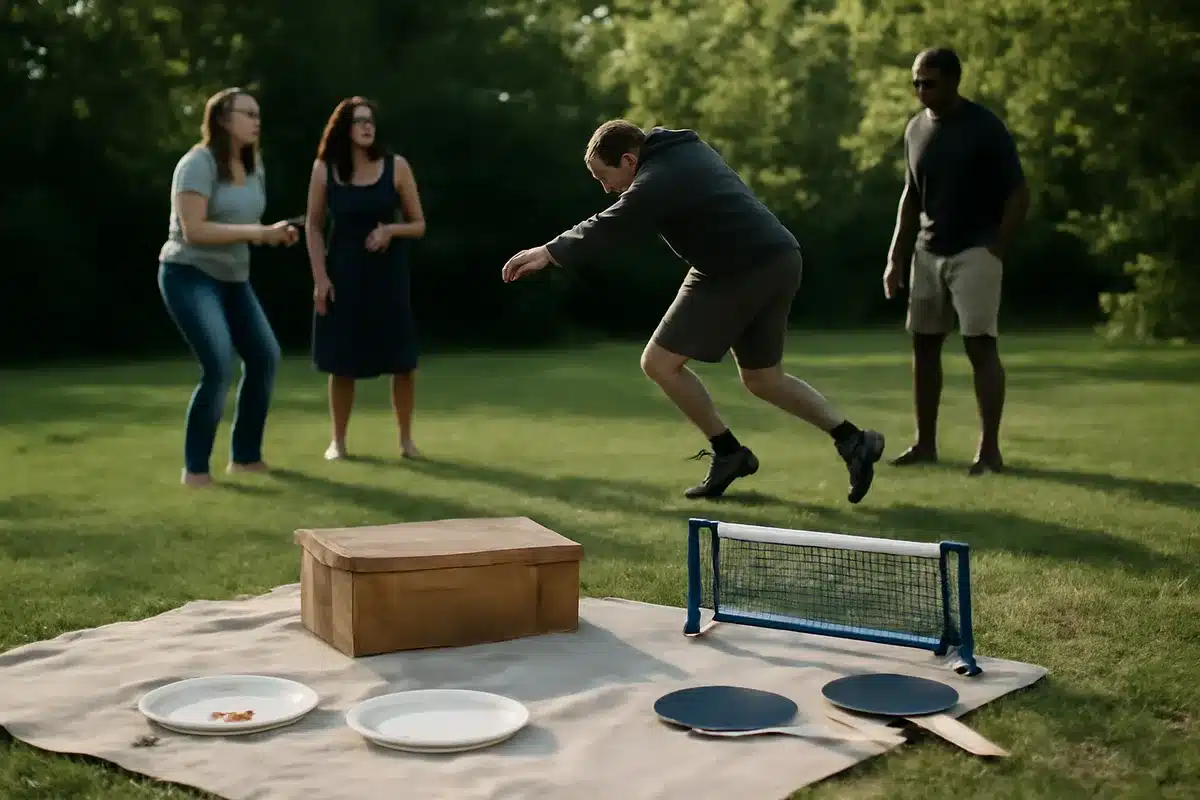
The gathering blended traditional kid-party staples with deliberately reflective elements. Guests ate a cake Judd said any 12-year-old would have thrilled over, danced, and took part in whimsical games — alongside exercises meant to address old hurts.
- Square dancing and playful movement
- A Scopes Monkey Trial true-or-false quiz as a nod to classroom memories
- Anonymous notes about middle-school embarrassments placed in a “safe jar” for others to read with empathy
- Shared laughter and lighthearted tasks designed to ease long‑held shame
Judd, an Emmy-nominated actress who has spoken publicly about her childhood and activism, said the evening was populated by “sensitive, playful people” who helped create a sense of timelessness and care she hadn’t experienced at that age.
Why she calls it a “restage”
In everyday use, to restage something is simply to set it up again. Judd expands that idea: she describes a deliberate re-creation of a memory, shaped now by adult compassion and attention. The aim, she wrote, is to supply nurturing that was absent originally — a kind of belated parental presence provided by one’s current self and close friends.
That approach involves listening to what was missing, identifying what went wrong, and supplying what should have happened — with a dose of humor and care. For Judd, it isn’t merely theatrical; it’s therapeutic.
Context from her earlier reflections
Judd has revisited this theme before: last year she threw a “field day” for her nine-year-old self. She has also said she doesn’t recall many birthdays from childhood but remembers classroom delights — science lessons on dinosaurs and geology, the mnemonic for stalactites versus stalagmites, and weeks of square dancing in physical education.
Those memories matter here because they show what she cherishes about being a child: curiosity, discovery and embodied play. When those elements weren’t supported at home, Judd’s remedy was to recreate them as an adult.
What this trend means for readers
Recreating childhood moments is more than a celebrity anecdote; it ties into broader conversations about emotional repair and communal empathy. Small, intentionally designed rituals can help people acknowledge unattended needs and normalize the awkwardness of adolescence.
Experts in mental health caution that such practices complement — but don’t replace — professional therapy when trauma or deeper issues are involved. Still, for many, restaging can be a low-barrier way to practice self-compassion.
How to try a gentle restage yourself
- Identify a specific missed moment (a birthday, school play, or a childhood hobby).
- List what would have made it feel safe and celebrated (an adult ally, time to play, acknowledgement).
- Invite a small group of trusted people who understand your intention.
- Include playful elements you loved then — music, games, food — and a brief reflective exercise, such as anonymously sharing small embarrassments to reduce shame.
- Set boundaries and decide in advance whether the event is private or something you might chart publicly.
Judd’s post, shared this week, resonated with readers who often seek tangible ways to honor their younger selves. Whether one calls it “restaging,” “re-parenting,” or simply a mindful celebration, the practice highlights how adults are inventing rituals to meet emotional needs left unmet decades earlier.
Takeaway: Restaging a childhood moment can be a deliberate, low-cost act of self-care that uses play and community to acknowledge and soothe past lacks — but it works best when paired with awareness of when to seek professional support.