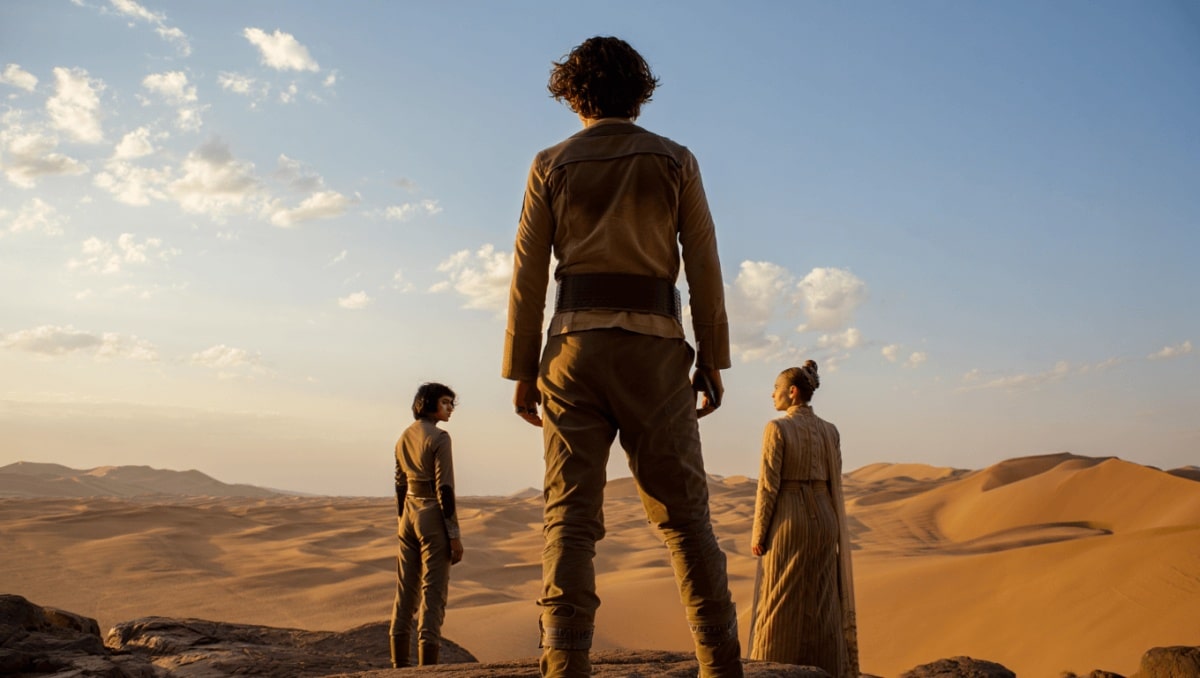
The finale of the latest Dune installment shifts the story forward by 17 years, landing the saga in a new political and personal landscape. That time jump reshapes character arcs, raises casting questions and alters the stakes for whatever comes next — and it matters because it changes how audiences will understand the series’ long game.
Villeneuve’s decision to move the narrative nearly two decades ahead is a clear pivot. The film ends on a scene that presents known figures with altered appearances and responsibilities, suggesting fresh conflicts and unexpected alliances will drive future installments. For fans, the leap reframes earlier choices by showing their consequences in a compressed, high-stakes snapshot.
Why the time jump matters now
A long leap forward is more than a cosmetic device. It affects four core areas that determine the franchise’s immediate direction and long-term viability.
– Casting and continuity: A 17-year advance often forces producers to choose between prosthetics and makeup or outright recasting, each with creative and commercial trade-offs.
– Character development: Time cuts let writers fast-forward through intervening events, but they also demand believable growth and consistent motivations.
– Narrative focus: The shift can move the story from origins to legacy — from who becomes powerful to how that power is used and resisted.
– Audience investment: Sudden jumps risk alienating viewers who expected a steady progression, while rewarding those interested in consequences rather than process.
Practical implications for the franchise
The finale’s time leap immediately raises logistical and editorial questions. If familiar faces are played by different actors, marketing and awards strategies change. If the same performers return, the production will need convincing aging work to preserve immersion.
Beyond casting, the jump redraws the story’s emotional map. Relationships that were central earlier may now be skeletal references, and new figures — born during the omitted years or risen to prominence behind the scenes — will claim the screen. That alters what viewers care about going forward: legacy and aftermath rather than origin stories.
Fan and industry reaction
Early responses from viewers are mixed but vocal. Some praise the ambition: time jumps can create a sense of scale and consequence that single-decade storytelling lacks. Others worry about losing the intimacy that defined earlier chapters. Industry observers note the move also opens opportunities for tie-ins — novels, series, or spinoffs that can fill in the missing years if the studio chooses to expand the world.
A few questions to watch
– Will key roles be recast, or will makeup and effects be used to age returning actors?
– How much of the intervening 17 years will future projects show versus leave to implication?
– Does the time jump set up a direct adaptation of later source material, or is the franchise charting a new course?
– How will this affect the film’s box office lifecycle, streaming window and ancillary products?
Looking ahead
The 17-year leap at the end of Part Three reframes the entire project as one concerned with consequence. For the creators, it’s an opportunity to explore power, inheritance and the long tail of earlier choices. For audiences, it’s an invitation — or a test — to follow the story into its next, more complicated chapter.
Whether that gamble pays off will depend on casting decisions, narrative clarity and the franchise’s willingness to supply the connective tissue audiences need. The finale makes one thing clear: the saga is no longer solely about how events began, but about who they made of the survivors.