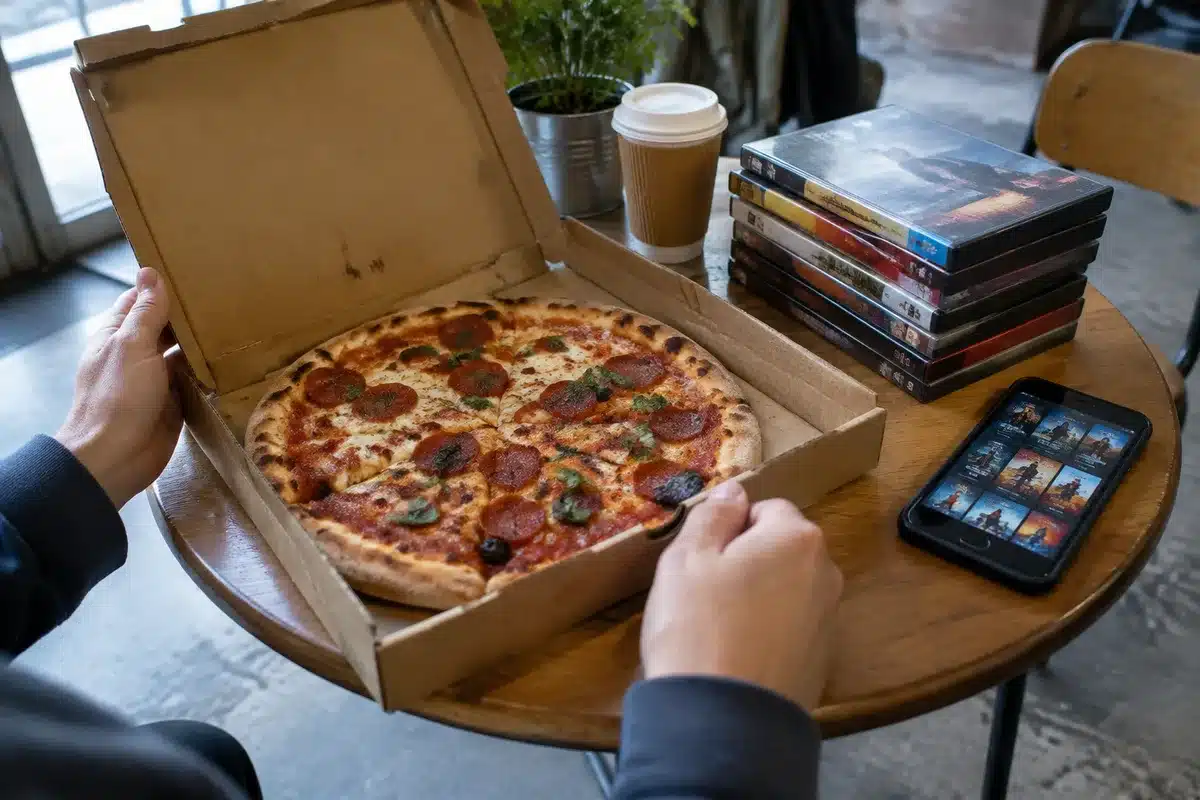
A viral quiz asking users to select films that begin with the letter P — and then claiming to guess their pizza order — has been making the rounds on social platforms this week. It’s an entertaining example of how lightweight personality games can travel fast while quietly illustrating how small choices are used to create engaging, shareable content.
How the trend works
The format is simple: participants pick a handful of movie titles starting with P from a preset list, and the quiz returns a pizza suggestion — everything from a classic Margherita to a loaded meat-lovers pie. On the surface it’s harmless fun: people enjoy comparing results and tagging friends. But the mechanics behind that entertainment are worth noting.

These quizzes rely on a mix of predetermined mappings and randomized outcomes. Some results are fixed associations (pick a specific film and receive the same pizza every time), while others incorporate light personalization: choices might steer the quiz toward options labeled “adventurous,” “comfort,” or “classic.” The goal is engagement rather than precise prediction.
Why it spreads so quickly
Short-form, sharable formats are built to thrive in feeds. The combination of pop-culture prompts — here, movies — and everyday choices like food creates an easy hook. People modestly signal their tastes by answering, then implicitly invite judgment by sharing the outcome.
That social loop is amplified by platform features such as tagging, story posts, and reply threads, which encourage friends to take part. Marketers and content creators have long used this dynamic to boost visibility without heavy promotional language.
Examples: pick a movie, get a pizza
Below are playful pairings that mirror the kind of mappings these quizzes often use. Treat them as light entertainment, not scientific profiles.

- Pulp Fiction — Spicy pepperoni with extra chili flakes (bold, a little unpredictable)
- Pan’s Labyrinth — Wild mushroom and truffle oil (earthy, adventurous)
- Parasite — Korean-style bulgogi topping (modern, globally influenced)
- Pretty Woman — Classic Margherita (timeless, crowd-pleaser)
- Point Break — BBQ chicken and red onion (high-energy, outdoorsy)
- Philadelphia — Steak and cheese-styled pizza (comfort-forward)
- Project Power — Loaded supreme (experimental, power-packed)
- Priscilla — Sweet onion, pear, and gorgonzola (theatrical, eclectic)
- Pitch Perfect — Veggie medley with pesto drizzle (social, light-hearted)
- Psycho — Plain cheese with a daring hot sauce on the side (minimalist with a twist)
What this reveals — and what it doesn’t
These quizzes reflect cultural associations more than personal truths. Linking a film to a food choice plays on stereotyped traits — for example, pairing a bold thriller with a spicy pie — but it’s not an accurate psychological assessment.
For readers, the takeaway is twofold: enjoy the social interplay, and be aware that what appears playful can still be used to map preferences. Platforms and quiz creators often collect selections to measure trends and sharpen future recommendations.
Practical advice for users
If you enjoy taking these quizzes, a few simple precautions keep the fun low-risk:
- Check what data the quiz requests before you submit answers or sign in.
- Avoid linking accounts unless you’re comfortable with profile-level access.
- Remember that results are designed to entertain — don’t treat them as definitive personality readings.
- Use the outcomes as conversation starters, not personal diagnostics.
Ultimately, a quiz that pairs movies beginning with P to pizza orders is lighthearted social content at its most viral: quick to play, easy to share, and effective at prompting reactions. It’s a reminder that simple interactions can serve both amusement and the engines of online engagement — so it’s worth enjoying them with a grain of salt and an eye on your privacy settings.