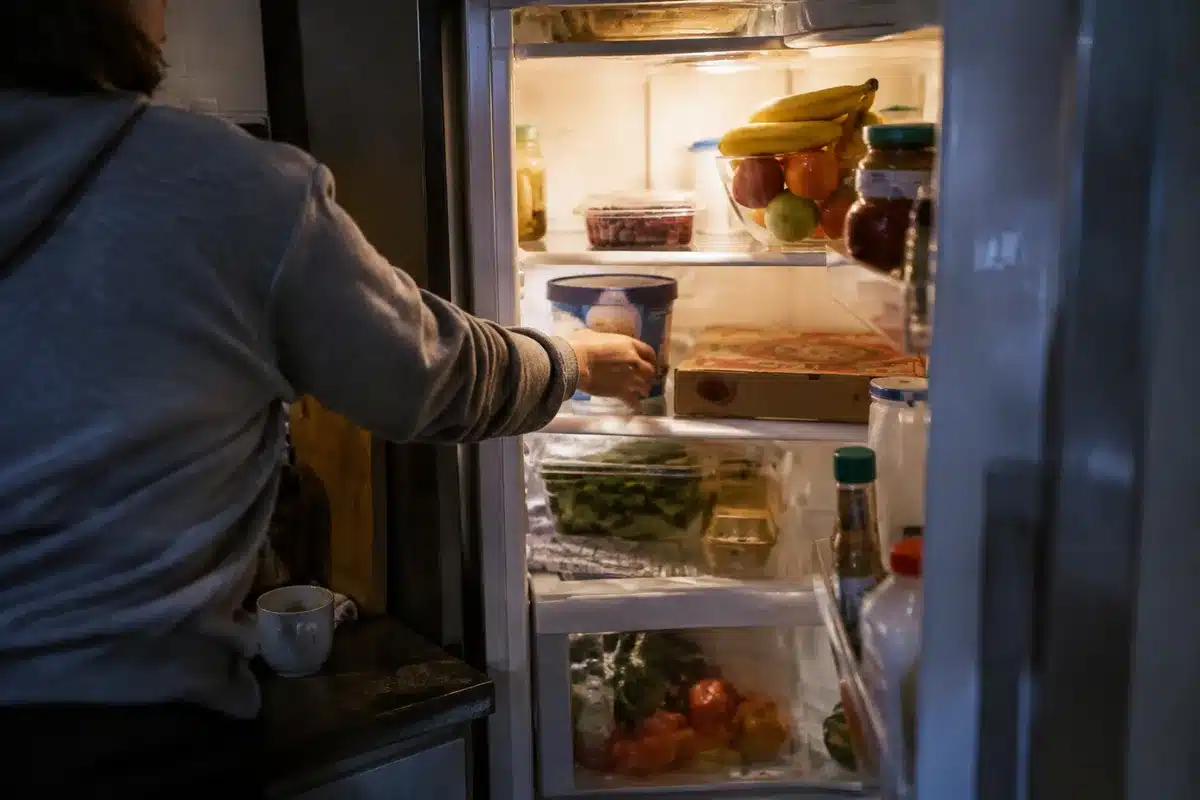
Late-night cravings can feel trivial, but the snack you reach for at midnight may reflect more than hunger—it can reveal patterns of impulse, taste and temperament. In a light but telling way, pairing common nocturnal nibbles with well-known Disney antagonists offers a playful lens on habits that matter for sleep, stress and everyday choices.
Why a midnight snack matters now
With streaming platforms cycling through classic films and new adaptations, Disney characters are back in the cultural spotlight—and so are the personality quizzes and social games that circulate alongside them. Beyond entertainment, late-night eating affects sleep quality, mood and metabolism, so understanding the impulses behind those snack runs is useful, not just fun.
Below is a compact guide linking popular midnight snacks to a handful of iconic villains. Each pairing highlights what the choice might indicate about impulse control, taste preferences and social behavior.
| Midnight Snack | Disney Villain | What it suggests |
|---|---|---|
| Ice cream straight from the tub | Ursula | Craves immediate comfort and drama; often expressive, drawn to indulgence and bold choices. |
| Cheese and crackers | Scar | Prefers control and calculation; measured, strategic—enjoys refined, deliberate treats. |
| Leftover pizza cold from the box | Aladdin’s Jafar | Practical and opportunistic; flexible with convenience, sometimes willing to bend rules to win. |
| Cookies and a glass of milk | Cruella de Vil | Stylish and indulgent with a flair for nostalgia; aesthetic matters, even in comfort food. |
| Stir-fry or leftovers reheated | Mother Gothel | Resourceful and routine-driven; values autonomy and familiar comforts that sustain long-term plans. |
| Chips and salsa | Hades | Energetic and restless; enjoys spicy, attention-grabbing flavors and quick sensory rewards. |
| Fruit or yogurt | Maleficent | Controlled and intentional; prefers restraint and choices aligned with long-term wellbeing. |
How to read the parallels
These analogies are purposely playful rather than clinical. Still, they can highlight real tendencies:
- Impulse vs. intention: Do you grab convenience or plan a lighter option? That distinction maps onto short-term reward seeking versus long-term self-management.
- Comfort vs. ritual: Some snacks soothe with nostalgia; others maintain routines. Each reveals how you cope with stress or boredom.
- Social signaling: Choices can show how much you prioritize image—even in private moments—or how comfortable you are with spontaneity.
Practical takeaways
If this mini-quiz nudged you toward self-awareness, consider a few low-effort changes that preserve pleasure while reducing negative impacts on sleep and health.
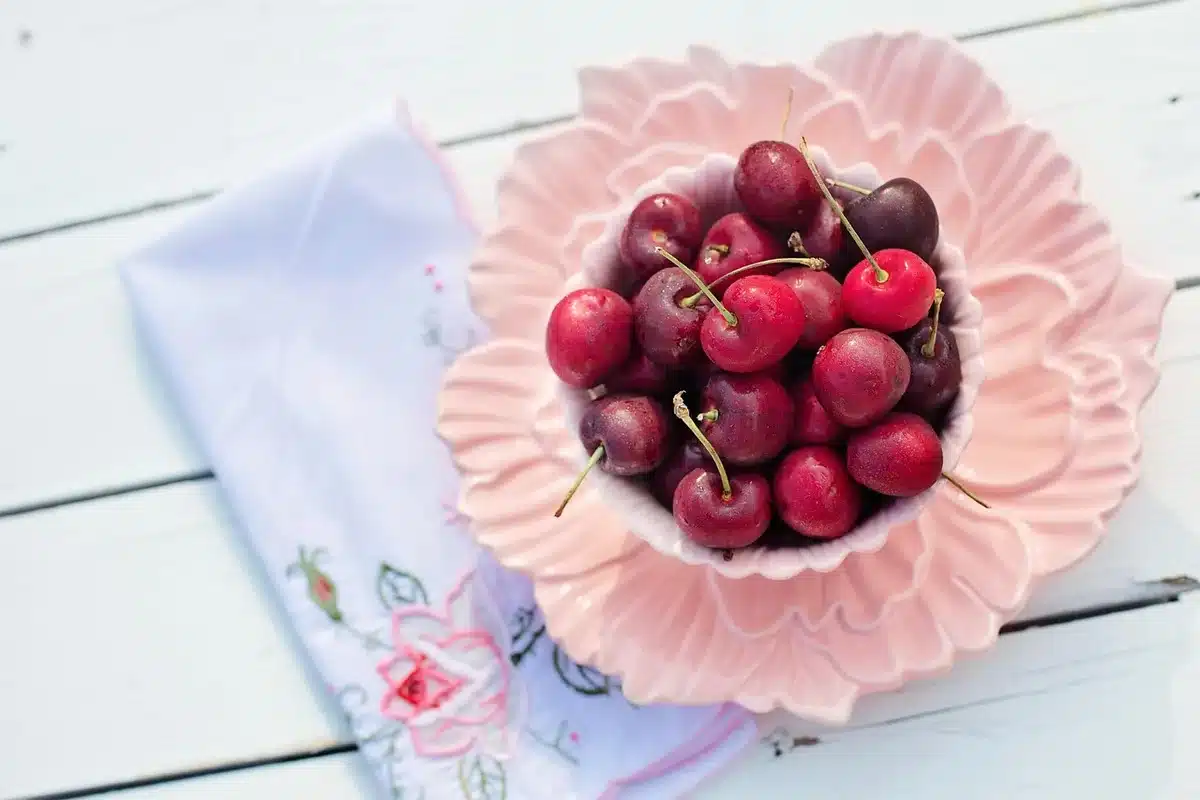
Try keeping a small selection of balanced options on hand—nuts, yogurt, fruit—or pre-portion indulgences so they don’t become full meals. For those who snack out of stress, short bedtime rituals (a warm tea, dim lighting, five minutes of breathing) can interrupt the cycle without removing enjoyment entirely.
Finally, if late-night eating is frequent and linked to mood swings or fatigue, it may be worth tracking patterns for a week and discussing them with a healthcare provider. Small adjustments can improve sleep and daytime energy, and they don’t require giving up the occasional guilty pleasure.
A cultural aside
Personality associations with fictional characters persist because stories compress recognizable human traits into memorable figures. Connecting a snack to a villain is a way to explore those traits together—socially shareable and easy to discuss. It’s a reminder that even lighthearted reflections can spark productive conversations about habits, identity and wellbeing.
So the next time you open the fridge at midnight, ask yourself what the choice says—then decide whether to lean into the role or try a new one.