
John Morgan’s new single “Cry Baby” arrives as a quietly timely study of regret — both personal and musical — born from a candid apology and finished through an unusually collaborative Nashville rescue. The song’s backstory, spanning a reflective songwriting session on April 11, 2025, and a last-minute studio scramble after a stolen hard drive, highlights how modern country songs are shaped as much by life events as by industry networks.
From a domestic moment to a song idea
The origin of “Cry Baby” came not from a clever hook in a demo bay but from a real-life exchange. Tully Kennedy, reflecting on two decades of marriage, found himself apologizing for past lapses — a private admission that stuck with him on his drive to a writing appointment on Music Row.
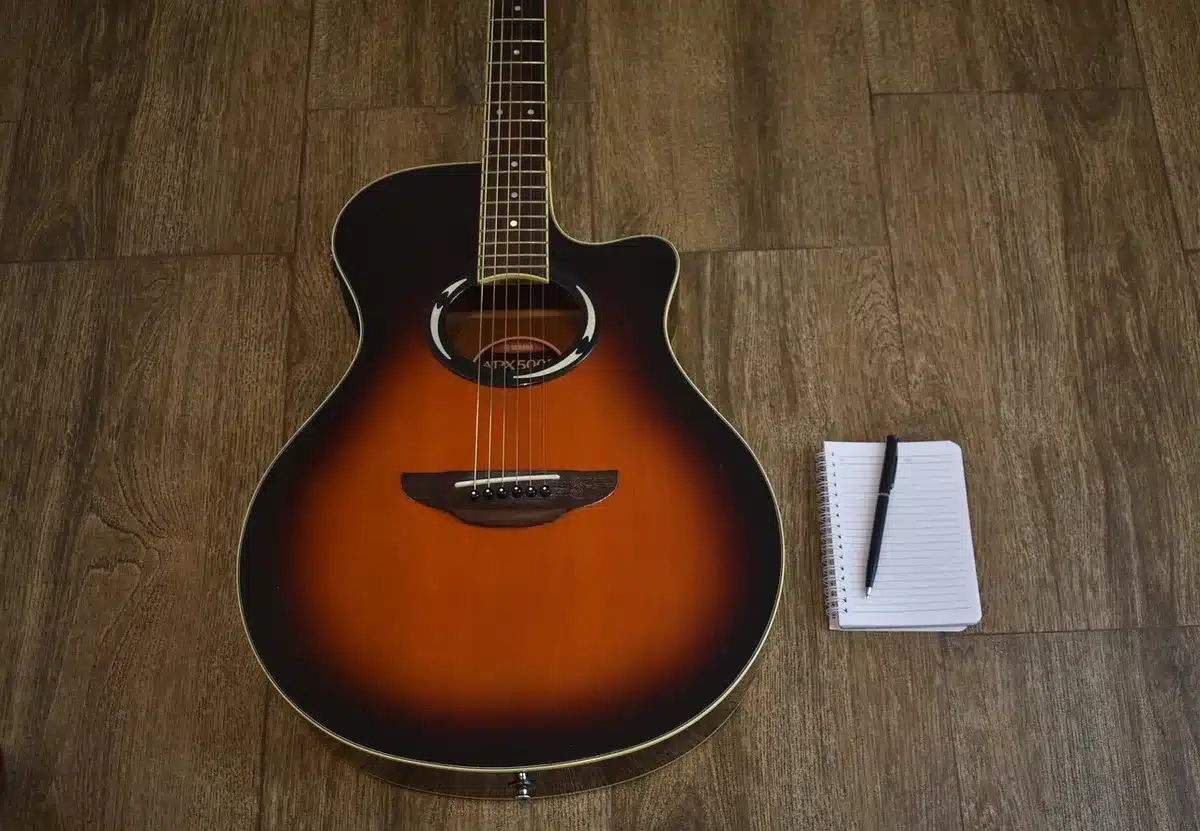
At a BMG session that day Kennedy, along with Kurt Allison and Lydia Vaughan, turned that small, apologetic phrase into the seed for a song. The collaborators connected quickly: Allison provided a moody instrumental, Vaughan responded to the title instantly, and Kennedy shaped the opening lines to sound like something a listener might mutter in the car — candid, not performative.
They built the chorus around a repeated vowel rhyme and eased the emphasis on the term “baby” so the refrain would feel singable without sounding repetitive. The narrative arc moves from confession to attempted repair, then to the bridge where the singer questions whether a fight could cost the relationship — a familiar emotional moment for many couples.
Why the song matters now
Country music has long mined domestic honesty; what gives “Cry Baby” contemporary resonance is its adult perspective. Instead of youthful bravado, the song trades on hindsight and responsibility — themes that speak to an audience aging alongside its artists. For radio program directors and listeners alike, the track’s combination of a memorable melody and relatable subject matter makes it a natural fit for today’s playlists.
- April 11, 2025 — Kennedy, Allison and Vaughan workshop the idea at BMG on Music Row.
- Following months — Demo produced with Morgan singing lead and Vaughan on harmonies; written with Jason Aldean in mind but later offered to Morgan.
- After New Year — Morgan and producer Brent Anderson begin final production, adding layered guitars and a tightened intro riff.
- Feb. 17, 2026 — Hard drive containing Vaughan’s backing vocals is stolen after Anderson’s Bluebird Café appearance; the Nashville community responds by offering studio time.
- Completion — Vaughan re-records harmonies, steel guitar and rhythm parts finalized; song prepared for radio and live promotion.
Recording, a robbery and a show of community
Once Morgan decided to record the tune — after Jason Aldean, who was considered early on, passed because he’d just completed an album — producer Brent Anderson assembled a fuller arrangement. Bassist Caleb Bates and drummer Rob Ricotta laid down the rhythm tracks, and Vaughan returned to track harmonies from the demo.
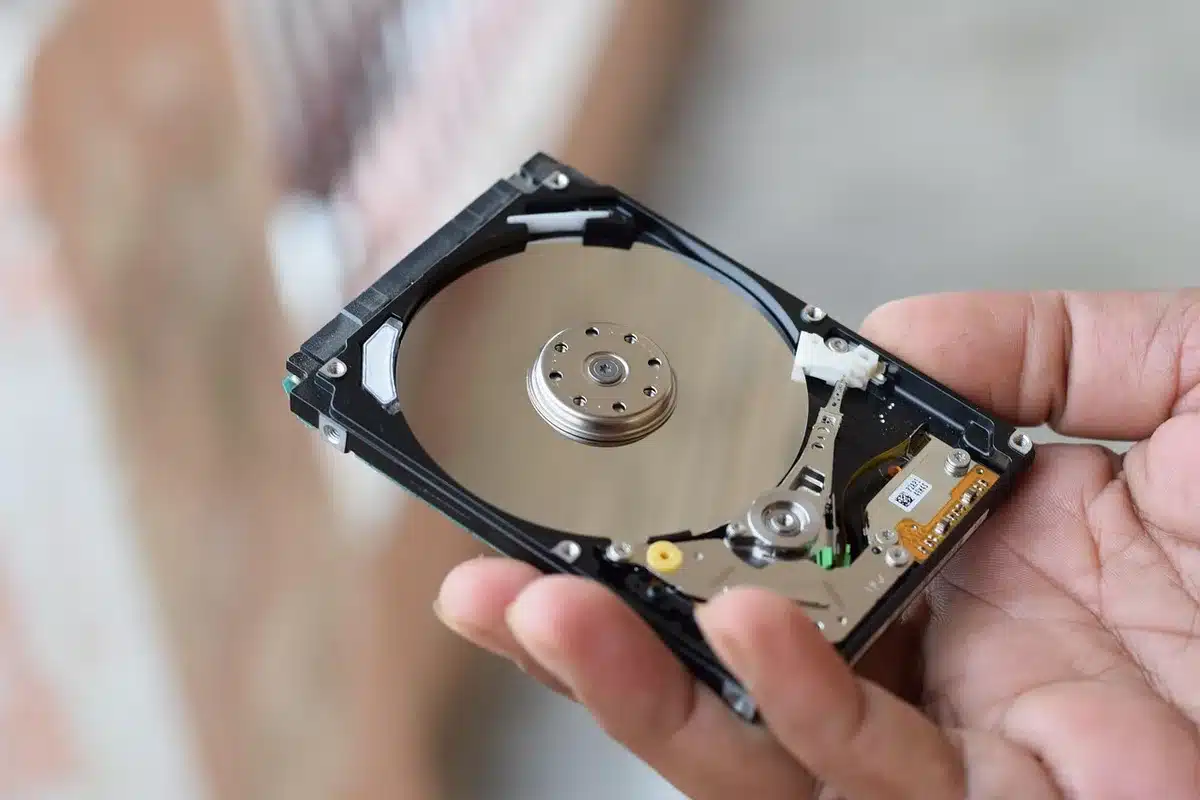
Those sessions hit an unexpected snag. Following a Bluebird Café gig, Anderson briefly left his car and discovered a backpack containing a hard drive with Vaughan’s vocal files had been taken. Rather than stalling the project, the theft prompted an outpouring from peers: four producers — Matt Dragstrem, Derek George, Derek Wells and Frank Rogers — opened their studios and equipment so the team could finish the song on schedule.
The incident underlined two things about Nashville’s creative ecosystem: first, the physical fragility of recorded work stored on single drives; and second, the depth of professional support when a project is in jeopardy. Vaughan returned to re-cut her parts — this time for the third iteration — and steel guitarist Mike Johnson added the final touch.
Melody as the hook
Morgan has said the song’s melody is its chief asset: an ear-catching line designed to linger. That tunefulness, coupled with straightforward, remorseful lyrics, was enough to convince radio programmers to give the single attention during Morgan’s promotional outreach.
Producer Anderson noted the immediate reaction from program directors during radio visits: an encouraging consensus that the song was radio-ready. For a track rooted in intimacy, that kind of broad acceptance points to a larger appetite for songs that reckon with mature relationships rather than romanticize them.
Beyond radio potential, the single’s creation and completion are a reminder that songwriting today often involves more than two or three people in a room — it can depend on a chain of collaborators, last-minute problem solving and a network willing to step in when things go wrong.
In the end, “Cry Baby” emerged from a private moment of contrition and a public demonstration of artistic community. The result is a concise, well-crafted country single that speaks to listeners who recognize that owning your mistakes is part of keeping a relationship alive.