A 55-pair matching challenge that pairs Disney protagonists with their loyal companions tests more than childhood recall — it measures how well you track franchises that keep resurfacing across parks, streaming and new releases. Whether you play solo, with family, or as a warm-up for a movie night, the exercise reveals how sidekicks shape stories and stick in memory.
How the challenge works — and why it matters now
Players are given a list of 55 central characters and a separate list of 55 companions; the task is to link each hero or villain to the correct ally, animal friend, or comic relief. Beyond nostalgia, the game highlights a simple storytelling truth: supporting characters often carry emotional weight, supply humor, and nudge plots forward.

With Disney properties constantly reappearing in new formats — from park attractions to live-action adaptations and streaming series — recognizing these partnerships helps readers spot recurring motifs and creative callbacks across decades of content.
Sample match-ups to get you started
- Aladdin — the streetwise monkey who steals scenes
- Ariel — the small but fierce crustacean who gives blunt advice
- Mulan — the trusty horse and the tiny dragon who provide both transport and comic relief
- Simba — the cuddly meerkat and warthog duo that redefine mentorship
- Hercules — the loyal satyr-like friend who brings humor
- Belle — the chipper household object who champions kindness
- Pocahontas — the animal guides who reflect the natural world
- Tiana — the tiny frog who forces a life-changing perspective
- Rapunzel — the scrappy chameleon and a roguish hero who show loyalty
- Elsa — the close familial bond that both supports and complicates the plot
Tips for scoring well
Start by grouping characters by era and genre — classic hand-drawn films often rely on animal sidekicks, while modern entries tend to pair heroes with human friends or ensemble casts. If you get stuck, think about the role the companion played: comic relief, moral compass, or plot catalyst.
- Use visual cues — animals, objects, or named human friends are common anchors.
- Recall signature moments — who was there during a climactic scene or turning point?
- Play in rounds: first match obvious pairs, then revisit harder ones with fresh eyes.
Why sidekicks matter to storytelling and audiences
Supporting characters do more than elicit laughs. They can embody themes, model friendship, and offer an accessible entry point for viewers of all ages. For franchises, standout sidekicks often become merchandising pillars and recurring faces in spin-offs or theme-park experiences.
For example, small, expressive companions can outshine leads in brand recognition because they’re easier to adapt into toys and short-form content — a practical reason studios keep investing in memorable sidekicks.
Try it at home
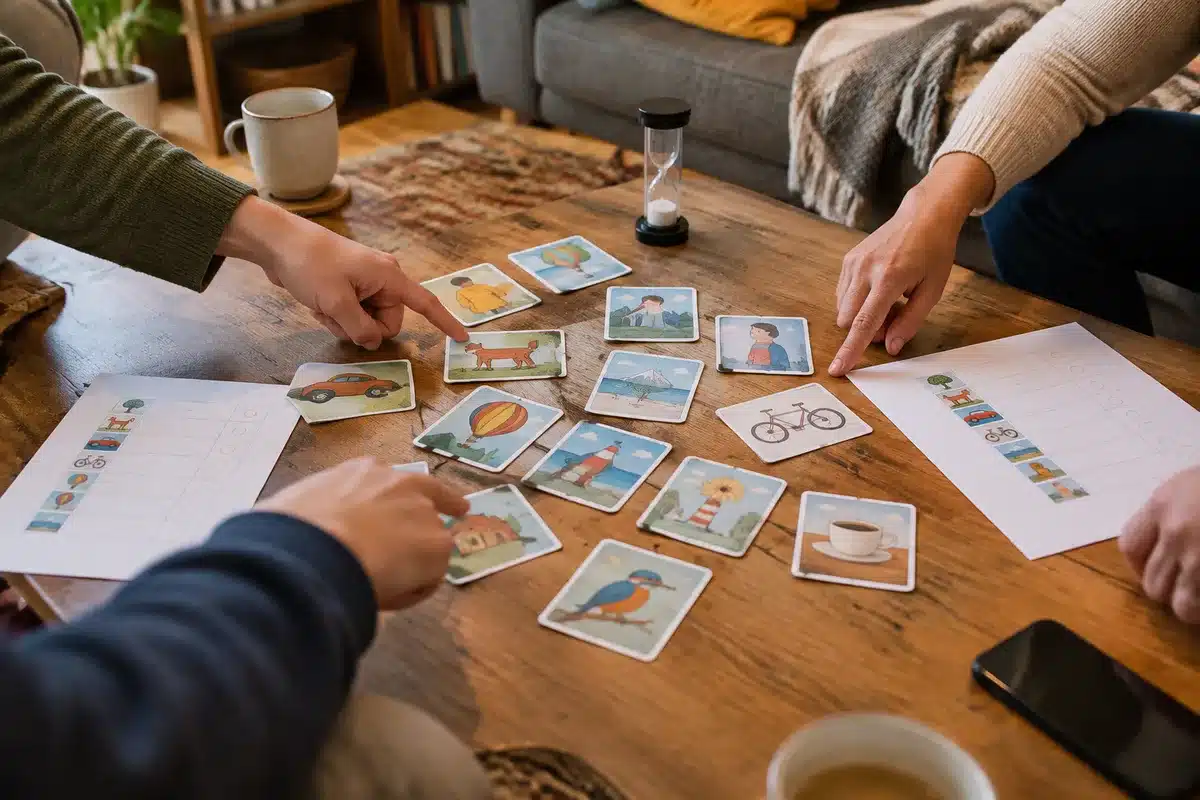
Turn the challenge into a quick living-room competition: set a timer for 10 minutes and see who matches the most pairs, or use it as a warm-up before watching an old favorite to refresh context. For educators, the quiz can be repurposed as a literacy exercise in character relationships and narrative roles.
If you enjoy the mental stretch, try creating your own 55-pair list mixing classics and recent entries — that variation makes the game fairer and more revealing about how Disney’s storytelling has evolved.
Ready to test your memory? Gather a few friends, print two lists, and see how many pairings you can name without peeking. The surprises you uncover say as much about changing tastes as they do about your own movie-watching history.