

Will Reeve, a correspondent for Good Morning America and the son of late actor Christopher Reeve, has revealed he is cancer-free after a spring diagnosis of testicular cancer. His decision to speak publicly underscores both the importance of early detection and the personal legacy of caregiving that shaped how he responded to the illness.
How it began
Reeve first noticed a small, tender lump in the shower in April. Though he initially hoped it would resolve on its own, his wife, Amanda Dubin Reeve, urged him to get checked. Medical imaging confirmed the concern and set a course of treatment in motion.

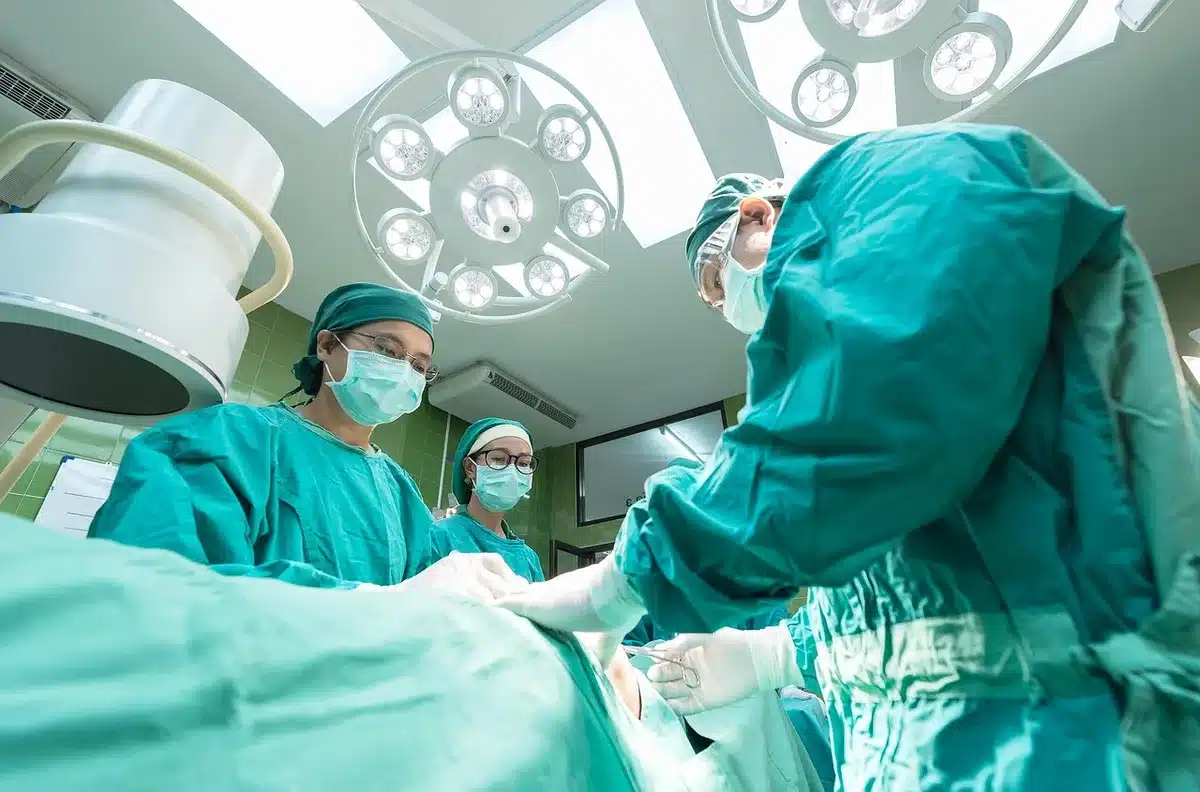
The diagnosis led to a standard surgical procedure in May to remove the affected testicle. Further tests showed the disease had reached lymph nodes in his abdomen, and in June he underwent a lengthy operation to take those nodes out.
Following surgery, Reeve completed two rounds of chemotherapy, with treatment wrapping up at the end of July. At a September 8 check-up, his doctors declared him cancer-free; he will remain under surveillance with scans and bloodwork several times a year.
Treatment timeline
- April: Lump discovered; ultrasound ordered.
- May: Orchiectomy performed to remove the cancerous testicle.
- June: Six-hour surgery to remove affected abdominal lymph nodes.
- Late July: Two rounds of chemotherapy completed.
- Sept. 8: Cleared of cancer at follow-up; ongoing monitoring planned.
Reeve reflected on how his family history informed his response. He was two when his father, Christopher Reeve, was paralyzed in a riding accident and later died in 2004; his mother, Dana Reeve, died of lung cancer in 2006. He said watching his parents confront hardship and turn it into something constructive influenced his choice to share his own experience.
Reeve also noted an emotional connection to his care: he was treated at Memorial Sloan Kettering, the same hospital that cared for his mother, and praised his colleagues at ABC and his wife for their support through the process.
What this means for others
Reeve’s case highlights several practical points for readers. Early evaluation of testicular changes raises the chance of successful treatment, and prompt medical attention can prevent delays that complicate outcomes.
- Look and feel: New lumps, swelling or persistent pain in the testicles should be medically evaluated.
- Diagnosis steps: Physicians typically use ultrasound and blood tests, followed by surgical removal when cancer is confirmed.
- Follow-up: Regular scans and bloodwork are standard after treatment to monitor for recurrence.
- Support: Caregiving and social support play a significant role in recovery and coping.
Reeve has been candid about the emotional side of treatment, saying he worried less about losing a body part than about the uncertainties around surgery and recovery. He described having to go through difficult steps but emphasized catching the disease early made a crucial difference.
Back at ABC, colleagues have supported him throughout. As he begins routine surveillance, Reeve joins a growing number of public figures choosing to make private health battles visible — a choice that can reduce stigma and prompt others to seek care.