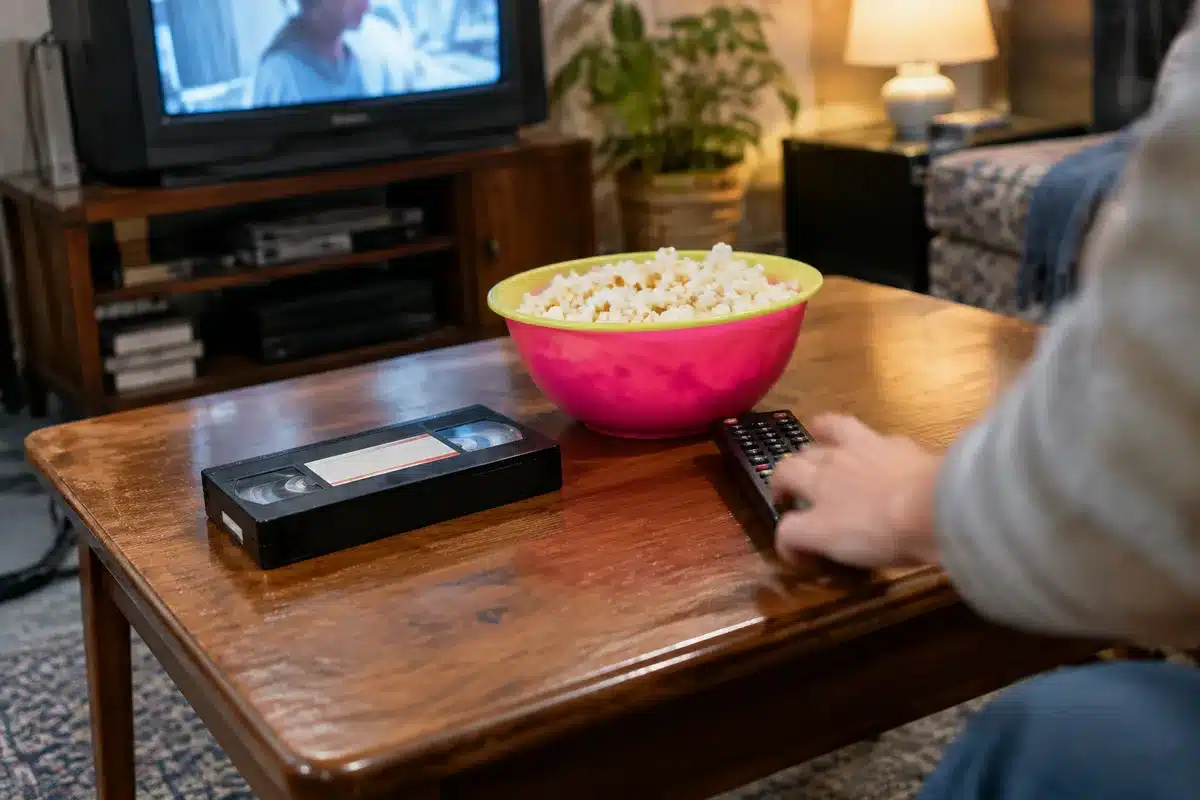
A new social-media pastime asks people to spend a day watching only films from the 1980s and promises to reveal a surprising personal detail: your favorite color. The challenge has spread across platforms as a lighthearted experiment in nostalgia, but it also exposes how memory, mood and simple associations shape the way audiences make quick judgments about themselves online.
On the surface, the game is pure entertainment: select a handful of iconic 1980s titles and see which hues come up as “matches.” But the trend matters now because it connects three timely currents—renewed interest in retro culture, the influence of algorithmic recommendation systems, and a growing appetite for bite-sized personality content that travels easily on phones.
How the 80s-movie-to-color trend works
Participants pick a small slate of 1980s films—anything from high-school comedies and neon-soaked synth-pop dramas to sci-fi blockbusters—and then share which titles they watched. Creators of the trend pair each film with a color, often based on aesthetic cues (wardrobe, lighting, poster art) or emotional tone.

There is no scientific method behind the pairings; the mappings are playful, culturally informed guesses meant to spark conversation rather than deliver a definitive personality profile. Still, the exercise is revealing about how people use media to express identity.
Why people are drawn to this kind of quiz
The appeal is partly cultural. The 1980s occupy a distinctive visual language—pastel outfits, neon signage, and cinematic lighting—that lends itself to color associations. For many users, watching these films again is an easy route to nostalgia, which in turn heightens emotional responses and strengthens associative connections between images and colors.
On a social level, the format is simple and shareable. Short lists, bold visuals and a personal reveal (a favorite color) fit the attention patterns of mobile audiences. Platforms reward this kind of content: fast consumption, clear outcomes and potential for replication across friend groups.
What the trend suggests about broader media dynamics
Beyond fun, the craze also hints at how streaming services and publishers might leverage small cultural moments. Curated retro playlists, themed bundles and algorithmic nudges that spotlight visually distinctive eras are cheap-to-produce ways to keep viewers engaged. Marketers and editors watch these micro-trends closely because they can translate into viewing spikes and social amplification.
- Color and memory: Visual cues in films—costume palettes, poster art, cinematography—act as memory anchors that viewers readily translate into color preferences.
- Content hooks: Short, repeatable challenges drive shares and create new entry points for older titles to find audiences.
- Data potential: Aggregated responses could offer, at scale, insights into regional tastes or generational differences in how certain films are perceived.
A casual guide for readers who want to try it
If you want to test the idea without relying on someone else’s chart, try this simple version at home: pick four to six 1980s films you already own or can stream in an afternoon; note the single color that first comes to mind for each title; then see which color repeats most often. Treat the result as commentary, not a verdict—this is a social ritual more than a psychological assessment.
Here are sample associations people commonly make (useful if you’re assembling a personal playlist):
- High-energy teen comedies → vivid red or hot pink (youthful, bold)
- Noir-tinged thrillers and moody dramas → deep blue or charcoal (somber, reflective)
- Sci-fi and neon-drenched urban fantasies → electric cyan or magenta (futuristic, stylized)
- Sun-soaked road movies and romcoms → warm yellow or peach (optimistic, carefree)
Where this fits in news and culture coverage
Journalists and editors track viral games like this because they illuminate how audiences interpret media and why certain formats catch on. Coverage should separate playful trends from scientific claims while explaining the cultural mechanics at work: aesthetics, social sharing patterns and the economic incentive for platforms to surface retro content.
In short, a day of 1980s movies won’t conclusively determine your favorite color, but it will reveal a lot about how you connect images to feeling—and how quickly culture-makers can convert that connection into a widespread, shareable moment.