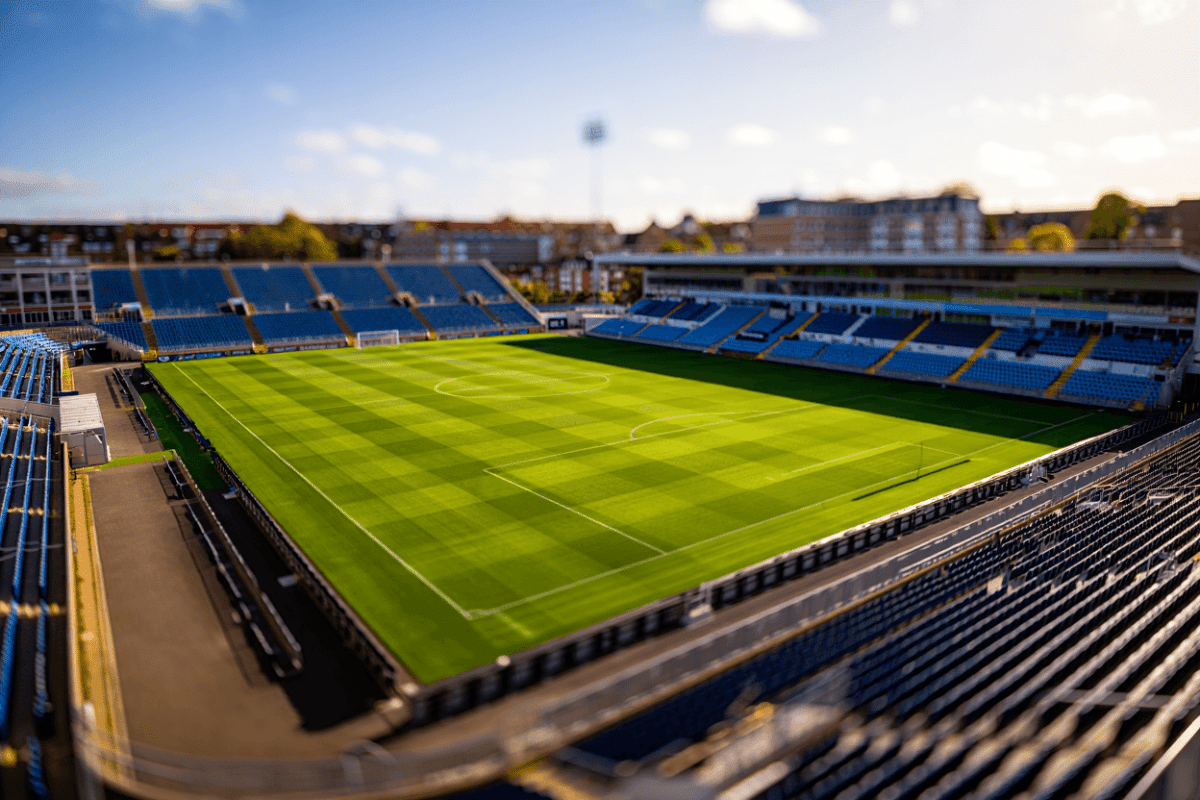
The 2026 FIFA World Cup schedule officially dropped this month, revealing the first expanded 48-team tournament across three nations. The historic expansion increases matches from 64 to 104, fundamentally reshaping international soccer. Hosts Mexico, the United States, and Canada will jointly stage the tournament from June 11 through July 19, 2026, across 16 stadiums spanning 11 U.S. cities, 3 Mexican cities, and 2 Canadian cities.
🔥 Quick Facts
- Tournament dates: June 11–July 19, 2026, spanning 39 days of international soccer across North America
- Opening match: Mexico vs. South Africa at Estadio Azteca, Mexico City, on Thursday, June 11 at 3 p.m. ET
- 104 total matches across 12 groups of 4 teams (group stage), plus 32-team knockout round (new format)
- Final venue: MetLife Stadium, East Rutherford, New Jersey, on July 19, 2026 at 3 p.m. ET
- 48-team expansion marks first-ever format change since 1998 (previously 32 teams)
A Historic Format Expansion Changes World Cup Strategy
The 2026 World Cup represents the most dramatic format overhaul in the tournament’s 96-year history. Expanding from 32 to 48 teams adds 16 additional nations to elite competition, diluting the exclusivity that historically defined the sport’s pinnacle event. This decision prioritizes inclusion and commercial reach over traditional competitive concentration. The last significant format shift occurred in 1998 France, when FIFA expanded from 24 to 32 teams, which had remained the standard for 28 years. The 2026 expansion signals FIFA’s strategic pivot toward maximizing revenue and global engagement.
For American viewers, this expansion carries profound implications. The United States hosting approximately 60% of all matches ensures unprecedented access to international soccer at grassroots and commercial levels. Mexico’s opening-match advantage—hosting the tournament opener at Estadio Azteca, one of soccer’s most iconic venues—demonstrates FIFA’s deference to tradition while modernizing competition. Canada‘s participation marks a watershed moment; the nation will host 13 matches across Toronto and Vancouver, providing domestic exposure to a sport still developing its North American footprint.
Tournament Structure: 12 Groups, 32-Team Knockout, Unprecedented Depth
Rather than the familiar 8-group format of previous World Cups, 2026 reorganizes into 12 groups of exactly 4 teams. Each nation plays three matches during the group stage—a consistent schedule for all competitors. The top two teams from each group automatically advance to the knockout round, joined by the 8 best-performing third-place finishers. This dual-advancement system means 32 of 48 teams (approximately 67%) qualify for knockout play, a historic high reflecting the expanded field.
The knockout architecture introduces unprecedented complexity. Traditionally, 16 teams entered knockout competition. Now, 32 teams will contest Round of 32 matches—a brand-new stage inserted between group play and traditional quarterfinals. This creates an extra tier of competition, extending tournament duration and revenue opportunities. FIFA has carefully structured qualifying rules to prevent one-sided scorelines that plagued previous 24-team tournaments. The best third-place advancement rule directly incentivizes competitive group play regardless of ranking.
Group stage matches occur primarily between June 11 and June 26, compressing 48 matches into 16 days. The knockout round begins June 30 with Round of 32 action, followed by Round of 16 matches in early July. The championship narrows progressively: 32 → 16 → 8 → 4 → 2 → 1 winner. This sequential elimination spans 20 days of knockout soccer, demanding each nation maintain squad depth and tactical flexibility.
Venue Distribution: 16 Stadiums Across North America
| Country | Host Cities | Number of Stadiums | Notable Venues |
| United States | Los Angeles, San Francisco, Las Vegas, Dallas, Houston, Kansas City, Atlanta, Miami, Boston, Philadelphia, New York/New Jersey | 11 | SoFi Stadium, MetLife Stadium (Final) |
| Mexico | Mexico City, Monterrey, Guadalajara | 3 | Estadio Azteca (Opening Match) |
| Canada | Toronto, Vancouver | 2 | BMO Field, BC Place |
The geographic spread creates logistical complexity unmatched by previous World Cups. Teams must travel across multiple time zones—from Pacific (PST) venues to Eastern (EST) locations spanning four to five hours of flight time. This distribution mirrors North American sports scheduling, familiar to fans accustomed to continental leagues. The United States dominates venue allocation with 11 stadiums, cementing the nation as the tournament’s de facto heart. MetLife Stadium in East Rutherford, New Jersey hosts the Final on July 19 at 3 p.m. ET, providing global prime-time exposure for the championship match.
Scheduling Impact: Group Synchronization and Tournament Rhythm
Unlike previous World Cups with staggered group matches, 2026 mandates simpler scheduling: each group’s final round matches occur simultaneously to prevent collusion. This protects competitive integrity—weakened teams cannot strategically lose to avoid stronger opponents. All 12 groups finalize simultaneously on June 26, ensuring identical contest conditions across all competitions. This synchronization fundamentally differs from 2022 Qatar, where final group matches occurred hours apart, creating strategic imbalances.
The knockout round follows a traditional single-elimination bracket. Winners advance, losers are eliminated. The Round of 32 features 16 matches, advancing 16 teams. The Round of 16 (formerly the quarterfinals in 32-team formats) features 8 matches, advancing 8 teams. Quarterfinals, semifinals, and finals complete the progression. This compression of traditional stages maintains tournament momentum while accommodating the expanded field’s mathematical requirements.
Timing advantages may favor teams with direct travel routes. CONCACAF nations benefit from regional hosting; travel distances for Mexican, U.S., and Canadian teams are substantially shorter than for European, African, or Asian delegations. This home-field advantage sentiment—playing mostly in adjacent time zones with familiar climate conditions—historically correlates with improved performance. Groups are drawn to minimize geographic clustering, balancing opportunity across all confederations.
Commercial and Logistical Implications: A Watershed for Global Soccer
The 104-match format generates unprecedented broadcast content. Each group stage match guarantees three consecutive days of scheduling—a programming goldmine for broadcasters worldwide. Fox, Telemundo, and Peacock (in the United States) will distribute all matches across linear, cable, and streaming platforms. International broadcasters gain proportional competitive advantage; extended tournament duration maximizes audience overlap across regions.
Ticketing dynamics fundamentally shift. Previous World Cups offered approximately 64 matches for global consumption. 2026‘s 104 matches create 63% more ticket inventory, flooding stadiums with competitive soccer experiences. Pricing variability ranges from $60 (cheapest group-stage seats) to $6,730 (premium final tickets), according to FIFA. This dynamic pricing model—utilizing algorithms to maximize per-match revenue—represents modern sports monetization. Capacity utilization becomes paramount; half-empty stadiums diminish atmosphere, critical for global soccer’s narrative appeal.
Infrastructure impacts extend beyond stadiums. Host nations must provision additional accommodations, transportation networks, security protocols, and healthcare systems for 48-nation delegations spanning months. Canada’s involvement requires synchronization with NHL playoff schedules (June); venue conflicts potentially force relocation of domestic events. Mexican infrastructure, particularly in Monterrey and Guadalajara, requires modernization to meet FIFA standards.
What Does This Tournament Architecture Mean for Global Soccer’s Future?
The 2026 World Cup schedule represents more than fixture listings—it embodies FIFA‘s strategic assertion that soccer’s future lies in maximizing participation and commercial reach. By expanding to 48 teams, the organization democratizes elite competition, permitting historically excluded federations to qualify. Yet this expansion simultaneously dilutes competitive concentration; defending champions face substantially easier paths to advancement given increased qualification slots.
Will this format persist? FIFA has committed to the 48-team model for 2030 as well, signaling long-term institutional preference. However, traditional soccer nations—Germany, France, Spain, and Brazil—have expressed private reservations about expanded formats. Economically, smaller confederations gain broadcasting leverage; commercially, larger markets gain inventory volume. This tension between inclusivity and competitiveness will shape soccer governance for decades.
For American audiences, the schedule offers unprecedented opportunity. 88 of 104 matches occur in convenient time zones; extensive U.S. participation in hosting ensures accessibility. The 2026 World Cup may represent a pivotal moment when international soccer achieves mainstream relevance in North America—not as novelty, but as established entertainment infrastructure.
Sources
- FIFA.com — Official tournament schedule, group assignments, and venue specifications
- Yahoo Sports — Comprehensive match schedule with time conversions and updated qualifying information
- ESPN Soccer — Format explanation, knockout stage brackets, and statistical context
- Wikipedia (2026 FIFA World Cup) — Historical tournament context, expansion rationale, and administrative details
- MetLife Stadium Official — Final venue details, event dates, parking, and ticketing information