Steven Soderbergh‘s documentary “John Lennon: The Last Interview” premiered at the 2026 Cannes Film Festival (May 12-23, 2026), capturing the final in-depth conversation the Beatles legend gave on December 8, 1980—hours before his assassination. The film transforms a KFRC radio interview into an intimate portrait of Lennon’s artistic vision and personal reflections on music, fatherhood, and legacy, making it one of the most historically significant documentary releases of the year.
🔥 Quick Facts
- Interview recorded December 8, 1980 by San Francisco’s KFRC radio station in the Dakota apartment
- 79th Cannes Film Festival world premiere on May 15, 2026
- Steven Soderbergh directed; features archival footage, music, and digitally restored visuals
- Rotten Tomatoes: 59%; mixed critical reception regarding AI-generated imagery
- Soderbergh used Meta AI tools for approximately 10% of visual content
Historical Context: A Moment Frozen in Time
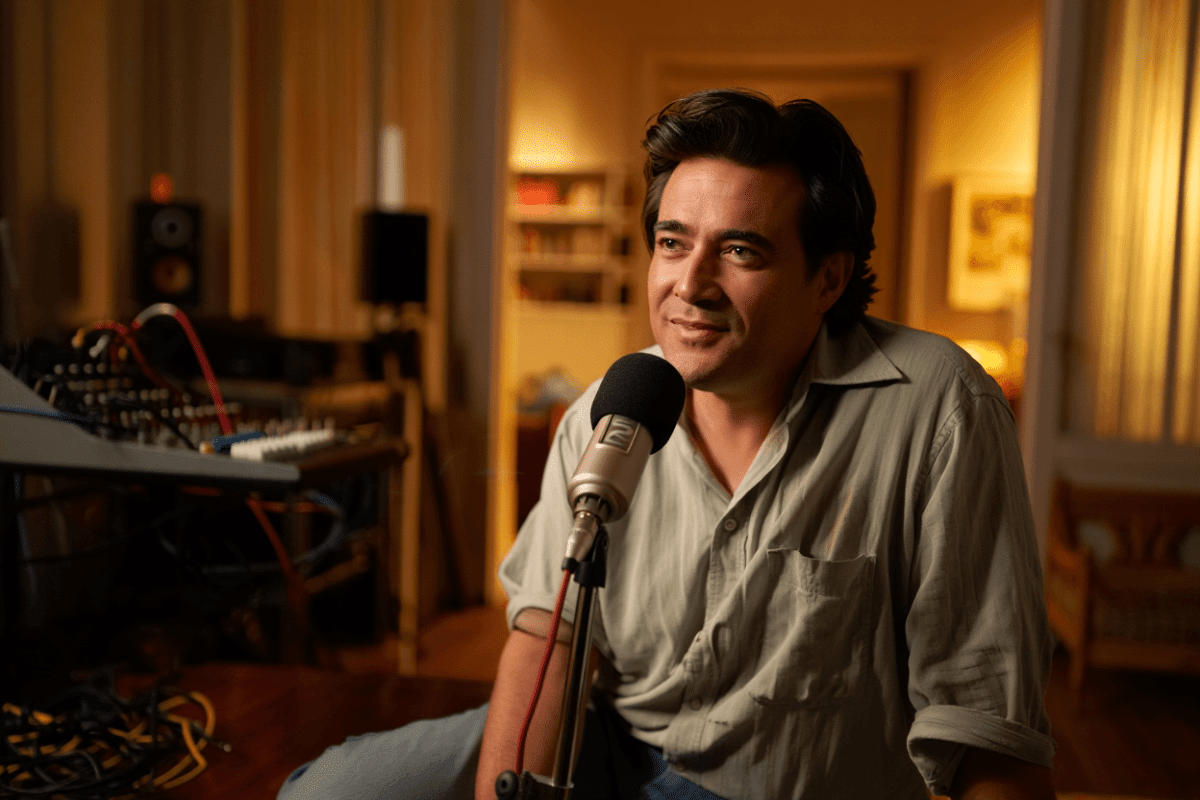
John Lennon was just 40 years old when KFRC radio reporters Dave Sholin, Ron Hummel, Laurie Kaye, and Bert Keane conducted their interview at his and Yoko Ono‘s residence in Manhattan’s Dakota building. The conversation was intended as a promotional interview for “Double Fantasy,” the album Lennon had just released after a five-year hiatus from recording. What made this exchange extraordinary was not merely its timing—occurring hours before Mark David Chapman‘s fatal shooting—but the candid, hopeful mood it captured. Lennon discussed his creative renewal, his role as a father to Sean, and his philosophical outlook on life with disarming optimism.
For decades, this audio documentation remained fragmented across various formats and archival sources. Soderbergh‘s documentary presents the nearly complete interview for the first time in a fully restored, comprehensive format, bringing historical accuracy and emotional depth to one of rock music’s most poignant final moments.
Soderbergh’s Directorial Approach: Blending Archive and Innovation
Steven Soderbergh, who has directed 33 feature films with worldwide grosses exceeding $2.2 billion, applies his signature minimalist aesthetic to documentary filmmaking. His work spans from the Ocean’s franchise to intimate character studies, and frequently serves as his own cinematographer under the pseudonym “Peter Andrews.” For “John Lennon: The Last Interview,” Soderbergh employs archival photographs, period music, animation, and audio restoration to visualize Lennon’s words.
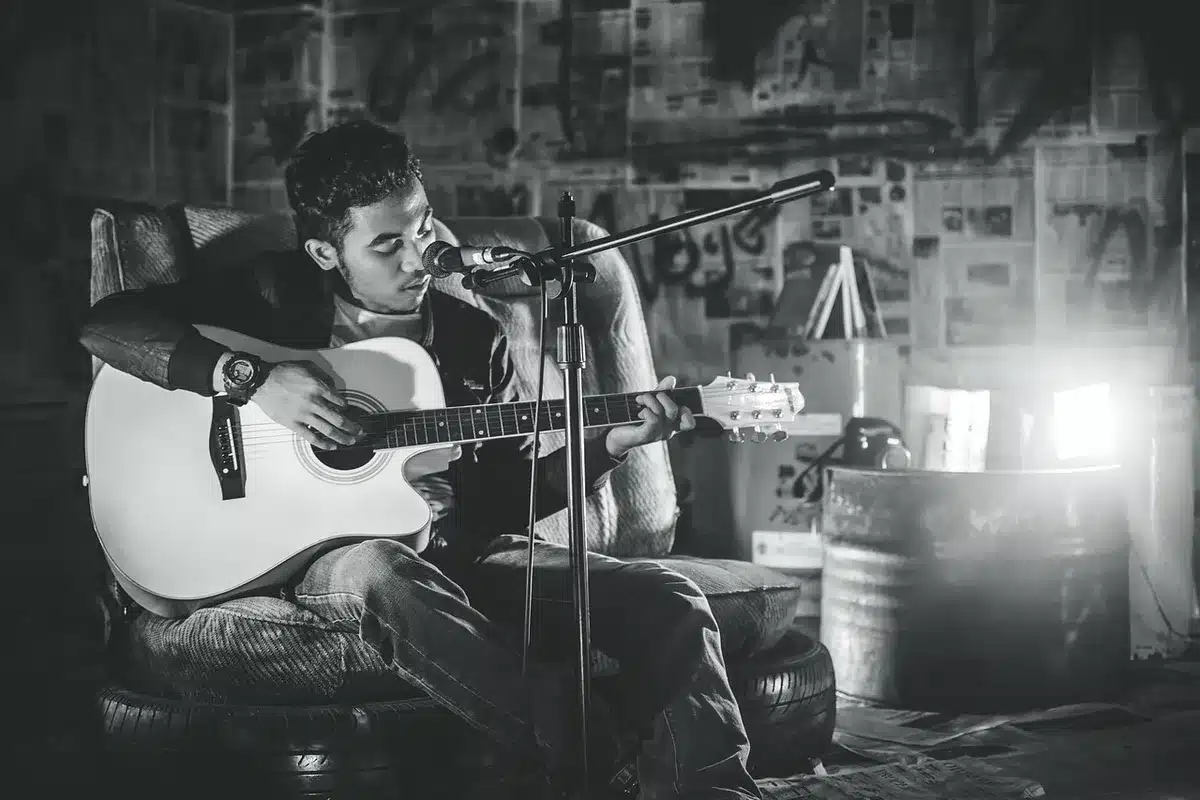
The documentary notably incorporates generative AI imagery created with Meta’s tools, which comprises roughly 10% of the film’s visual composition. Soderbergh has publicly defended this choice as an extension of his exploratory approach to filmmaking technology. The director stated that AI-generated visuals serve as conceptual illustrations rather than documentary evidence, allowing viewers to visualize Lennon’s emotional landscape during the final hours of his life.
This stylistic choice has proven polarizing. Critics like those at The Guardian and Paste Magazine characterized the AI elements as distracting and “egregious,” undermining the documentary’s intimate power. Others acknowledged the film’s emotional core while questioning whether visual embellishment added necessary context to such historically significant audio.
Content and Themes: Music, Philosophy, and Life
The interview spans multiple substantive topics reflecting Lennon‘s state of mind in late 1980. He discusses his reasons for stepping back from the music industry for five years, his creative partnership with Yoko Ono, and his evolving perspective on fame and artistic responsibility. Lennon addresses his role as a parent, speaking candidly about fatherhood and his hopes for his children’s futures. He reflects on The Beatles‘ legacy and his solo career trajectory, offering insights into the creative processes behind his most influential work.
A connecting theme throughout the conversation is Lennon‘s optimism. Rather than dwelling on past conflicts or regrets, he expresses enthusiasm about his artistic direction and personal growth. This tonal quality—direct, warm, and forward-looking—distinguishes the interview from the more combative public persona some associated with Lennon during earlier decades. The documentary’s strength lies in capturing this humanizing portrait, grounding legendary status in recognizably human concerns.
Critical Reception and Industry Response
| Outlet | Score | Key Observation |
| Rotten Tomatoes (Critics) | 59% | Mixed reviews; core content praised, AI imagery criticized |
| The Guardian (May 17, 2026) | Negative | “Bland AI clipshow” undermines documentary power |
| Variety (May 15, 2026) | Mixed | Upbeat tone captured; technical execution questioned |
| Time Magazine (May 16, 2026) | Mixed | “Undercuts insights” with AI visual decisions |
| IMDB User Ratings | 4.9/10 (20 ratings) | Audience skepticism toward AI integration |
The documentary achieved notable distribution interest following its Cannes premiere. Variety reported in May 2026 that Soderbergh‘s film launched international sales with 193 territories seeking distribution rights, a significant testament to global interest in Lennon archival content. However, the mixed response reflects broader conversations about AI transparency in documentary filmmaking and whether generative imagery belongs in historical records.
“John Lennon: The Last Interview captures an extraordinary and intimate moment in music history – the final in-depth conversation John Lennon ever gave.”
— Official Cannes Film Festival Description, May 2026
What This Documentary Reveals About Lennon’s Final Chapter
Beyond the technological debates surrounding its execution, “John Lennon: The Last Interview” serves as a crucial historical document. For music historians and Beatles scholars, the nearly complete, restored interview provides unprecedented access to Lennon‘s unfiltered reflections during his creative renaissance. The audio, recorded in intimate setting with minimal editing, offers a counterpoint to curated public statements and press materials that typically shaped Lennon‘s public image.
The documentary underscores a paradox: Lennon was at a personal and creative peak when violence interrupted his narrative. Unlike retrospective interviews where artists assign meaning to past events, this conversation captures real-time thinking, uncertainty, and ambition. Soderbergh‘s framing device—acknowledging the interview’s tragic coda without exploiting it—honors both the content and the historical weight the recording now carries.
For U.S. audiences specifically, the film arrives during a broader cultural reassessment of Beatles legacy, with related music documentaries gaining festival attention simultaneously.
What Happens Next: Distribution and Cultural Impact?
“John Lennon: The Last Interview” remains in active distribution negotiations as of late May 2026. Soderbergh is seeking U.S. theatrical or streaming distribution, with Cannes exposure significantly raising its profile. Industry observers expect either a significant streaming platform or independent distributor to acquire rights within months. The documentary’s commercial viability hinges on balancing its historical importance against audience sensitivity regarding AI imagery in documentary contexts.
The film’s reception may also influence future filmmaker decisions about transparency in AI-assisted documentary work. Soderbergh‘s willingness to discuss and defend his technical choices—rather than obscuring them—sets precedent for documentary ethics moving forward. Whether audiences embrace or reject this approach will likely shape industry standards for archival restoration and AI visualization in historical documentaries going forward.
Will “The Last Interview” Become Essential Viewing for Music History?
Despite mixed critical reception, the documentary addresses a fundamental hunger: direct access to John Lennon‘s voice and perspective at a pivotal moment. No amount of technical discussion can diminish what the core content offers—40 hours of unreleased audio footage restored and contextualized for contemporary audiences. As Soderbergh‘s other documentary work demonstrates, his interest in historical figures often transcends conventional biography, favoring intimate portraiture over comprehensive chronology. Whether viewers ultimately value the interview’s content over its visual presentation will determine the film’s lasting cultural significance.
Sources
- Cannes Film Festival Official – World premiere details and festival context
- The Guardian (May 17, 2026) – Critical review and technical assessment
- Variety (May 14-15, 2026) – Distribution news and industry response
- Time Magazine (May 16, 2026) – Critical analysis of documentary approach
- People Magazine (May 18, 2026) – Interview context and historical background
- Vanity Fair (May 21, 2026) – Soderbergh’s defense of AI implementation
- IMDb – Audience ratings and user reception data
- Rotten Tomatoes – Aggregated critical scores