The Freedom 250 concert series, scheduled for the Great American State Fair in Washington, D.C. from June 25 to July 10, has experienced a significant collapse in its original lineup. At least five major musical acts—including Bret Michaels, The Commodores, Morris Day & The Time, Martina McBride, and Young MC—have withdrawn over the past three days. In response, President Donald Trump announced his willingness to perform at the opening ceremony on June 24, offering to headline the event himself after artists cited concerns about the event’s political nature and reported misleading marketing claims.
🔥 Quick Facts
- Five of nine headliners have withdrawn from the Freedom 250 concert series as of May 31, 2026
- Bret Michaels, The Commodores, Morris Day & The Time, Martina McBride, and Young MC cited concerns about the event’s Trump administration ties
- Trump announced he would replace withdrawn artists by performing himself at the June 24 opening ceremony
- Remaining confirmed performers include Vanilla Ice, Flo Rida, Fab Morvan of Milli Vanilli, and Freedom Williams
- The Great American State Fair spans June 25 to July 10 on the National Mall
Understanding the Freedom 250 Concert Series and Its Purpose
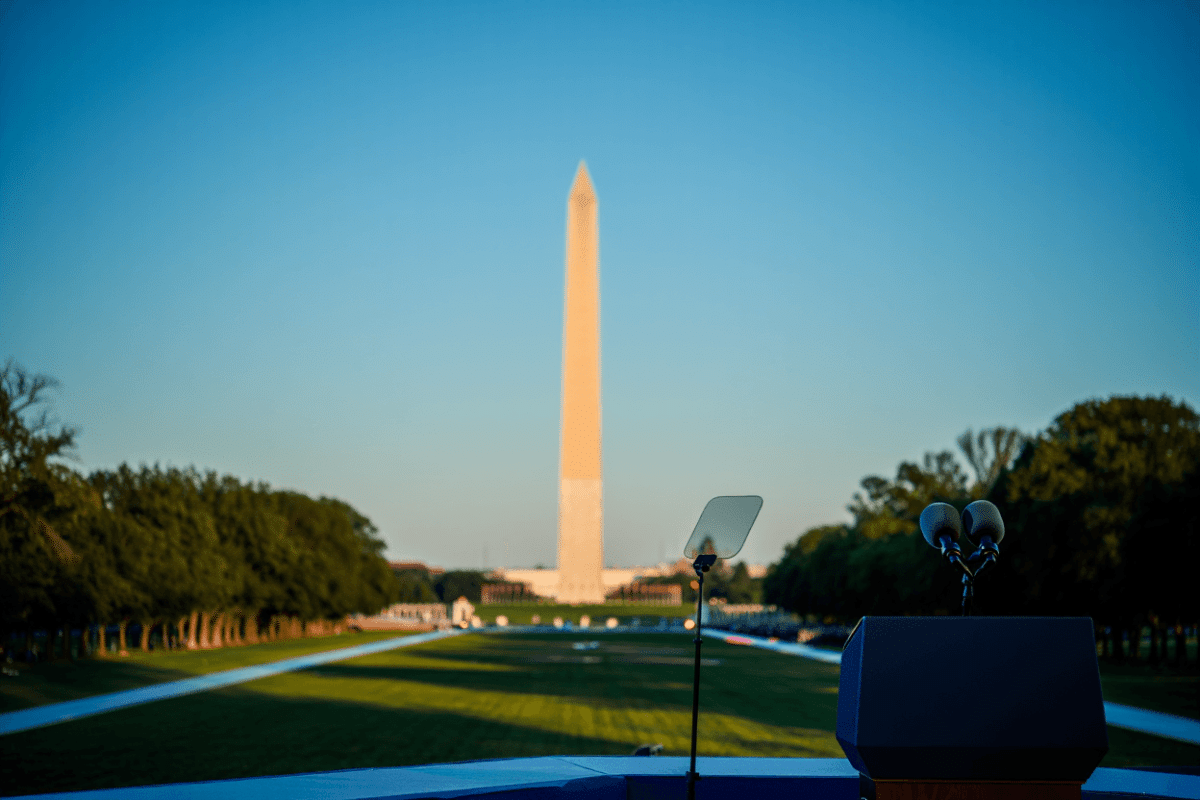
The Freedom 250 concert series emerged as part of a broader celebration honoring America’s 250th anniversary. Originally positioned as a patriotic music event featuring 1980s and 1990s nostalgia artists, the concerts were designed to serve as the ceremonial opening for The Great American State Fair, a 16-day exposition spanning the National Mall from the Capitol to the Washington Monument. The series was announced with significant fanfare, promoting a lineup that organizers described as celebrating American cultural heritage through established hitmakers from multiple decades.
President Trump’s administration authorized and publicized the event as a centerpiece of the nation’s semiquincentennial celebrations, distinguishing it from other official commemoration events happening throughout 2026. The stated purpose was to blend patriotic themes with live entertainment, targeting both cultural enthusiasm and broadcast viewership for what appeared to be a high-profile moment on the national calendar.
The Artist Exodus: Timeline and Stated Reasons
The mass withdrawal of performers occurred over a 48-hour window starting May 28. The exodus accelerated after multiple artists publicly cited concerns that the event’s political affiliation with the Trump administration had been downplayed or misrepresented during initial recruitment discussions. Martina McBride, a country music veteran, publicly stated she declined participation to avoid being perceived as taking a political stance. Morris Day & The Time, funk legends with deep roots in the 1980s Minneapolis sound, similarly withdrew. The Commodores, the legendary soul band, also announced their departure.
According to reporting from NBC, CNN, and NPR, artists reported they were misled about the nature of the event or discovered during preparation discussions that the concert had been positioned as a Trump administration initiative rather than a purely cultural commemoration. This mismatch between initial promotional materials and the revealed political context drove the decisions. The remaining performers—Vanilla Ice, Flo Rida, Fab Morvan of Milli Vanilli, and Freedom Williams of C+C Music Factory—represent a substantial reduction in star power and audience draw compared to the original slate. By May 30, the official lineup had been gutted: five of nine announced headliners had exited, leaving organizers scrambling for solutions.
Trump’s Response and Offer to Perform
On May 30, 2026, shortly after learning of the mass withdrawals, President Trump announced through multiple channels that he would personally headline the opening ceremony to replace departed acts. In a statement characterized by criticism of the withdrawing artists, Trump described them as “third-rate” performers and suggested that his own participation would exceed the entertainment value of the original lineup. According to reports from Reuters, CNBC, and DW, Trump also considered an alternative approach: replacing the entire concert component of the opening ceremony with a MAGA rally-format event, fundamentally altering the nature of what had been billed as a cultural celebration.
The announcement came amid broader frustration within Trump’s campaign and administrative circles regarding what they characterized as anti-Trump sentiment in the entertainment industry. Trump’s media team emphasized that the president’s draw and popularity would command a larger audience than the original talent roster, framing his personal involvement as an enhancement rather than a fallback position. By May 31, the proposal remained under review, with final decisions pending regarding whether the June 24 opening would feature Trump performing, delivering a speech, or overseeing a political rally format.
Industry Context and the Politicization Debate
| Withdrawn Artist | Genre/Era | Stated Reason |
| Bret Michaels | Rock (1980s-90s) | Political affiliation concerns |
| The Commodores | Soul/Funk (1970s-80s) | Misled about event nature |
| Morris Day & The Time | Funk (1980s) | Political positioning |
| Martina McBride | Country (1990s-present) | Avoiding political appearance |
| Young MC | Hip-hop (1980s-90s) | Event’s Trump administration ties |
This situation reflects broader tensions within the entertainment industry regarding artist participation in government-sponsored or politically-affiliated events. The controversy underscores a practical dilemma faced by legacy performers from the 1980s and 1990s: balancing financial opportunity and cultural relevance against the perceived political cost of association with specific administrations. The Freedom 250 scenario represents a rare case where artists withdrew publicly and collectively, signaling their preference for brand protection over event participation fees.
Music industry analysts have noted that such departures carry professional consequences for event organizers, who lose not only the original talent but also the cultural authority those acts provided. The remaining performers—generally less commercially dominant than the withdrawn artists—will now carry the entire entertainment responsibility for an event that was designed to be a marquee 250th anniversary tribute.
“Several announced acts have said that they don’t plan to perform given the perceived politicization of the event.”
— TIME magazine, May 29, 2026
What Happens Next: Competing Scenarios for the June 24 Opening
Three possible scenarios appear to be under consideration for the Great American State Fair’s official opening ceremony. First, Trump could deliver a traditional speech and participation at a concert-format event featuring the remaining four performers. Second, the event could shift to a Trump rally format, replacing the musical emphasis with a political gathering. Third, organizers could further expand the search for replacement performers, though time constraints make this challenging with the opening just 25 days away from May 31.
Each option carries different implications for how the 250th anniversary celebration will be perceived nationally. A traditional concert-plus-speech format could salvage the cultural positioning originally intended. A rally format would openly acknowledge the event’s political nature, shifting audience expectations. A hastily-assembled replacement lineup risks further credibility damage if additional high-profile withdrawals occur.
The Washington Post reported that Trump’s advisers moved quickly to organize alternative programming, suggesting that the administration views the opening ceremony as a significant enough event to justify investment in contingency planning. However, the underlying issue—artist reluctance to associate with the Trump administration’s political brand—may prove difficult to overcome regardless of format changes.
Will the Freedom 250 Series Set a New Precedent for Artist Politics?
The Freedom 250 collapse raises questions about how entertainer-government relationships will function moving forward, particularly when events attempt to blend cultural celebration with political identity. Unlike past anniversary concerts that operated with bipartisan support or depoliticized cultural framing, this event was immediately identified with Trump’s administration, creating the perception of a partisan event marketed with cultural language.
Industry observers are watching whether this development encourages more artists to actively vet political involvement before agreeing to performances, or whether the Freedom 250 situation remains an outlier driven by unique circumstances. The scale of the withdrawal—five major acts in 48 hours—stands out in entertainment industry history for government-sponsored events.
Sources
- NBC Washington – Artist withdrawal announcements and Trump administration responses, May 29-31, 2026
- CNN – Coverage of the concert series meltdown and Trump’s proposed participation, May 29-30, 2026
- Reuters – Breaking news on Trump’s plans to headline the Great American State Fair, May 30, 2026
- CNBC – Analysis of Trump’s offer to perform and organizational challenges, May 30, 2026
- NPR – Artist perspective on politicization concerns and withdrawal reasons, May 29, 2026
- AP News – Comprehensive timeline of artist cancellations and official statements, May 29, 2026
- TIME magazine – Commentary on perceived politicization of the Freedom 250 event, May 29, 2026
- The Washington Post – Trump administration contingency planning and alternative event scenarios, May 30, 2026
- DW.com – International perspective on Trump’s characterization of withdrawn artists, May 31, 2026