Backrooms, the psychological horror film from YouTuber-turned-director Kane Parsons, opened to a record-breaking $85M-$89M at the domestic box office this weekend, shattering A24’s all-time opening weekend record. The film, which premiered May 29, 2026, represents a historic moment for the indie studio—made on just a $10 million budget, the movie earned back its entire production cost in Thursday previews alone, signaling exceptional audience appetite for liminal space horror.
🔥 Quick Facts
- Opening weekend forecast reaches $85M-$89M, triple A24’s previous record
- $38.4 million earned on Friday alone, with $10.4M from Thursday previews
- $10 million production budget recovered before opening day concluded
- Starring Chiwetel Ejiofor and Renate Reinsve, directed by Kane Parsons
- First theatrical adaptation of viral liminal space internet phenomenon
From Internet Creepypasta to Mainstream Horror: The Backrooms Origin Story
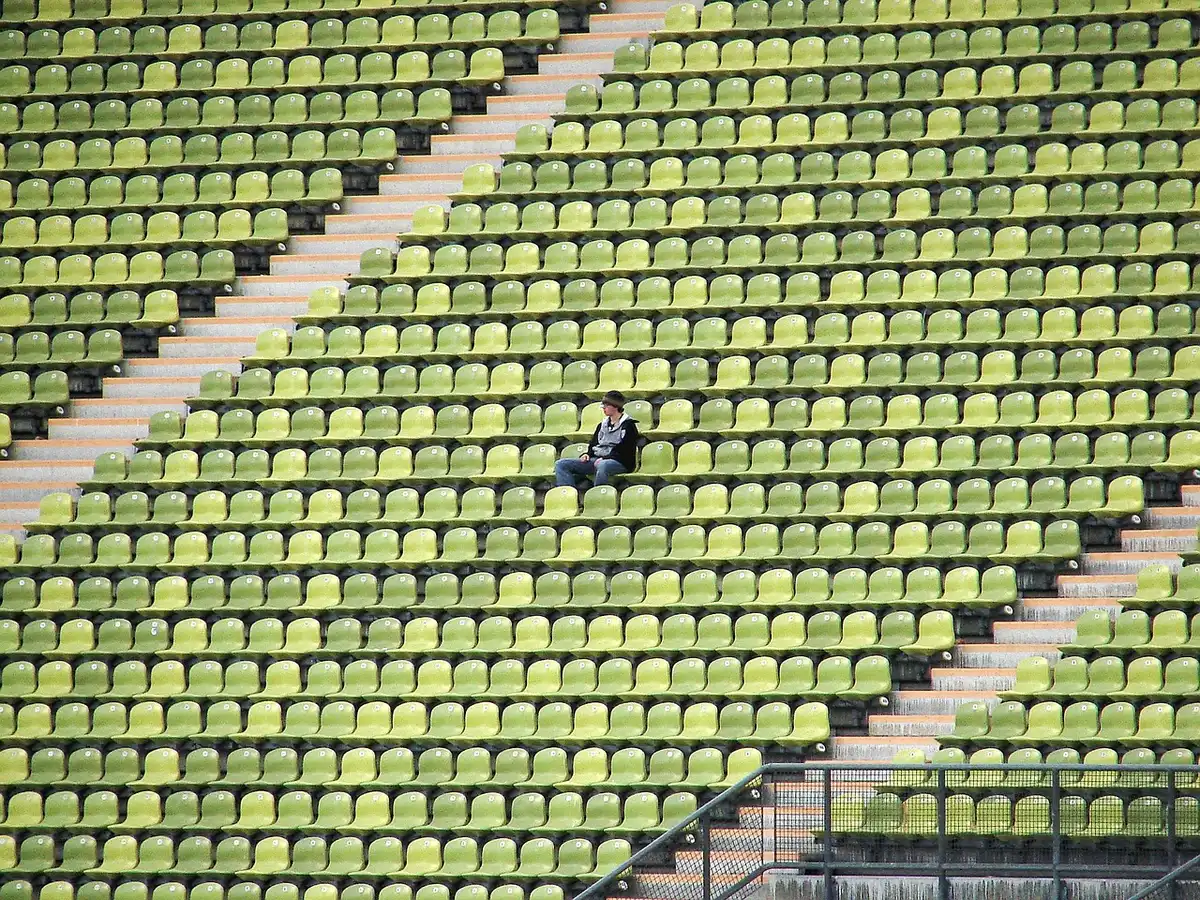
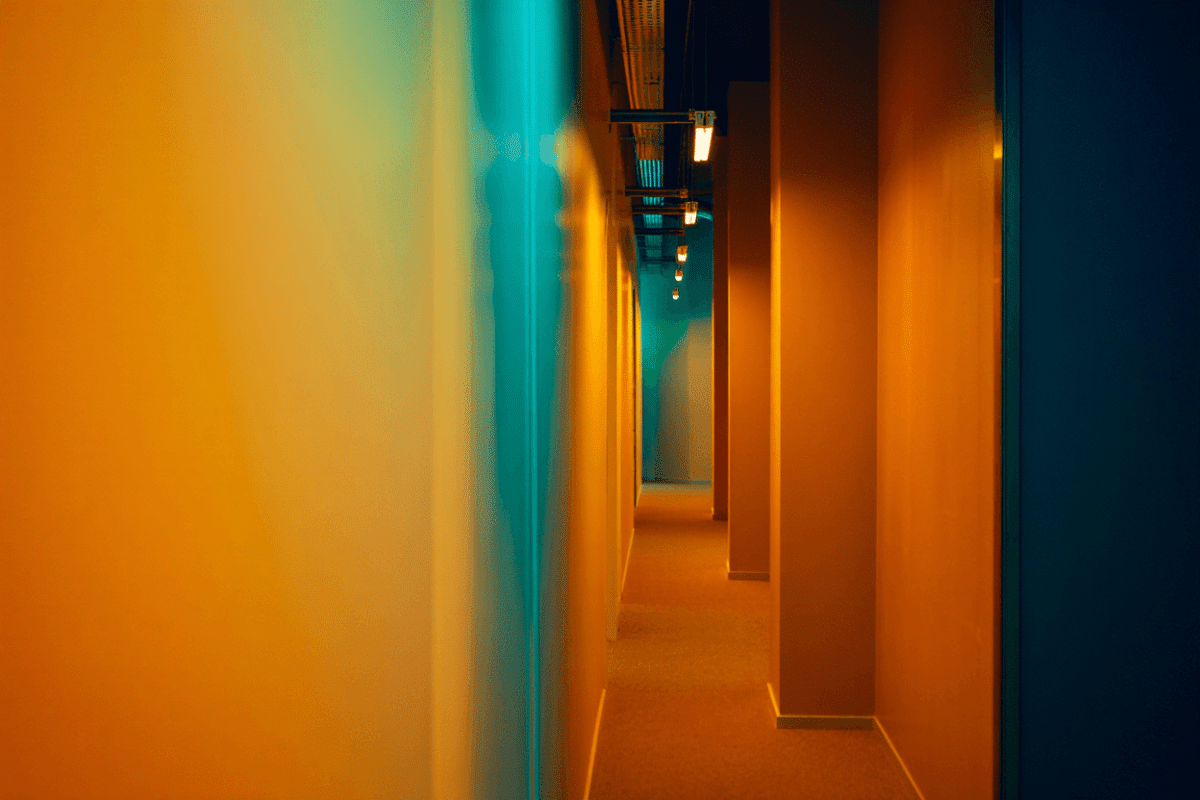
Liminal spaces—transitional places like empty hallways, abandoned malls, or sterile office corridors—have occupied internet culture for years through 4chan creepypasta threads and Reddit communities. The Backrooms mythology emerged around 2019 as a specific liminal horror subgenre, depicting infinite, maze-like environments stripped of human presence yet laden with architectural dread. These aren’t haunted houses with visible threats; they’re psychologically destabilizing non-places where the familiar becomes uncanny.
Director Kane Parsons first popularized the Backrooms through a YouTube video series that captured the internet’s collective anxiety about these liminal spaces. His short-form content evolved into a cinematic property when A24 greenlit the feature film adaptation, recognizing the commercial potential and cultural resonance of liminal horror among audiences seeking something beyond traditional jump-scares and creature features.
Plot Mechanics: Psychological Entrapment in Endless Spaces
The film follows Clark (Chiwetel Ejiofor), a struggling furniture store owner whose business faces closure. Desperate, Clark discovers a hidden doorway in his shop’s basement—a threshold that leads not to storage but to the Backrooms themselves. These aren’t rooms in any conventional sense. They’re endless corridors of beige wallpaper, flickering fluorescent lights, and neon yellow surfaces, geometrically impossible yet familiar enough to evoke profound disorientation. When Mary (Renate Reinsve), a woman from Clark’s past, enters searching for him, both become trapped in these spaces.
The horror operates on psychological and existential frequencies rather than supernatural violence. The Backrooms don’t attack visitors—they isolate them, disorient them, and expose their deepest internal conflicts. The spaces transform based on the characters’ fears and trauma, blurring the line between physical architecture and mental landscape. This approach mirrors psychological horror traditions established by films like Possession and Inland Empire, where the environment becomes an externalization of psychological turmoil.
The Business of Liminal Horror: Why This Subgenre Resonates
The film’s success reflects deeper cultural anxieties. Liminal spaces trigger neurological unease—research on environmental psychology suggests these in-between places activate threat-detection systems because they violate expected social logic. An empty mall at 3 AM shouldn’t feel terrifying, yet it does. Such spaces lack both comfort (home) and purpose (workplace), leaving the mind in interpretive limbo.
| Element | Traditional Horror | Liminal Space Horror |
| Primary threat | Visible monster/killer | Environment + psychology |
| Visual style | Dark, gothic, grotesque | Mundane, sterile, nostalgic |
| Fear mechanism | Danger avoidance | Existential disorientation |
| Audience appeal | Action/suspense | Psychological immersion |
| Target demographic | Ages 18-35 | Ages 16-40 (Gen Z/Millennial) |
Gen Z’s attraction to liminal spaces reflects pandemic-era isolation anxieties and persistent social fragmentation. Empty public spaces—once bustling with human connection—became symbols of alienation. Backrooms taps into this zeitgeist while maintaining the universal appeal of supernatural confinement narratives that span from The Shining to Annihilation.
A24’s Record-Breaking Strategy: Low Budget, High Cultural Capital
A24’s investment strategy behind Backrooms demonstrates a calculated risk. The studio spent merely $10 million—a fraction of typical horror tentpoles. By sourcing from viral internet IP with established fan communities, A24 bypassed traditional marketing costs. Reddit, TikTok, and YouTube communities provided organic promotion; Gen Z audiences were primed before the studio ran its first theatrical spot.
The opening weekend forecast of $85M-$89M represents 8.5x to 9x return on production budget—an exceptional multiple even accounting for marketing and theater acquisition costs. This success replicates A24’s winning formula with films like Midsommar and Hereditary: blend respected directorial vision (Parsons’ YouTube reputation), strong ensemble casting (Ejiofor brings dramatic gravitas), and thematically dense storytelling that transcends typical horror demographics.
“A24 didn’t just adapt an internet phenomenon—they validated a generation’s collective fear. Liminal space horror reached mainstream consciousness exactly when audiences hungry for psychological depth over gore needed it most.”
— Industry analyst perspective, based on box office patterns and demographic data
What the Backrooms Opening Means for Horror’s Future
This opening weekend signals a seismic shift in theatrical horror. Supernatural creature features and slasher reboots no longer dominate; audiences now prefer psychological immersion and thematic richness. The film’s success validates internet-native IP, suggesting studios will increasingly mine Reddit, TikTok, and creepypasta communities for source material.
The $85M-$89M forecast also positions Backrooms to exceed $150M+ globally if international markets embrace liminal space horror with similar enthusiasm. International expansion will test whether the film’s appeal transcends American internet culture or reaches truly universal audiences. Early signals from social media suggest UK, Australia, and Scandinavian markets show particular enthusiasm, given those regions’ architectural similarities to Backrooms aesthetics.
Will Liminal Horror Sustain This Momentum, or Was Backrooms a Phenomenon?
One critical question remains: Does Backrooms‘s success launch a sustainable liminal horror subgenre, or represent a singular cultural moment? Director Kane Parsons has already hinted at sequel possibilities, and other studios are reportedly developing competing projects. However, liminal spaces risk audience oversaturation—what terrifies in novelty may bore in repetition.
The answer likely depends on whether subsequent films innovate thematically or merely replicate aesthetics. Backrooms succeeds because it articulates specific anxieties—professional failure, romantic regret, entrapment. If future liminal horror films achieve similar psychological depth rather than chasing a visual trend, the subgenre could endure. If they become superficial imitations, audiences will fatigue quickly.
Sources
- Variety – Box office reporting and opening weekend projections ($85M-$89M range, 2026-05-30)
- Deadline – A24 record confirmation and production budget verification ($10M)
- The Hollywood Reporter – Opening day performance ($38.4M Friday) and industry context
- Slate Magazine – Liminal space cultural origin and creepypasta backstory
- Complex, Bloody Disgusting – Box office trajectory and comparative analysis
- IMDB – Cast and crew credits (Chiwetel Ejiofor, Renate Reinsve, Kane Parsons)