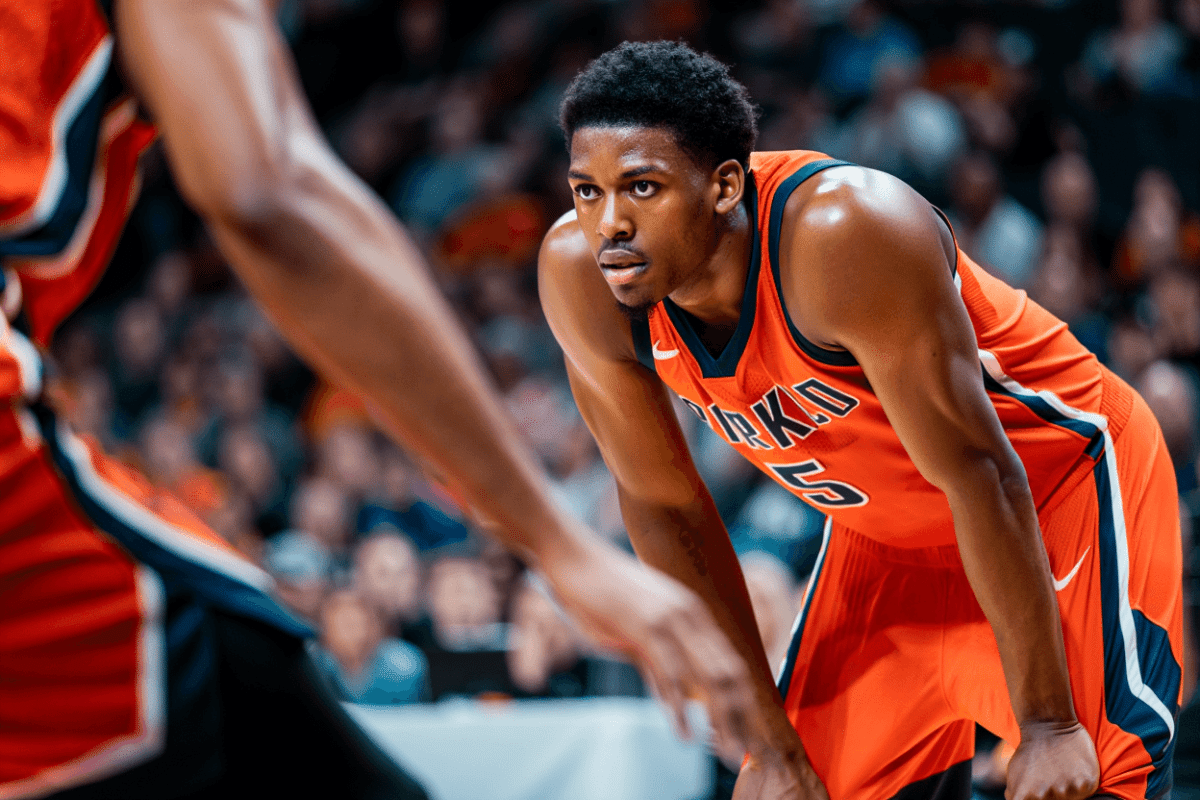
Tracy McGrady’s Ones Basketball League is expanding significantly for the 2026 summer season, bringing one-on-one elite basketball to eight major U.S. cities with an impressive roster of NBA Hall of Famers, active NBA stars, and celebrity team owners. The rebranded initiative—“OBL: Battle of the Cities”—marks a substantial evolution from the league’s initial launch four years ago, now featuring 32 elite athletes competing in a multi-week format starting May 15, 2026, in Orlando, Florida.
🔥 Quick Facts
- Eight city-based teams competing across May 15 – June 30, 2026 in Orlando
- 32 total athletes representing major markets including Atlanta, Chicago, Miami, Baltimore, New York, Washington DC, Los Angeles, and Orlando
- Celebrity ownership: Jaylen Brown (Boston Celtics) owns Team Atlanta; Vince Carter leads Team Orlando
- $100,000 prize pool for competition with Fubo Sports Network as exclusive streaming partner
- The league has secured multimillion-dollar investment from Miami-based investment firm for the 2026 relaunch
Why Tracy McGrady Built the Ones Basketball League
Tracy McGrady, the seven-time NBA All-Star and Hall of Famer who earned 39.5 points per game during his peak seasons, created OBL to celebrate the raw skill and competitive grit of one-on-one basketball. McGrady first launched the league in 2022, but this 2026 reinvention represents a complete reimagining of format, scale, and partnerships. The concept arose from McGrady’s personal love for the street-level “grit and grind” of one-on-one competition—the kind of basketball that defined playgrounds across America. Unlike traditional five-on-five team basketball, the 1v1 format isolates individual skill, defensive ingenuity, and mental toughness, creating a direct showcase for elite scorers and stopper defenders.
The league’s timing in 2026 summer positions it strategically between the NBA playoffs and NBA Summer League, offering a fresh competitive platform precisely when basketball audiences crave high-level content. McGrady stated that the league is designed to give players a national platform while maintaining professional betting opportunities and real prize money—factors that elevate stakes beyond exhibition play.
Celebrity Ownership and NBA Star Involvement—Expertise in League Architecture
McGrady assembled a superstar ownership group that bridges modern NBA players, retired legends, and entertainment figures, creating unprecedented crossover appeal. The eight team owners and general managers represent distinct expertise and fan bases:
- Team Atlanta: Jaylen Brown (owner/GM) — Boston Celtics wing, making him the first active NBA player franchise owner in OBL history
- Team Orlando: Vince Carter (owner/coach) — Hall of Famer, iconic dunker, and 22-year NBA veteran
- Team Baltimore: Muggsy Bogues (owner/coach) — 14-year NBA veteran, exceptional defender, first All-Star point guard under 5’3″
- Team Miami: Tim Hardaway Sr. (owner/coach) — Five-time NBA All-Star, inventor of the “UTEP Two-Step” crossover
- Team Washington, DC: Quinn Cook (owner/GM) — Two-time NBA Champion with Golden State Warriors
- Team Chicago: Larenz Tate (owner/GM) — accomplished actor extending entertainment sector credibility to the league
- Team New York: Jadakiss (owner/GM) — hip-hop artist, expanding cultural reach beyond traditional sports
- Team Los Angeles: TBA (additional owner details)
This multi-sector ownership structure reflects McGrady’s strategic vision: leverage nostalgic basketball appeal (legacy stars like Vince Carter and Muggsy Bogues), tap current NBA star power (Jaylen Brown), and expand into entertainment demographics (actor and musician ownership). The strategy mirrors successful sports leagues like the WNBA and XFL, which have gained cultural momentum through celebrity co-ownership.
Tournament Format and Competitive Structure
The 2026 Battle of the Cities operates under a city-based team format distinct from traditional tournament brackets. Each of the eight teams fields four elite one-on-one athletes, resulting in 32 total competitors. Games take place May 15 – June 30, 2026, exclusively in Orlando, Florida—strategically chosen because McGrady developed his own 1v1 skills on Orlando playgrounds during his youth.
The league format emphasizes head-to-head matchups designed to highlight individual scoring prowess, isolation defense, and mental composure under pressure. Unlike exhibition formats, OBL incorporates real prize money—a reported $100,000 prize pool—making outcomes competitive rather than predetermined. This financial incentive distinguishes OBL from entertainment-first leagues and aligns with McGrady’s goal of legitimizing one-on-one basketball as a consequential competitive format.
| Tournament Element | 2026 Details |
| Format | “Battle of the Cities” — 8 city-based teams, 4 athletes per team |
| Total Athletes | 32 elite one-on-one competitors |
| Dates | May 15 – June 30, 2026 (multi-week series) |
| Location | Orlando, Florida |
| Prize Pool | $100,000 (distributed among winning city teams) |
| Streaming Partner | Fubo Sports Network (first streaming agreement) |
| League Founder | Tracy McGrady (NBA Hall of Famer) |
“OBL is the premier one-on-one basketball league in the world. We’re designed to spotlight elite 1v1 talent while giving players a national platform to share their stories and represent where they’re from.”
— Tracy McGrady, Founder, Ones Basketball League
Strategic Streaming Partnership and Media Reach
On May 14, 2026, OBL announced its first streaming agreement with Fubo Sports Network, a major strategic milestone. This partnership addresses the historical challenge of one-on-one basketball finding mainstream media distribution. By securing Fubo—a sports-dedicated streaming platform with multi-million-subscriber base—McGrady’s league gains television-equivalent legitimacy and algorithmic promotion.
Fubo Sports Network’s commitment signals industry confidence in OBL’s format and audience appeal. The platform will provide live broadcasts, highlights, and behind-the-scenes content, making the league accessible to cord-cutting audiences and international viewers. This represents a significant departure from McGrady’s 2022 launch, which relied on social media and independent streaming—a limitation that constrained viewership and sponsor opportunities.
The media deal also enables real-time betting integration on select platforms, a revenue driver that attracts sportsbooks and deepens competitive stakes. Modern sports leagues increasingly depend on wagering ecosystems to fund prize pools and operational costs, and OBL’s Fubo partnership creates this infrastructure from launch.
What This Expansion Means for Professional One-on-One Basketball
Tracy McGrady’s 2026 expansion addresses a dormant gap in professional basketball: legitimate one-on-one competition. The NBA has occasionally featured 3-point contests and dunk competitions at All-Star Weekend, but these are brief exhibitions without prize stakes or competitive depth. The AND1 Mixtape Tour, which dominated streetball consciousness in the 2000s, faded due to inconsistent business strategy and limited media distribution.
OBL’s structured format—multi-week schedule, celebrity ownership, broadcast agreement, prize money—indicates McGrady’s intention to build a sustainable league rather than a seasonal event. The 2026 relaunch with multimillion-dollar investment demonstrates that institutional capital now sees one-on-one basketball as a viable professional sports category. This could influence:
• NCAA interest in hosting NIL-compliant one-on-one tournaments for draft exposure
• International basketball federations developing 1v1 qualification pathways for Olympic competition
• Esports organizations launching virtual one-on-one basketball simulators with OBL licensing
The historical precedent matters: professional skateboarding, surfing, and BMX were once niche activities; today, they’re Olympic sports with billion-dollar sponsorship. One-on-one basketball occupies similar cultural real estate—accessible, individual-focused, and rooted in street culture—making OBL’s success a potential inflection point for the sport’s legitimization.
How Fans Can Watch and What to Expect This Summer
Fans across the United States can access OBL: Battle of the Cities exclusively via Fubo Sports Network from May 15 onwards. Fubo subscribers gain HD streaming on multiple devices (smart TVs, tablets, smartphones), with live broadcasts complemented by on-demand replays and social media highlights distributed across Instagram, TikTok, and YouTube.
Live attendance in Orlando will be available for fans willing to travel; ticket information launches through OBL’s official website (oblhoops.com) and venue partners. The atmosphere will resemble AAU summer basketball tournaments—intimate enough for courtside energy, professional enough for broadcast production. Celebrity team owners attending in-person adds star-studded appeal; Vince Carter, Muggsy Bogues, and Jaylen Brown are expected to coach and mentor their respective teams throughout the six-week schedule.
Expect elite athleticism: OBL athletes include unfinished NBA players, G League standouts, international professionals, and streetball circuit legends. While organizational rosters haven’t been fully disclosed, historical OBL competition featured players in the 6’1″ – 6’8″ height range with elite ball-handling, first-step quickness, and 30+ point per game scoring ability. The one-on-one format eliminates team defense assistance, meaning individual defensive versatility becomes paramount—an area where NBA-caliber athletes excel.