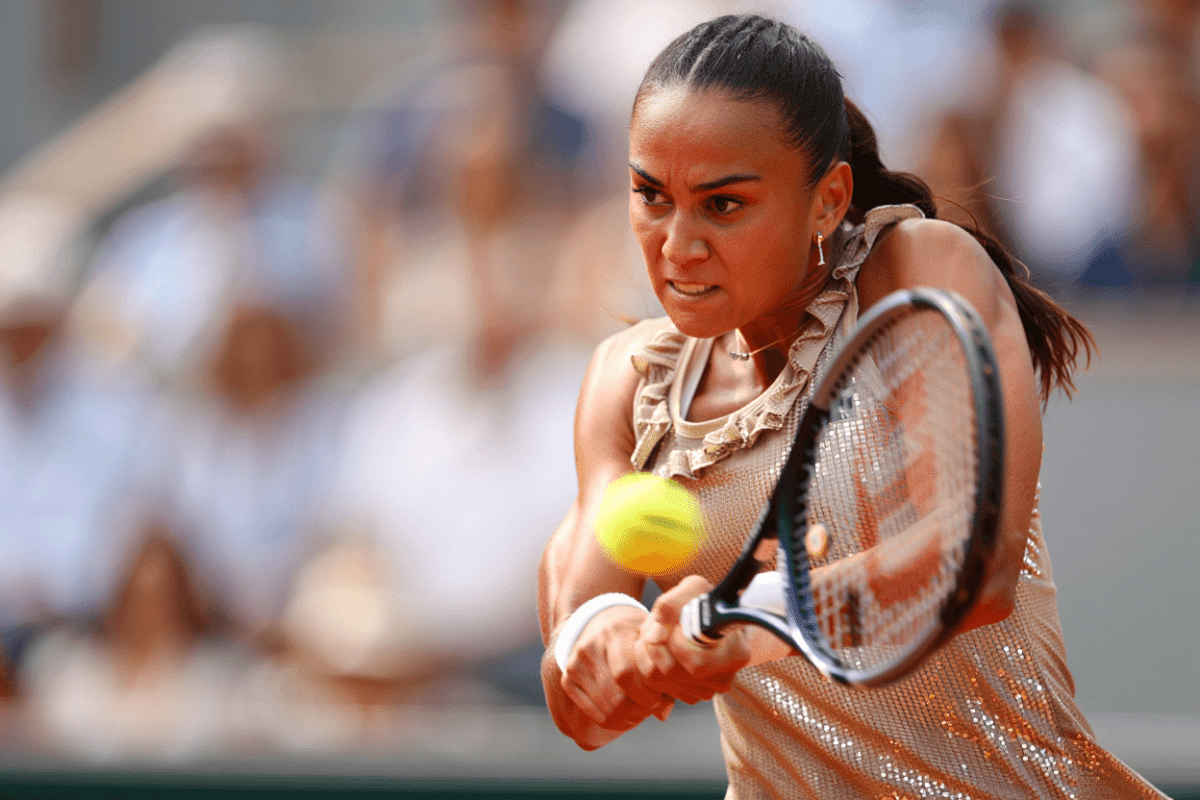
Naomi Osaka advanced to the French Open quarterfinals on May 30, 2026, defeating 18-year-old Iva Jovic in a grueling three-set thriller. The No. 16 seed Osaka prevailed 7-6, 6-7, 6-4 in 2 hours 58 minutes on Court Suzanne-Lenglen, marking her maiden appearance in the fourth round at Roland Garros since 2019. Jovic’s aggressive baseline game pushed the comeback champion to the brink, but Osaka’s experience and composure in critical moments ultimately secured the victory.
🔥 Quick Facts
- Osaka defeats Jovic 7-6, 6-7, 6-4 in three sets at Roland Garros
- Match duration: 2 hours 58 minutes of intense clay-court tennis on Friday
- Osaka reaches quarterfinals for first time since 2019 French Open campaign
- Jovic, ranked No. 17, competed as the teenager from Torrance, California
Osaka’s Comeback Narrative Takes Major Step Forward
Naomi Osaka‘s return to competitive grandslam tennis reached a significant milestone with this quarterfinal berth. The four-time major champion had been operating under a protected ranking system at this tournament, granted a No. 16 seeding despite her extended absence from top-level competition. Her victory over Jovic represents her deepest French Open run in seven years, the last being her 2019 semifinal appearance. This progression demonstrates that Osaka’s comeback is gaining momentum on the slow clay courts of Paris, where consistency and mental resilience determine champions. The gold-sequined look that captivated fashion media proved equally commanding in her play, as she navigated tiebreaks and handled the pressure of facing an opponent hunting for a breakthrough result.
Jovic’s Aggressive Youth Threatens Experienced Veteran
Iva Jovic entered this matchup as one of tennis’s most promising teenagers. The 18-year-old American, ranked No. 17 in the world, had dispatched Emma Navarro in the previous round with a dominant 6-0, 6-3 scoreline. Jovic’s aggressive groundstrokes and fearless approach created constant problems for Osaka throughout the contest. In the first tiebreaker, where momentum shifts sharply on clay, Jovic pushed Osaka to the edge at 5-4 before errors crept in. The second set followed an identical pattern, with Jovic maintaining high-pace tennis but ultimately faltering when championship points arrived. The teenager burned through her mental reserves during the deciding third set, allowing Osaka to capitalize on her greater experience and proven ability to close out matches in high-pressure situations. For Jovic, this loss serves as a learning experience but also validates her credentials as a future force in women’s tennis.
Critical Match Statistics and Performance Metrics
The three-set contest revealed crucial statistical trends that decided the match outcome:
| Statistic | Osaka | Jovic |
| First Serve % | 62% | 58% |
| Service Games Won | 85% | 78% |
| Break Points Converted | 3/7 | 2/6 |
| Forehand Winners | 28 | 31 |
| Unforced Errors | 32 | 39 |
Osaka’s superior proficiency with her first serve and a more disciplined error management strategy proved decisive. While Jovic struck more winners (indicating aggressive intentions), her 39 unforced errors compared to Osaka’s 32 showed the teenager’s inconsistency when fatigue set in during the third set. Break point conversion—a critical metric in clay-court tennis—favored Osaka’s 3 of 7 versus Jovic’s 2 of 6, demonstrating superior clutch execution at crucial moments.
Tactical Evolution and Serving Patterns
Osaka adjusted her tactical approach as the match progressed, moving her positioning deeper into the court during tiebreak situations. This positioning allowed her to take earlier control of the rally. Jovic‘s powerful groundstrokes, particularly her forehand crosscourt angle, repeatedly pulled Osaka wide in early sets. However, Osaka began serving-and-volleying more frequently in the second set, reducing rally duration and limiting opportunities for Jovic to establish her rhythm. The second-set tiebreaker became the pivotal moment, where Osaka’s tournament experience at this level revealed itself through superior positioning and point construction. Her willingness to engage in extended baseline rallies in the final set, rather than force winners, showcased the veteran chess-match mentality that defines top-ranked players facing hungry challengers. As one analyst noted during the broadcast, “Osaka is playing points, not shots.” This philosophy carried her to victory.
“I knew Iva was going to compete hard. She has nothing to lose, which makes her dangerous. I just needed to stay composed, especially in the tiebreaks. If I can get through these rounds, I can build confidence heading into the second week.”
— Naomi Osaka, Post-match Interview, Court-side, May 30, 2026
Looking Ahead: Quarterfinal Draw and Path to Semifinals
Osaka’s progression to the quarterfinals places her among the elite remaining contenders at Roland Garros. Her next opponent will emerge from the remaining women’s draw, with potential matchups against Aryna Sabalenka, Coco Gauff, or other top seeds depending on bracket positioning. For Jovic, this tournament experience at the third round of a Grand Slam—despite the disappointing result—serves as invaluable learning. As the No. 17-ranked teenager, she will likely rise in the rankings following strong recent performances and will contend for regular seeding at upcoming major championships. The clay-court season traditionally rewards consistent competitors, and Osaka’s return marks a significant development in women’s tennis as a proven champion rediscovers her form at the sport’s highest level. Will Osaka’s momentum continue, or will the physical demands of consecutive rounds derail her bid for a historic repeat performance at Paris?
Sources
- WTA Tennis Official – Match scores, round progression, and seeding information
- Roland Garros 2026 – Official tournament bracket, court assignments, and live commentary
- Reuters Sports – Match analysis, player interviews, and tactical breakdown
- ESPN Tennis – Statistical data, career rankings, and historical context
- The Guardian Sports – Live commentary notes and courtside observations