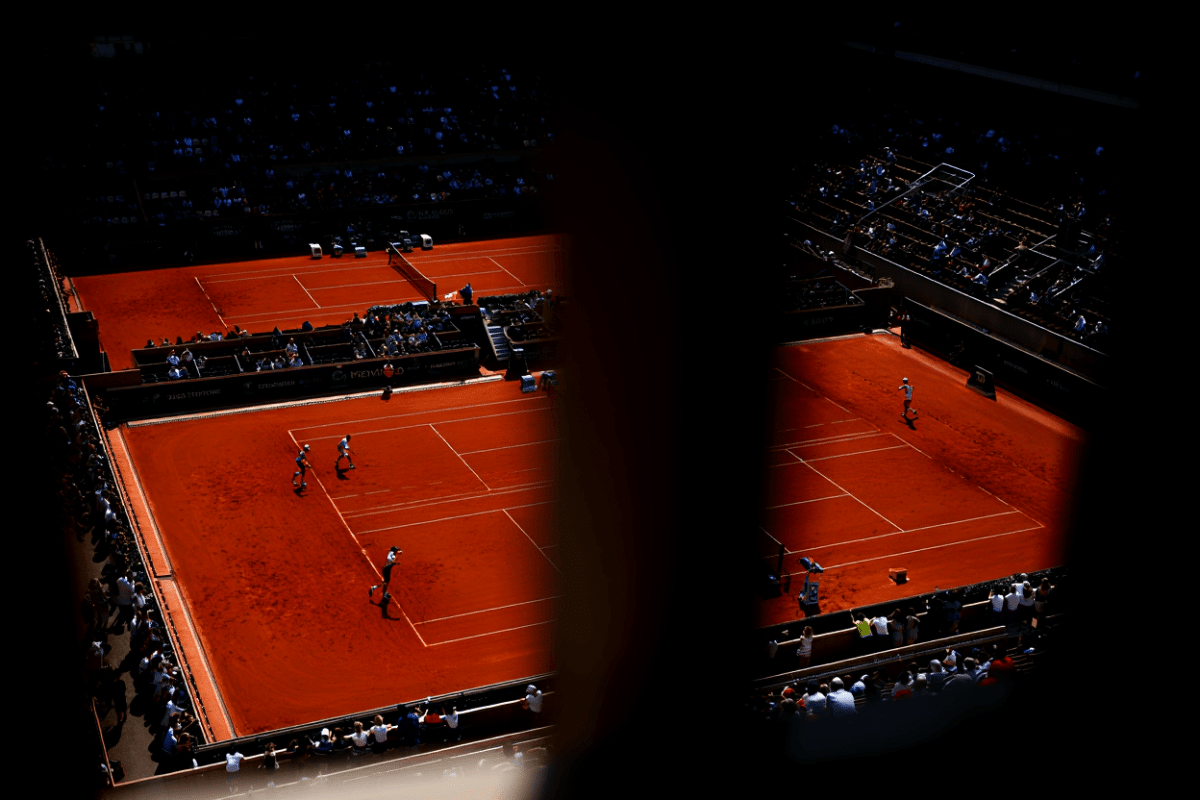
Roland Garros 2026 is progressing through its most decisive phase with the Round of 32 underway on May 29-30 at Stade Roland Garros in Paris. The tournament runs until June 7, with 128 players competing on the iconic red clay courts. The competition has already delivered numerous upsets, toppling seeded players and reshaping the brackets heading toward the quarterfinals.
🔥 Quick Facts
- Tournament dates: May 18–June 7, 2026
- Round of 32 ongoing: May 29–30 at Stade Roland Garros
- Multiple seeded upsets including world No. 1 Jannik Sinner in Round 2
- 48 matches total in Round of 32; top 32 players remain
- Men’s final: Sunday, June 7 (not before 3 p.m. ET)
Understanding Roland Garros 2026 Schedule Progression
Roland Garros 2026 follows the traditional two-week structure of Grand Slam tennis, beginning with qualifying rounds on May 18-20 and the main draw opening on May 24. The tournament advances through seven rounds: the Round of 128 (first round), Round of 64 (second round), Round of 32 (third round, currently underway), Round of 16 (quarterfinals), semifinals, and finals across men’s and women’s singles. The clay courts at Stade Roland Garros in the 16th arrondissement remain the only Grand Slam surface of its kind, played exclusively on terre battue (crushed brick clay). Historical context matters here: no player has ever won Roland Garros without mastering clay-specific movement, slide technique, and endurance on the slower surface.
The tournament’s structure mandates that 32 players remain after the Round of 32 concludes, with eight quarterfinal matches scheduled for May 31–June 1. Prior editions have shown that seeding reliability drops dramatically on clay once the draw reaches the Round of 32, as lower-ranked specialists adapt better to pace-of-play variations. Iga Świątek, the four-time champion, continues her pursuit on the women’s side, though multiple favorites have already fallen.
Dramatic Upsets Reshape the 2026 Draw
The early rounds of Roland Garros 2026 produced historic upsets. Most notably, Jannik Sinner, the world No. 1 who had won Monte Carlo, Madrid, and Rome this spring without dropping more than three sets total, suffered a crushing 3-6, 2-6, 7-5, 6-1, 6-1 loss to Juan Manuel Cerúndolo (ranked No. 56) in the second round on May 28. The result marked Sinner’s first loss in 31 matches, ending a remarkable clay-court run and opening a potential path for other contenders to claim the title. Additionally, Novak Djokovic exited to Brazilian teenager João Fonseca in the third round, while Ben Shelton, Jessica Pegula, and Elena Rybakina also suffered early eliminations. American prospect Nishesh Basavareddy (ranked No. 154 in his Grand Slam debut) has advanced by defeating No. 7 seed Taylor Fritz 7-6, 7-6, 6-7, 6-1. Meanwhile, young French player Léme Kouame is leveraging home advantage to progress through the Round of 32 with crowd support.
Clay Court Dynamics and Seeding Performance
| Factor | Impact on Round of 32 | Notable 2026 Example |
| Seeding Reliability | Drops significantly vs. hard courts | Sinner (No. 1), Djokovic (seed) both out |
| Slide Technique Required | Allows lower-ranked specialists to compete | Basavareddy, Cerúndolo advancing |
| Rally Length | Longer baseline exchanges favor clay experts | Świątek progressing (4x clay champion) |
| Court Speed | Slower than hard/grass; variable by humidity | Sunbaked clay plays faster; favors power |
| Top Seed Pressure | Unforgiving; one poor match ends run | Sinner’s 31-match streak snapped |
The red clay surface at Roland Garros comprises five distinct layers totaling 80 centimeters in depth, with crushed brick forming the top playing surface. This composition creates a slower court speed than hard courts while allowing explosive power play when the clay is sunbaked and firm. As noted in recent analysis of the tournament, sunbaked clay bounces the ball faster, giving aggressive baseline strikers an advantage. Players like Aryna Sabalenka, with her refined clay-court tactics and powerful flat drives, have adapted effectively. The physical toll of clay-court play—requiring constant sliding, lateral movement, and recovery—eliminates players lacking match fitness by the Round of 32, explaining why specialists outperform unseeded power hitters.
Remaining Contenders and Championship Implications
With 32 players advancing past the Round of 32, the title picture has crystallized. Aryna Sabalenka, the match favorite on the women’s side, has demonstrated tactical efficiency in straight-set victories. Iga Świątek, champion of Roland Garros in 2022, 2023, 2024, and 2025, remains a formidable threat, as no clay-court artist has replicated her consistency at this venue. The men’s draw now opens for contenders like Carlos Alcaraz, Jannik Sinner’s rivals, and emerging talents Fonseca (having toppled Djokovic) who may lack experience but possess aggressive skill sets suited to clay. The quarterfinalists will be decided May 31–June 1, with semifinals and finals compressed into June 3-7 at Stade Roland Garros.
The tournament’s trajectory indicates a wide-open championship after Sinner’s elimination. Players ranked outside the top 10 have proven clay expertise transcends seeding. The upcoming Round of 32 matches will finalize the quarterfinal bracket, with each remaining player eyeing the championship trophy and €2.8 million (approximately $3.0 million USD) in prize money for the singles champion. The men’s final on June 7 will conclude a surprisingly unpredictable tournament where resilience and clay mastery have trumped global ranking.
“The second Grand Slam of the season rewards endurance, rally tolerance, and return efficiency more than any other major. Clay forces players to embrace longer points and slide-based positioning.”
— Analysis from Matchstat Sports Analytics, French Open performance metrics
What Will Determine the Final Champion?
By the time the Round of 32 concludes on May 30, the championship narrative becomes clear. Will Sabalenka or Świątek claim the women’s title? Can an unseeded male player capitalize on Sinner’s absence to reach the June 7 final? Clay-court specialists have historically prevailed at Roland Garros—players who have invested time mastering the surface rather than relying on speed and power alone. The April-May clay swing (Monte Carlo, Madrid, Rome) provided 2-3 weeks of preparation, yet only players who seamlessly transitioned their game to Stade Roland Garros’s unique conditions have survived the Round of 32. Expect the final bracket to feature proven clay warriors surrounded by surprising upsets. The tournament’s finish June 3-7 will crown champions who thrived when traditional hierarchy collapsed.
Sources
- ATP Tour — Official tournament schedules, draw progression, and match results
- Roland Garros Official Site — Verified schedule, court specifications, and tournament format
- Olympics.com — Daily order of play and Round of 32 match results (May 29-30)
- Matchstat Sports Analytics — Clay-court performance dynamics and tactical analysis
- Reuters / Associated Press — Third-round upset coverage and player performance reports