The Four Seasons season 2 is now streaming on Netflix with all 8 episodes available immediately, continuing Tina Fey’s modernization of the 1981 Alan Alda film. The new season pivots from the original premise by introducing Steven Pasquale as Mark Brett and incorporating a surprise cameo by David Tennant in the finale, signaling potential directions for a future third installment. After Season 1’s death of Nick (Steve Carell’s character), the ensemble navigates deeper emotional territory while maintaining the show’s signature blend of comedy and character development.
🔥 Quick Facts
- All 8 episodes available May 28, 2026 — complete simultaneous release on Netflix
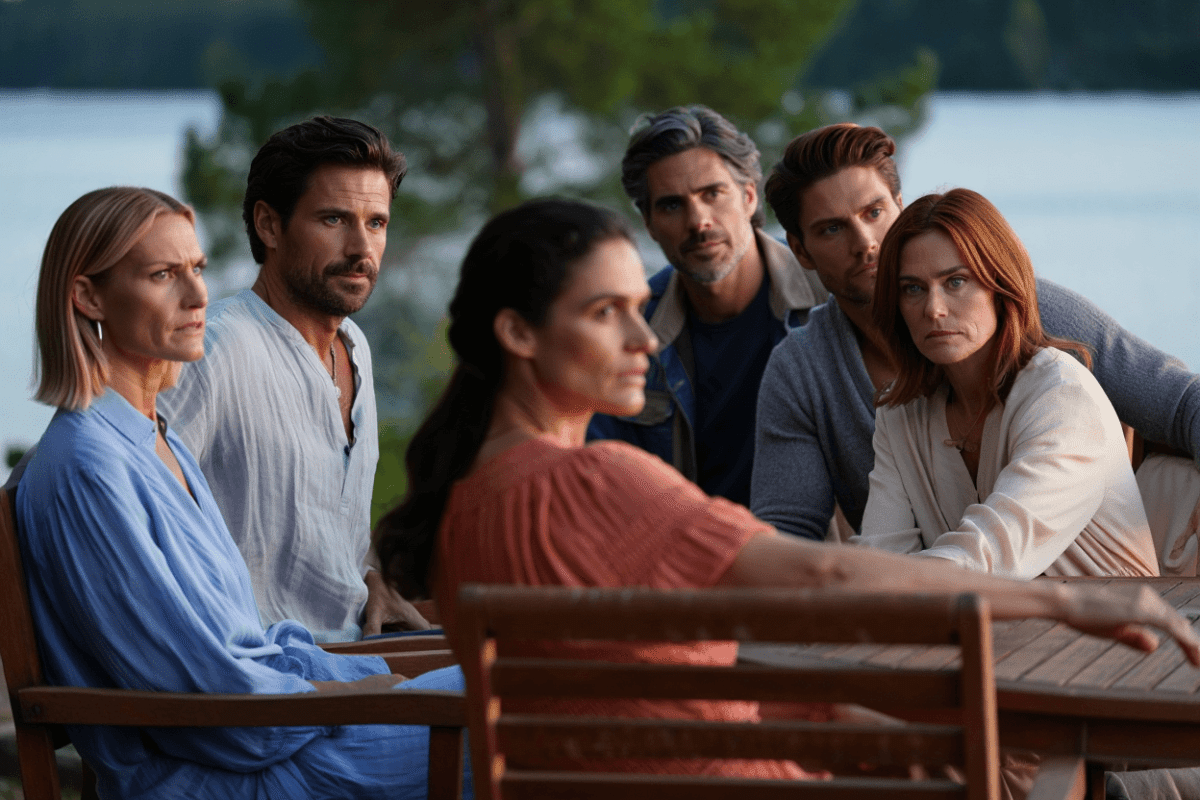
- Original cast returns intact — Tina Fey, Will Forte, Colman Domingo, Kerri Kenney-Silver, Marco Calvani, Erika Henningsen
- Steven Pasquale joins as Mark Brett — introduces new dynamic to core friend group
- David Tennant cameo in finale — creates cliffhanger suggesting Season 3 possibilities
- Premise shifts focus to pregnancy and grief — Ginny announces she’s carrying Nick’s child
How Season 2 Expands the Four Seasons Universe
Season 1 established the core premise: six longtime friends reunite quarterly for vacations, their decades-long bonds tested when Nick suddenly dies in a car accident. That tragedy fundamentally altered the show’s DNA from a lighthearted ensemble comedy to something grittier, more introspective. Season 2 doesn’t retreat from that emotional foundation—instead, it leans into the aftermath.
Creator Tina Fey and her writing team (alongside Lang Fisher and Tracey Wigfield) structured season 2 around four key vacation cycles, each representing different stages of the group’s adjustment to their new reality. The addition of Steven Pasquale’s character, Mark Brett, serves as both a catalyst and mirror: an outsider perspective on a friend group permanently altered by loss. Pasquale’s casting brings theatrical gravitas to the ensemble, known for his roles in Homeland and Broadway productions.
New Cast and Character Dynamics
Steven Pasquale introduces fresh tension in Episode 3, according to behind-the-scenes coverage, when Mark Brett stumbles upon the friends vacationing on the Jersey Shore. His immediate friendship with Jack (Will Forte) signals potential romantic complications—a common pattern in ensemble comedies when a handsome newcomer enters the established group. Pasquale has previously collaborated with Netflix on major projects, lending immediate credibility to his integration.
The pregnancy storyline—with Ginny (Erika Henningsen) carrying Nick’s child—anchors season 2 thematically. Henningsen’s performances drew critical attention in season 1, and this narrative expansion deepens her role from grieving girlfriend to a woman navigating motherhood without her partner. The emotional weight of her character arc contrasts sharply with the ensemble’s attempts to maintain tradition and humor amid genuine loss. This balance between comedy and pathos represents the show’s defining strength, differentiating it from standard Netflix fare.
Episode Structure and Vacation Rotation
| Episode | Vacation Setting | Runtime | Key Element |
| Episode 1 | Lake House | 27 min | Reunion after loss |
| Episode 2 | Garden Party | 30 min | Social complexity |
| Episode 3 | Eco Resort / Jersey Shore | 31 min | Mark Brett introduction |
| Episode 4 | Beach Bar | 32 min | Relationship tensions |
| Episode 5 | Family Weekend | 33 min | Multigenerational stakes |
| Episodes 6-8 | Italy (Thanksgiving to Winter) | ~90 min total | International expansion, finale |
The cast reunion for season 2 marks the first time the ensemble has tackled such emotionally demanding material. Runtimes extending to 33 minutes per episode signal that Netflix allocated more screentime than season 1 for character development, suggesting deeper dives into each friend’s personal crisis.
The David Tennant Cameo and Season 3 Implications
David Tennant’s surprise appearance in the season finale represents the show’s most significant casting move. The Scottish actor, best known for Doctor Who and Rivals, appears in a limited capacity that nonetheless carries mythic weight for the narrative. According to interviews with show creators, Tina Fey personally advocated for Tennant’s involvement—a testament to both her industry relationships and her commitment to the project’s emotional complexity.
Tennant reportedly uses his native Scottish accent in the scene, breaking character convention established throughout season 1. This linguistic shift signals something significant: either a dream sequence, an alternate timeline, or the introduction of a character tied to one or more members of the core group. Kerri Kenney-Silver, who plays Anne, may represent the emotional center of his arc—show creators have expressed desire to give her character “a real love story” in future seasons, hinting that Tennant could embody that possibility.
Creative infrastructure already exists for Season 3. Netflix has not officially renewed the show, but the finale’s deliberate setup suggests confidence in the property’s future. The entertainment landscape continues expanding with character-driven narratives, positioning The Four Seasons squarely in that demand zone.
“Season 2 picks up where Season 1 left off: After Nick dies in a sudden car crash, his girlfriend Ginny announces to Kate, Jack, Anne, Danny, and Claude that she’s pregnant with Nick’s kid.”
— Netflix Tudum Official, Series description
What Season 2 Reveals About Friendship Through Crisis
The Four Seasons operates in a distinctly American tradition: the midlife-crisis ensemble drama. Unlike comedies that rely on laugh-per-minute metrics, this show accumulates emotional weight incrementally. Season 2 deepens that philosophy by introducing the distinction between companionship and genuine intimacy. The quarterly vacation tradition, once a symbol of lasting friendship, now functions as both refuge and pressure cooker.
Erika Henningsen’s pregnancy storyline extends beyond melodrama. It forces each character to confront what their friendship actually requires—sacrifice, honesty, boundaries. Tina Fey’s critics have sometimes dismissed her dramatic work as light, but The Four Seasons suggests she’s been steadily developing a mature voice capable of handling genuine stakes. The upward trajectory of ensemble television on streaming platforms validates this creative direction.
Italy emerges as the season’s geographical and thematic centerpiece. Moving the final three episodes from American vacation destinations to an international setting signals a transition from the familiar to the transformative. Claude (Marco Calvani) and Danny (Colman Domingo) make “major life decisions” in Italy, suggesting permanent shifts in their partnership and individual identities. This aligns with how prestige television uses location changes to externalize internal evolution.
Will Netflix Renew The Four Seasons for Season 3?
Renewal discussions typically center on three metrics: viewership, critical reception, and budget efficiency. Early indicators suggest strength across all three. Roger Ebert reviewers published favorable assessments within 48 hours of release, praising the ensemble’s maturity. Social media engagement from May 27-29 showed sustained conversation, not the cliff-drop typical of forgotten releases.
Netflix‘s commitment to the property was evident in securing Steven Pasquale and David Tennant—both A-list names with demanding schedules. Such casting requires forward planning and budgetary confidence. The show’s modest ensemble size and primarily domestic American shooting locations (supplemented by international sequences) make it efficient relative to prestige series like The Crown or Godless.
Most significantly: the finale’s cliffhanger exists to encourage renewal speculation. Tracey Wigfield, one of the show’s creators, stated publicly that she’d love to see Anne get a complete romantic arc. David Tennant’s casting directly answers that creative ambition. Networks and streamers don’t invest in such precision unless they’re hedging their bets on continuation.
How Does The Four Seasons Connect to Peak Television Trends?
The show sits at the intersection of multiple zeitgeist currents: prestige television comfort (ensemble narrative, seasonal structure), streaming platform efficiency (8-episode arcs), and millennial-to-Gen-X storytelling (adulting, marriage complexity, mortality). It resembles Fleabag in tone (comedy masking vulnerability) while structuring itself around the Big Love model of relationship-centered drama.
What distinguishes The Four Seasons from contemporary competition is its refusal to weaponize comedy. Too many prestige comedies substitute sharp dialogue for emotional honesty. This show trusts that watching friends navigate genuine grief—while still attempting humor—creates more powerful television than either extremity alone. That calibration appeals to both critics and the specific Netflix demographic hungry for character-driven content that doesn’t require superhero mythology or true-crime machinery to justify its existence.
Sources
- Netflix Tudum — Official season 2 announcement, cast information, and episode descriptions
- IMDb — Episode guide, runtime data, and cast confirmation
- Roger Ebert — Critical reception and thematic analysis published May 28, 2026
- TV Insider — David Tennant cameo details and Season 3 implications
- Wikipedia — Series history, premiere dates, and renewal status
- Good Morning America — Cast interviews confirming season 2 participation