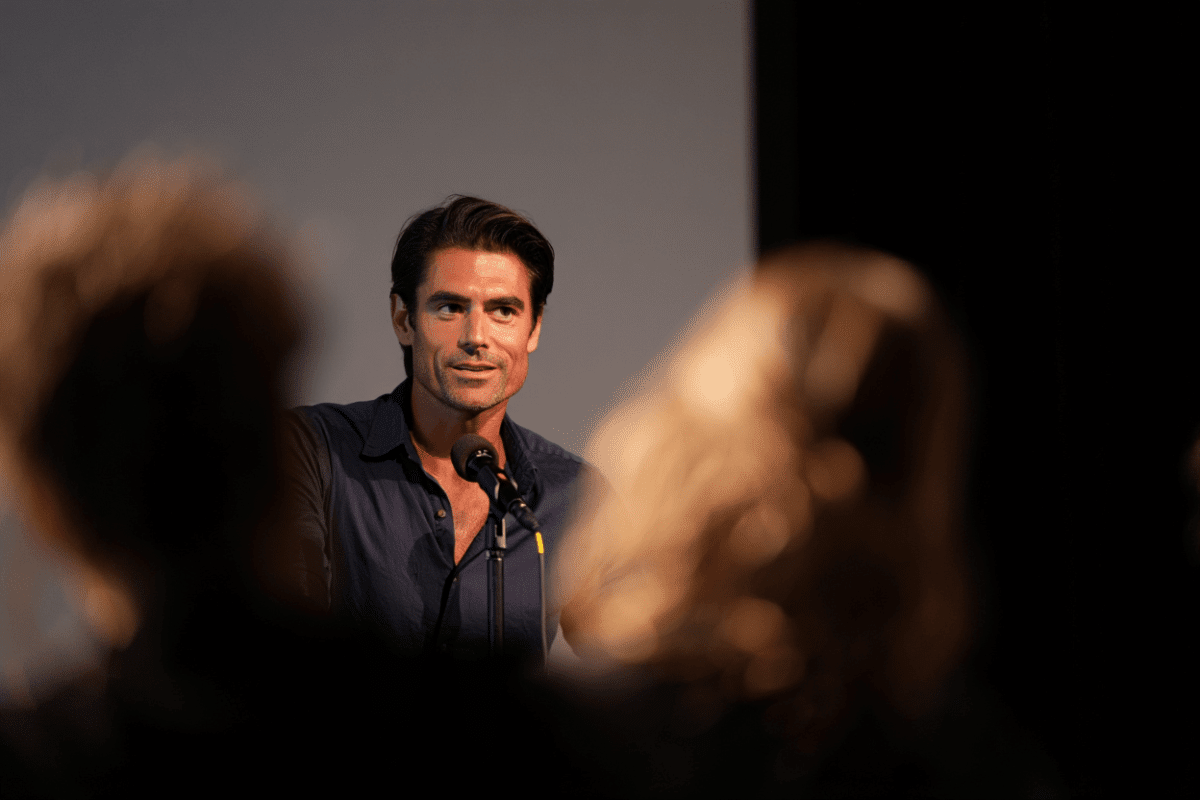
Rob Mariano, the legendary reality TV strategist known as Boston Rob, took to the ATX TV Festival stage on May 28, 2026, to air a long-standing grievance with The Amazing Race. Speaking during a casting conversation panel about the business of reality television, the Survivor and The Traitors personality publicly claimed that The Amazing Race owes him $1 million—a claim rooted in events from more than 21 years ago during the show’s seventh season finale.
🔥 Quick Facts
- Rob Mariano publicly claimed The Amazing Race owes him $1 million at ATX TV Festival on May 28, 2026
- The dispute stems from The Amazing Race Season 7 (2005), which aired 21 years before his statement
- Rob and Amber Brkich finished second place in the season finale, losing to Uchenna and Joyce Agu
- The controversy involves a disputed flight timing during the final leg of the race to Puerto Rico
The 2005 Final Leg Controversy That Never Went Away
The Amazing Race Season 7 aired on CBS from March 1 to May 10, 2005, featuring Rob Mariano and Amber Brkich (engaged at the time) as dominant contestants. The couple finished without placing in last position during any single leg—a unique distinction on the entire season. However, their dream of winning the $1 million grand prize unraveled during the penultimate moment of the race.
In the final leg, both teams boarded flights from Puerto Rico heading to San Juan for the race conclusion. Rob and Amber secured seats on an earlier flight, leaving them well-positioned to claim victory. What happened next became the subject of intense debate: the airplane door closed, the commercial break aired, and when production resumed, viewers discovered that Uchenna and Joyce Agu’s flight—initially scheduled seven hours later—had been selected for the dramatic finale. The later team ultimately won the season, leaving Rob with the runner-up prize and decades of unresolved frustration.
Production’s Role: A Long-Standing Question of Fairness
Rob Mariano’s claim that he’s owed $1 million is rooted in the principle that production manipulation cost him the competition. According to reports discussed in online communities for years, fans and skeptics noted that if the race had been conducted fairly, Rob and Amber’s earlier flight arrival should have given them an insurmountable advantage in the final leg. The fact that American Airlines was a major sponsor of The Amazing Race further fueled speculation: some theorized the airline or production coordinated flight scheduling to create a more dramatic television conclusion.
Rob himself has spoken openly about production interference affecting gameplay. In interviews and podcast appearances over the years, the competitor has indicated that production decisions—including timing, logistics support, and resource allocation—directly impacted competitive outcomes. His statement at ATX suggests that far from moving past the controversy, Rob views it as a legitimate financial claim rooted in unfair competitive practices.
Rob Mariano’s Reality TV Legacy: From Survivor to Show Commentary
Robert Carlo Mariano, born December 25, 1975, has competed on Survivor a record six times, winning the competition on his fourth attempt during Survivor: Redemption Island (2011), where he claimed the $1 million winner’s prize. He has also appeared twice on The Amazing Race, including the controversial Season 7 appearance with Amber Brkich and a second run on The Amazing Race All-Stars. Beyond competition, Rob has built a substantial media presence as a podcaster, television analyst, and strategic consultant on shows including The Traitors and Deal or No Deal Island.
His appearance at ATX TV Festival’s casting conversation alongside Christine Cowan, SVP of Talent and Casting for Bravo, NBC, and Peacock Unscripted, positioned Rob as an insider discussing the business mechanics of reality television production. His willingness to publicly name the show and claim a specific dollar amount suggests a deliberate shift from quiet frustration to public accountability, leveraging his platform and credibility within the industry.
What’s at Stake: Industry Accountability and Contestant Rights
Rob Mariano’s public claim raises important questions about contestant protections, production ethics, and financial accountability in reality television. The claim that a show owes him $1 million implies either: (1) direct production interference that altered the competitive outcome, (2) breach of an implied fair-competition agreement, or (3) a contractual dispute that was never properly litigated. Unlike recent lawsuits—such as the $8 million defamation claim filed by Jonathan and Ana Towns against CBS for misleading editing on The Amazing Race Season 37—Rob’s claim remains a public statement rather than a formal legal action.
The timing of his statement at an industry festival, rather than in a courtroom, suggests Rob may be leveraging public pressure and industry reputation rather than pursuing formal litigation. For other reality TV contestants, his amplification of this 21-year-old grievance signals that production decisions can have lasting consequences—and that winners and finalists have platforms to challenge them.
Has The Amazing Race Responded to the Claim?
As of May 29, 2026, The Amazing Race production team and CBS have not issued a public statement addressing Rob Mariano’s claim that they owe him $1 million. The network’s silence may reflect legal strategy—avoiding direct engagement with an unresolved dispute—or it may indicate they view the claim as a reiteration of a controversyithout new substantive evidence or legal standing. Rob’s previous appearances on The Amazing Race All-Stars (Season 11, competing with Amber again two seasons after their original run) and his ongoing professional relationships with CBS-owned properties suggest the dispute exists alongside ongoing business dealings.
What Happens Next: Will This Lead to Legal Action or Final Closure?
The critical question now is whether Rob Mariano’s public statement at ATX represents the opening salvage of a formal legal claim or simply a documented grievance from a veteran competitor. Reality television law and contestant protections have evolved significantly since 2005. If Rob pursues action, he would likely argue production breach, tortious interference with prize winnings, or unfair competitive practices. The Amazing Race would counter with contract terms likely stipulating that production decisions, even controversial ones, fall within the show’s editorial prerogative.
For fans of the show and reality television enthusiasts, Rob Mariano’s statement serves as a reminder that even the most celebrated moments in television history—like a nail-biting final leg race to the finish line—may harbor unresolved disputes about fairness and accountability. Whether this claim gains traction or remains a historical footnote depends on Rob’s next move.
Sources
- Reality Blurred — Reporting on Rob Mariano’s ATX TV Festival statement and The Amazing Race Season 7 controversy
- NBC/Peacock Unscripted — Context on Christine Cowan’s role and ATX TV Festival programming
- Variety/Deadline — ATX TV Festival Season 15 coverage and Boston Rob’s scheduled panels
- Wikipedia — Rob Mariano biography and competition history across broadcast television shows
- The Amazing Race Wiki/Fandom — Detailed information on Season 7 finale details and contestant records