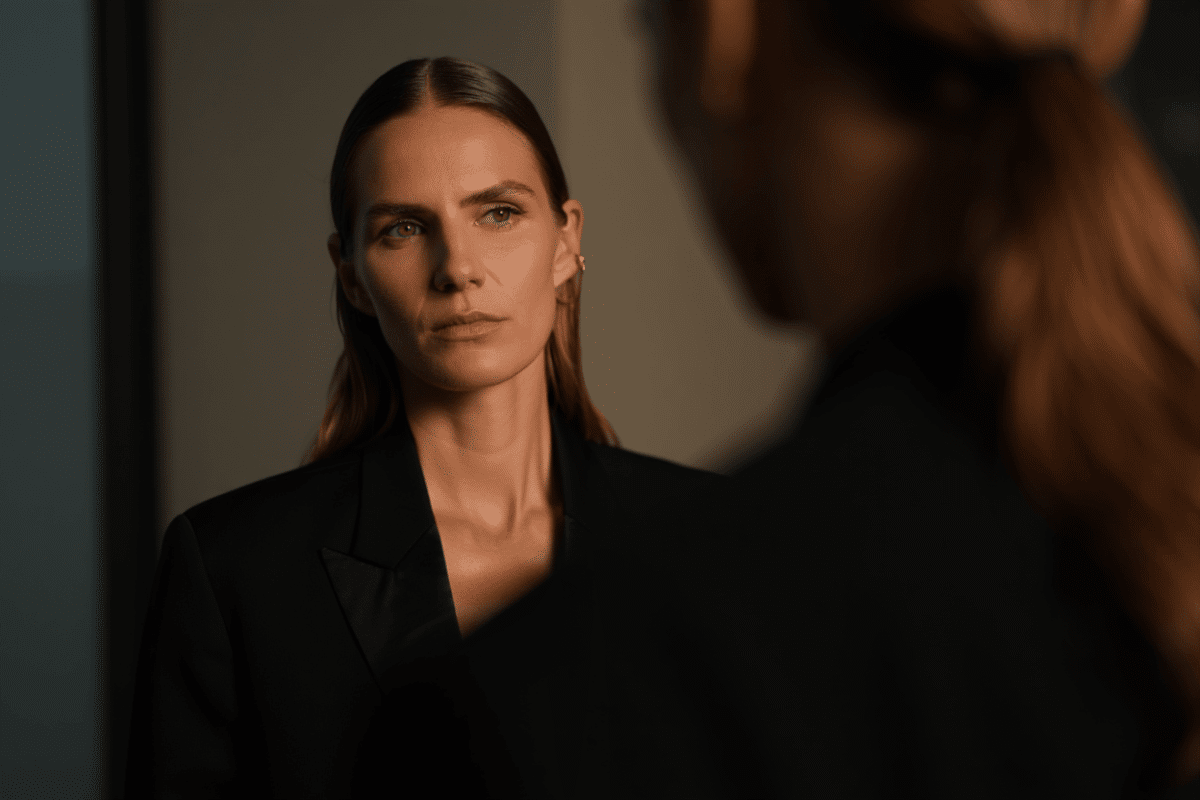
Emilia Clarke has been honored as one of five inaugural Power of Women: London honorees by Variety in May 2026, appearing in the publication’s celebrated issue while discussing her deliberate shift toward diverse, substantive roles beyond the fantasy blockbuster that defined her early career. The 39-year-old British actress, photographed by renowned photographer Zoe McConnell in Christian Dior Pre-Fall ’26, reflects on reclaiming her creative identity after nine years portraying a singular iconic character.
🔥 Quick Facts
- Emilia Clarke honored as one of five inaugural Power of Women: London honorees (May 2026)
- Featured in Christian Dior Pre-Fall ’26 for Variety’s Power of Women issue
- Clarke has publicly stated she is done with fantasy roles permanently after Game of Thrones
- Her 2026 projects include Peacock’s espionage series Ponies and Prime Video’s Criminal adaptation
- Power of Women: London event scheduled for June 3, 2026, in partnership with Lifetime
A Strategic Exit from Fantasy Franchises
Clarke’s career pivot marks a fundamental departure from the trajectory many fantasy franchise actors pursue. Following her 2011-2019 run as Daenerys Targaryen in HBO’s Game of Thrones, she deliberately avoided repeating the cycle that locks performers into similar universes. In interviews earlier this year, Clarke revealed her determination to close the door on fantasy indefinitely, stating she would be “highly unlikely to get on a dragon ever again.”
This calculated repositioning reflects her artistic priorities. Rather than capitalize on fantasy fame with sequels or spin-offs, she allocated time to theatrical work, independent film, and television projects with contemporary grounding. The Variety recognition validates her strategy—critics and industry observers acknowledge her commitment to choosing complex, character-driven material that challenges her capabilities.
Recent Career Trajectory: Substance Over Spectacle
Since 2019, Clarke has built deliberately diverse filmography across multiple mediums. Her post-Thrones projects include Me Before You (2016), establishing her as a leading film actor capable of emotional vulnerability; theatrical roles that strengthened her craft; voice acting opportunities in animated projects; and genre-spanning television appearances. Each selection prioritized narrative depth rather than production scale or franchise revenue potential.
The Peacock espionage series Ponies, which premiered in January 2026, represents her full-circle return to prestige television on her own terms. Unlike the sprawling ensemble structure of Game of Thrones with its shifting narrative focus, Ponies centers Clarke as the protagonist driving the story forward. This inversion of power—from supporting player in vast mythology to central character in tight espionage thriller—demonstrates the intentionality behind her career decisions. Her 2026 pipeline further includes Prime Video’s Criminal, a graphic-novel adaptation, and the Drake Doremus drama Next Life, each selected for directorial vision and artistic merit rather than commercial predictability.
The Variety Power of Women Initiative: Context and Significance
Variety’s Power of Women initiative recognizes female performers, creators, and industry leaders advancing cultural conversations through their work. The inaugural London edition (scheduled for June 3, 2026) honors five British and international actresses: Emilia Clarke, Emma Corrin, Cynthia Erivo, Hannah Waddingham, and Suki Waterhouse. The event, produced in partnership with Lifetime, curates discussions around resilience, artistic reinvention, and impact beyond entertainment metrics.
Clarke’s inclusion alongside this cohort carries specific weight. Corrin earned acclaim for her departure from established franchises to original work; Erivo represents Oscar-caliber performances grounded in character complexity; Waddingham transitioned from ensemble visibility to leading roles; Waterhouse balanced mainstream visibility with independent projects. The collective narrative these five actresses share prioritizes agency—the deliberate choice to control creative direction rather than accept predetermined trajectories.
Photography and Visual Representation
Photographer Zoe McConnell‘s editorial approach for the Power of Women issue emphasizes professional accomplishment and personal presence rather than celebrity mystique. The selection of Christian Dior Pre-Fall ’26 as Clarke’s wardrobe represents a collaboration between luxury fashion and editorial storytelling—Dior’s craftsmanship aligned with a feature celebrating women navigating power through creative discipline.
This visual choice matters contextually. Clarke’s prior magazine appearances often emphasized aesthetic appeal or character-based styling. The Variety treatment instead positions her as an industry figure worthy of fashion house partnership, elevating her to the category typically reserved for actors at peak commercial and critical standing.
Recent Interview Revelations and Personal Truth-Telling
In a separate Variety interview published May 29, 2026—just hours before the Power of Women issue feature—Clarke addressed longstanding Game of Thrones salary rumors and discussed surviving two brain aneurysms that punctuated her career. This vulnerability signals a professional maturation. Rather than deflect personal challenges or maintain carefully managed public narrative, she engages directly with audience curiosity while controlling her own storytelling.
Clarke mentioned experiencing “survivor’s guilt” following her health crises, describing how the pandemic pause allowed her to reassess career identity and purpose. This biographical context—surviving near-death experiences, then consciously choosing smaller-scale, artistically demanding projects—provides philosophical grounding for her industry positioning. She is not simply rejecting fantasy; she is actively pursuing creative work aligned with her hard-won clarity about mortality and meaning.
What Does This Stage of Clarke’s Career Signal About Industry Trends?
The Power of Women recognition reflects a broader shift in how established actors leverage franchise visibility to fund artistic risk. Clarke’s post-Thrones strategy prefigures patterns now visible across the industry: performers who completed long-run franchises consciously diversify away from similar properties, treating initial fame as a platform to fund independent work rather than a template to replicate.
This model differs from 1990s-2000s franchise management, when actors often faced pressure to immediately sign new long-term contracts. Clarke’s decade-long absence from fantasy television, despite lucrative offers likely extended, suggests changing industry power dynamics favoring artist autonomy. Variety’s institutional validation accelerates this shift by declaring that prestige recognition flows to performers prioritizing artistic direction over box office consistency.
Why Does This Matter Now, in May 2026?
The timing of Clarke’s Power of Women feature—coinciding with promotions for Ponies season completion and Criminal’s production announcement—anchors her repositioning in concrete professional achievement. She is not theoretically committed to diverse work; she has delivered commercially viable, creatively sophisticated projects that fulfilled her promises. The Variety recognition validates completed action, not aspirational statements.
What remains uncertain is whether Clarke’s deliberate pivot toward character-centered television and independent film will sustain her industry positioning long-term. Franchise actors who successfully transition to prestige television often do so at cost—reduced earnings, smaller production budgets, narrower audience reach. Does Clarke’s choice serve her financial interests, or reflect ethical prioritization of artistic fulfillment over commercial maximization?
“You’re highly unlikely to see me get on a dragon ever again. That chapter closed intentionally.—Emilia Clarke, on her commitment to moving away from fantasy roles, Variety interviews, 2026
— Emilia Clarke, Actor and Variety Power of Women honoree, 2026
The Broader Conversation: Female Agency in Franchise Culture
Clarke’s Power of Women recognition arrives at a moment when the entertainment industry increasingly values actors who claim creative authority. The headline narrative—”moving beyond fantasy roles”—positions her as resisting typecasting, but deeper analysis reveals she is practicing professional autonomy in an ecosystem that often incentivizes repetition over experimentation.
The inaugural London event curates a specific conversation: what does it mean for accomplished women to wield power in creative industries? For Clarke specifically, power involves rejecting offers, disappointing studios counting on franchise fatigue-induced loyalty, and building reputation across multiple mediums rather than exploiting singular iconic status. This approach demands confidence, financial security (likely accumulated during Game of Thrones), and conviction that audiences will follow her into new work.
Where Will Emilia Clarke Go From Here?
Her upcoming Criminal (Prime Video) adaptation and Next Life (Drake Doremus) will test whether her repositioning strategy resonates with audiences beyond Game of Thrones fandom. Ponies proved she could lead television on her terms; these 2026 projects determine whether that success transfers across platforms and genre sensibilities. The Variety Power of Women platform accelerates industry awareness of her intentionality, but career sustainability depends on delivery—performances that justify her rejection of easier, more profitable paths. Success would validate her thesis: that acting power derives not from franchise obligation but from choosing roles where artistic challenge outweighs commercial certainty.
Sources
- Variety – “Variety Announces Inaugural Power of Women: London” (May 7, 2026)
- Variety – “Emilia Clarke on ‘Game of Thrones’ Salary Rumors, ‘Ponies’ Season 2” (May 29, 2026)
- Hollywood Reporter – “Emilia Clarke Is Over the Fantasy Genre Following ‘Game of Thrones'” (January 15, 2026)
- People Magazine – “What Convinced Emilia Clarke to Return to TV After ‘Game of Thrones'” (January 22, 2026)
- Winter Is Coming – “Emilia Clarke reveals one thing Game of Thrones showrunners wouldn’t budge on” (May 2026)