Apple TV+‘s Star City premieres today (May 29, 2026) with a gripping alternate-history space drama depicting the Soviet perspective on the Cold War race to the moon. Created by Ronald D. Moore—the Battlestar Galactica architect—alongside Ben Nedivi and Matt Wolpert, this 8-episode series expands the For All Mankind universe with a paranoid thriller framework. The show invites viewers behind the Iron Curtain into the high-stakes ambitions of Soviet cosmonauts, engineers, and intelligence operatives competing for space dominance.
🔥 Quick Facts
- Premiere Date: May 29, 2026 on Apple TV+ with 2 episodes
- Episode Schedule: Weekly releases through July 10, completing the 8-episode first season
- Creator Pedigree: Ronald D. Moore (Battlestar Galactica, Carnivale, Outlander)
- IMDb Rating: 6.2/10 from 102 votes; premiered at 2026 Canneseries Festival
- Core Cast: Rhys Ifans, Anna Maxwell Martin, Agnes O’Casey, Alice Englert, Solly McLeod, Adam Nagaitis
Ronald D. Moore’s Blueprint for Soviet Space Drama
Ronald D. Moore brings unparalleled expertise in reimagining historical narratives through speculative fiction. His Battlestar Galactica reboot (2004–2009) fundamentally transformed how audiences perceive ensemble sci-fi: introducing gray-character morality, documentary-style realism, and philosophical weight to genre television. That DNA permeates Star City. Rather than positioning the Soviet space program as a simple antagonist foil, Moore centers the emotional and political stakes from Moscow’s perspective—a directional choice that elevates the series beyond traditional Cold War storytelling.
The partnership with showrunners Ben Nedivi and Matt Wolpert signals continuity with For All Mankind‘s methodical approach to alternate history. Both have served as executive producers on the parent series, understanding its universe architecture intimately. Star City is not a spinoff in the narrative sense; it’s a parallel narrative thread—the same timeline, competing powers, diverging outcomes.
The Soviet Narrative: A Strategic Shift in Space Drama
The decision to center Soviet cosmonauts represents a rare opportunity in American streaming television. Most Cold War narratives default to American heroism and Soviet opposition. Star City inverts this expectation, positioning Soviet engineers and intelligence operatives as protagonists wrestling with impossible mandates: reach the moon first, beat American dominance, survive internal political paranoia. The real Star City—home of the Yuri Gagarin Cosmonaut Training Center—becomes both physical setting and symbolic battleground.
Moore’s strategy mirrors his Battlestar approach: humanize the “enemy.” Give them complex motivations, family stakes, ideological convictions, and moral contradictions. In Star City, Soviet characters aren’t monolithic antagonists but driven individuals caught between ambition, loyalty, survival, and conscience. This generates tension not from external conflict alone but from internal compromise.
Production Credentials and Cast Assembly
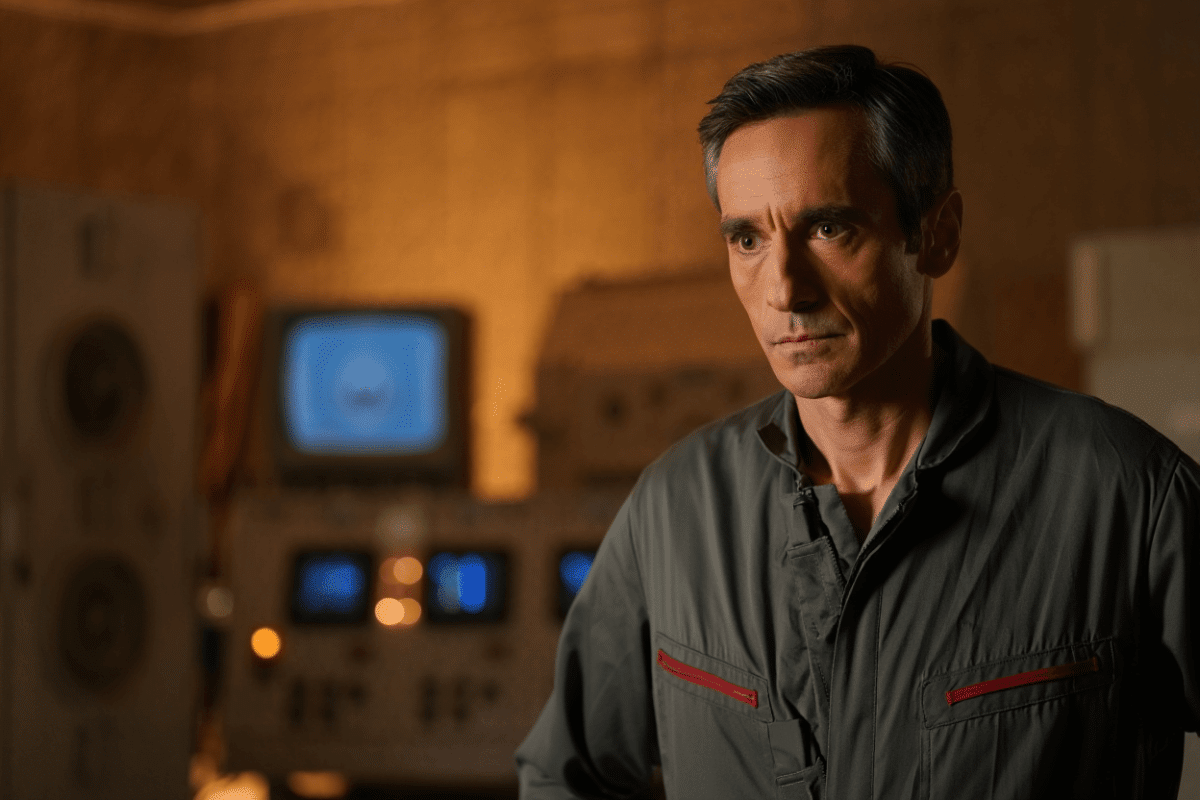
The ensemble reflects Moore’s casting sensibility. Rhys Ifans (known for character work in Game of Thrones, American Gangster) anchors the series as the Chief Designer—a position analogous to Sergei Korolev, the visionary engineer behind Soviet space achievements. Anna Maxwell Martin (acclaimed Bodyguard, Succession guest arc) portrays Lyudmilla, the KGB surveillance head—a role requiring intelligence, moral ambiguity, and calculated menace. Agnes O’Casey and Alice Englert round the core cast as engineers with competing loyalties.
| Production Element | Details |
| Created by | Ronald D. Moore, Ben Nedivi, Matt Wolpert |
| Showrunners | Ben Nedivi, Matt Wolpert |
| Executive Producers | Ronald D. Moore, Maril Davis, Andrew Chambliss, Steve Oster |
| Production Company | Tall Ship Productions, Sony Pictures Television |
| Total Episodes (Season 1) | 8 episodes |
| Release Pattern | 2 episodes May 29; weekly releases May 29 – July 10, 2026 |
“Star City is a propulsive, paranoid thriller that takes us back to the key moment in the alt-history retelling of the space race.”
— Official Apple TV+ series description
What Separates Star City from For All Mankind
For All Mankind spans decades, tracking multiple nations’ space programs across generations. Star City narrows its lens: a confined geographic setting (Soviet Union), a compressed timeline (key Cold War moment), and an internal-threat framework. While For All Mankind is expansive geopolitical drama, Star City functions as a pressure-cooker thriller. The paranoia isn’t merely external (beating America) but internal: rival Soviet factions, KGB surveillance, political purges, and ideological loyalty tests. Compare this torecent Apple hits featuring interconnected storylines—Star City deliberately isolates its cast within Soviet institutions, amplifying psychological tension.
This thematic focus explains the “paranoid thriller” label: characters cannot trust superiors, allies, or even family. Ambition requires compromise. Survival demands silence. Loyalty invites exploitation. Moore excels at this moral register, having mined similar territory in Battlestar where survivors aboard a fleet betrayed, deceived, and sabotaged one another under existential pressure.
Release Strategy and What to Expect
The two-episode premiere structure on May 29 gives viewers immediate narrative momentum. Episode 1 establishes stakes and character alliances; Episode 2 (likely) introduces the inciting incident—the competitive catalyst driving the season’s central conflict. Weekly releases through July 10 extend engagement over six weeks, allowing Apple to sustain viewing momentum through summer. This pacing mirrors For All Mankind‘s strategy: establish world, accelerate conflict, resolve (or complicate) by season’s end.
Industry analysts note that alternate-history dramas targeting adult audiences perform well on prestige-focused platforms. The Man in the High Castle (Prime Video), Timeless (NBC), and For All Mankind itself demonstrate sustainable audiences when production quality, casting, and thematic depth align. Star City checks all boxes: A-list director (Moore), established cast, premium production (Sony Pictures Television backing), and topical relevance (renewed Cold War scrutiny in 2026 geopolitics).
Why Star City Matters in 2026 Television
The show arrives in a moment when audiences hunger for complex international narratives and morally gray protagonists. American television historically centers American heroism; Star City destabilizes that reflexive bias. By dramatizing Soviet engineers and operatives as three-dimensional humans with legitimate grievances, family obligations, and intellectual pride, the series models empathy across ideological divides—a cultural function rarely attempted in Cold War fiction. The paranoia framework prevents sentimentality; characters remain flawed, complicit, and tragic.
For Apple, Star City expands For All Mankind into a full fictional universe, deepening subscriber investment. A successful season could spawn additional spinoffs (perhaps Chinese space program drama, or European initiatives in the For All Mankind timeline). This buildout justifies Apple’s continued premium investment in sci-fi prestige content.
Will You Watch Star City?
The core question for potential viewers: Are you drawn to Ronald D. Moore’s signature style—morally complex characters, political intrigue, philosophical stakes—or do you prefer more action-driven space narratives? Star City prioritizes character psychology and interpersonal tension over spectacle. Episodes likely emphasize dialogue, quiet betrayals, and internal conflict rather than explosive set pieces. For fans of Succession, Slow Horses, and Severance, this psychological intensity will resonate. For viewers seeking pure sci-fi adventure, the paranoid-thriller tone might demand patience.
The 8-episode structure also invites binge consideration: watch two episodes today to assess tone, then commit to weekly catchups if engaged. With no renewal announcement yet, season one functions as a contained narrative—Moore has crafted a complete story arc within these eight hours. That confidence suggests thematic and plot resolution, reducing cliffhanger fatigue.
Sources
- Apple TV Press — Official Star City announcement and production details (April 27, 2026)
- Wikipedia: Star City (TV series) — Cast, crew, and premiere information
- IMDb — IMDb rating, episode count, and production company details
- Variety — Cast additions and creative team information (February 2025)
- Space.com — Context on For All Mankind spinoff (February 27, 2026)