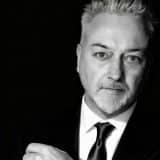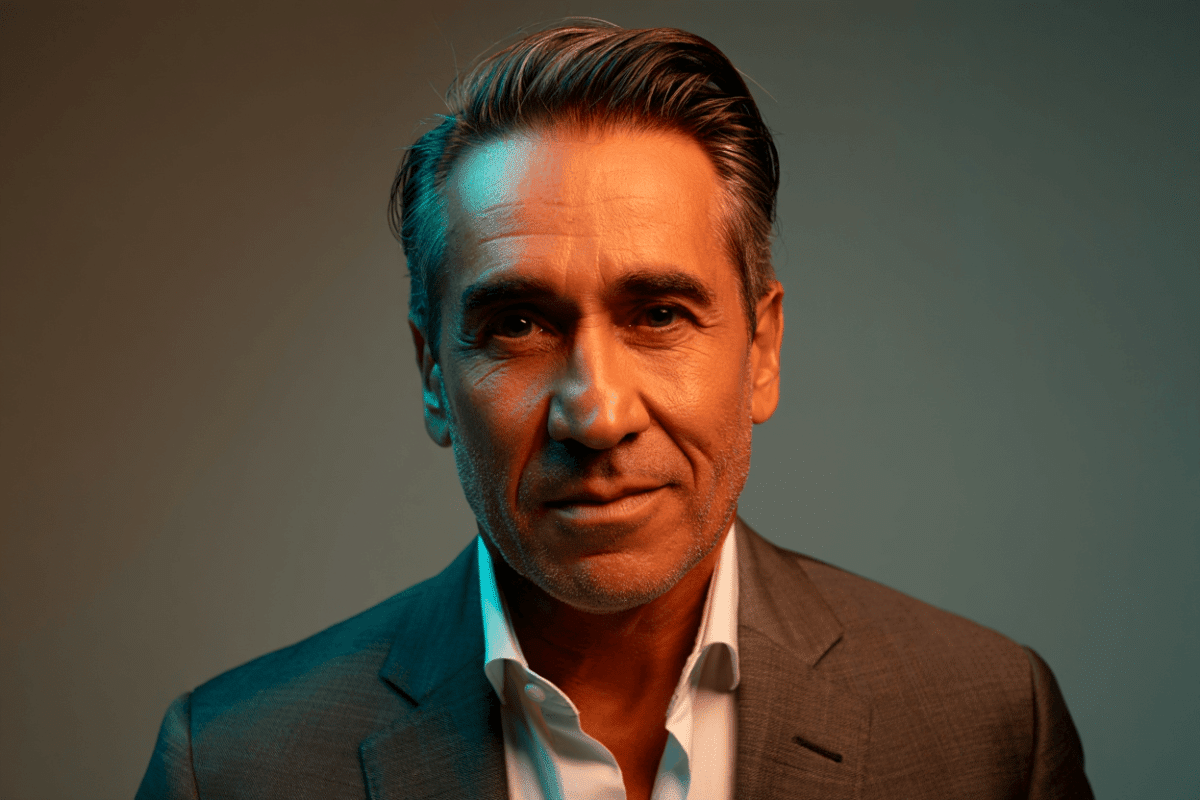
George Clooney announced in late April 2026 that he will reduce his acting roles to prioritize philanthropy, family life, and justice work. The Oscar-winning actor, approaching his 65th birthday, stated he is no longer chasing career success but rather seeking meaningful impact through his humanitarian initiatives. This strategic shift marks a significant turn for one of Hollywood’s most accomplished performers.
🔥 Quick Facts
- Clooney announced his pivot in April 2026 as he approaches his 65th birthday in May
- The Clooney Foundation for Justice operates in over 40 countries providing free legal aid
- Received the 51st Chaplin Award in April 2026 for humanitarian contributions
- Co-founded the foundation with wife Amal in 2016, expanding to education and justice initiatives
- New focus includes film education through partnership with Roybal School in Los Angeles
A Career Milestone Marks the Turning Point
Hollywood success came early for Clooney, but his humanitarian work has grown into a parallel legacy. For decades, he balanced blockbuster films with social activism, yet the scale has shifted dramatically over recent years. His decision to downscale acting reflects a broader pattern among aging superstars who choose impact over additional accolades. The timing aligns with several factors: his approaching 65th birthday, the establishment of his foundation’s proven track record, and a personal desire for family-centered living with his wife and twins.
Clooney’s statement emphasized clarity: he is not fully retiring from acting, but rather becoming selective about projects that align with his values. This measured approach differs from total career abandonment and suggests he will continue directing, producing, and appearing in films that interest him while dedicating substantial time to justice initiatives.
The Clooney Foundation’s Global Justice Mission
Since its founding in 2016, the Clooney Foundation for Justice has emerged as a serious force in international human rights advocacy. The organization operates on a straightforward model: provide free legal aid to victims of abuse of power, war crimes, and crimes against humanity. The foundation’s reach spans over 40 countries, making it one of the larger independent justice initiatives tied to a private donor.
The foundation’s programs include Waging Justice for Women, which trains gender justice advocates to combat human rights violations affecting women and girls globally. This initiative directly employs fellows who work in difficult regions, providing mentorship and resources to challenge entrenched injustices. Additionally, scholarships and fellowships support emerging advocates from marginalized communities. The 2026 cohort of Waging Justice for Women Fellows was already on the ground pursuing cases and advocating for policy change when Clooney made his career announcement.
Historical Context and Expertise Markers
| Initiative/Project | Launch Year | Focus Area |
| Satellite Sentinel Project | 2010 | Sudan/South Sudan conflict monitoring |
| Not On Our Watch | 2007 | Genocide prevention |
| Clooney Foundation for Justice | 2016 | Free legal aid, women’s rights, free speech |
| Roybal School Partnership | 2026 | Film and television education access |
Clooney’s activism predates his foundation by years. His 2010 trip to South Sudan inspired the Satellite Sentinel Project, co-founded with human rights activist John Prendergast. This initiative deployed satellite imagery to document potential atrocities in the region, pioneering a model for remote-sensing accountability that has influenced international justice documentation practices.
Beyond Acting: A New Chapter in Justice Advocacy
Clooney’s recent award of the 51st Chaplin Award in April 2026 recognized his dual contribution to both cinema and humanity. The award ceremony celebrated not just his film achievements but the consistency and scale of his philanthropic commitments. This recognition validated his shift away from pure entertainment toward impact work.
The new film school partnership signals his evolving role in the industry. Rather than pursuing leading roles, Clooney is investing in education infrastructure to support emerging filmmakers from underrepresented communities. The Roybal School of Film and Television in Los Angeles partnership represents a strategic investment in systemic change within the entertainment industry itself—training the next generation of diverse creators.
His wife, Amal Clooney, a renowned human rights lawyer, has been instrumental in shaping the foundation’s legal work. The partnership between Amal’s legal expertise and George’s platform and resources creates a rare combination of intellectual rigor and public leverage. Their joint efforts in refugee education, particularly in Lebanon and other conflict zones, have directly impacted thousands of displaced children.
“I want to work, but I don’t want to fill my life with work. I have a family I want to be present for, and I have commitments that matter beyond the movie screen. At this stage, it feels right to be intentional about where my time and energy go.”
— George Clooney, Interview, April 2026
What This Shift Means for Hollywood and Social Causes
Clooney’s transition could influence other high-profile actors currently balancing entertainment and activism. His explicit acknowledgment that career-chasing ends at a certain age provides permission for peers to prioritize legacy and impact over box office returns. This cultural moment—where an A-list actor openly steps back from acting to do justice work—signals shifting values among Hollywood’s old guard.
For organizations addressing human rights abuses, Clooney’s commitment provides continuity and growth. His foundation is not dissolving his involvement; it is deepening it. Full-time leadership attention on justice initiatives, freed from the demands of film production schedules, could accelerate case work, fellowship programs, and policy advocacy. The foundation’s budget and staffing can scale more aggressively when a co-founder is fully available to guide strategy and partnerships.
The entertainment industry may also feel the absence of a major star willing to consistently attach his name to justice advocacy. Clooney’s willingness to speak out on Sudan, Darfur, Syria, and other crises provided media visibility to causes that might otherwise lack celebrity attention. His reduced acting output may mean fewer opportunities for him to leverage film premieres and award shows as advocacy platforms.
Is This a Complete Goodbye to Hollywood, or Selective Engagement?
Clooney’s own language suggests intentional curation rather than total departure. He indicated he would continue acting in projects that genuinely interest him, directing, and producing. This measured stance reflects maturity about career sustainability and personal satisfaction. Total retirement would be a harder sell for someone who has publicly stated his love of film work.
What remains to be seen is whether his selective approach holds consistent over time. Will he choose one film per year? Every two years? Will producing and directing fill his creative needs, or will the pull of acting roles prove too strong? The entertainment industry’s project-based nature means opportunities will continue to arrive, and Clooney’s track record suggests he makes calculated decisions about which ones align with his values and available time.
One unpredictable factor: legacy roles could draw him back. If a director crafts a project specifically for him, or if a cause-driven film aligns perfectly with his justice work, Clooney has left room to say yes. This flexibility may prove more realistic than a hard rule against all acting work.
How Will His Foundation Work Evolve Without Film as a Platform?
The Clooney Foundation for Justice has benefited tremendously from George’s celebrity profile. Documentaries like the Netflix series addressing accountability mechanisms, partnerships with major media outlets, and access to influential networks—all leverage his fame. Stepping back from acting reduces that natural platform, but it also increases his availability for direct advocacy, legal strategy, and partnership cultivation in rooms where star power matters less than expertise and commitment.
His foundation’s next chapters may look different: more substantive policy work in international venues, deeper partnerships with established legal and humanitarian organizations, and less reliance on celebrity-driven fundraising. This maturation could actually strengthen the organization’s long-term sustainability and credibility.
Sources
- MSN News – April 29, 2026 reporting on Clooney’s announcement to scale back Hollywood work
- Clooney Foundation for Justice – Official organization data on mission, programs, and impact reach
- Film at Lincoln Center – 51st Chaplin Award announcement, April 2026
- United Nations – Documentation of Clooney’s role as UN Messenger of Peace
- Aurora Humanitarian Initiative – Background on Satellite Sentinel Project and co-founding with John Prendergast
- CBS Sunday Morning – Interview content regarding work-life balance philosophy