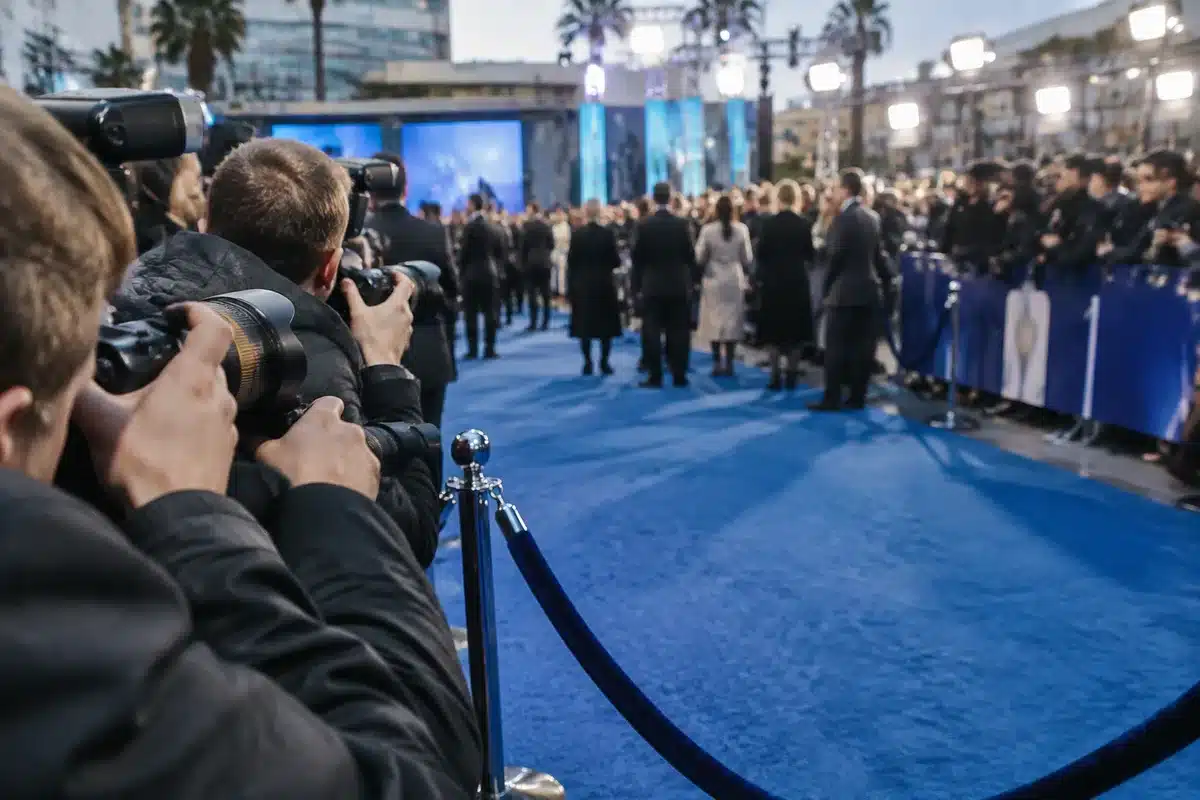
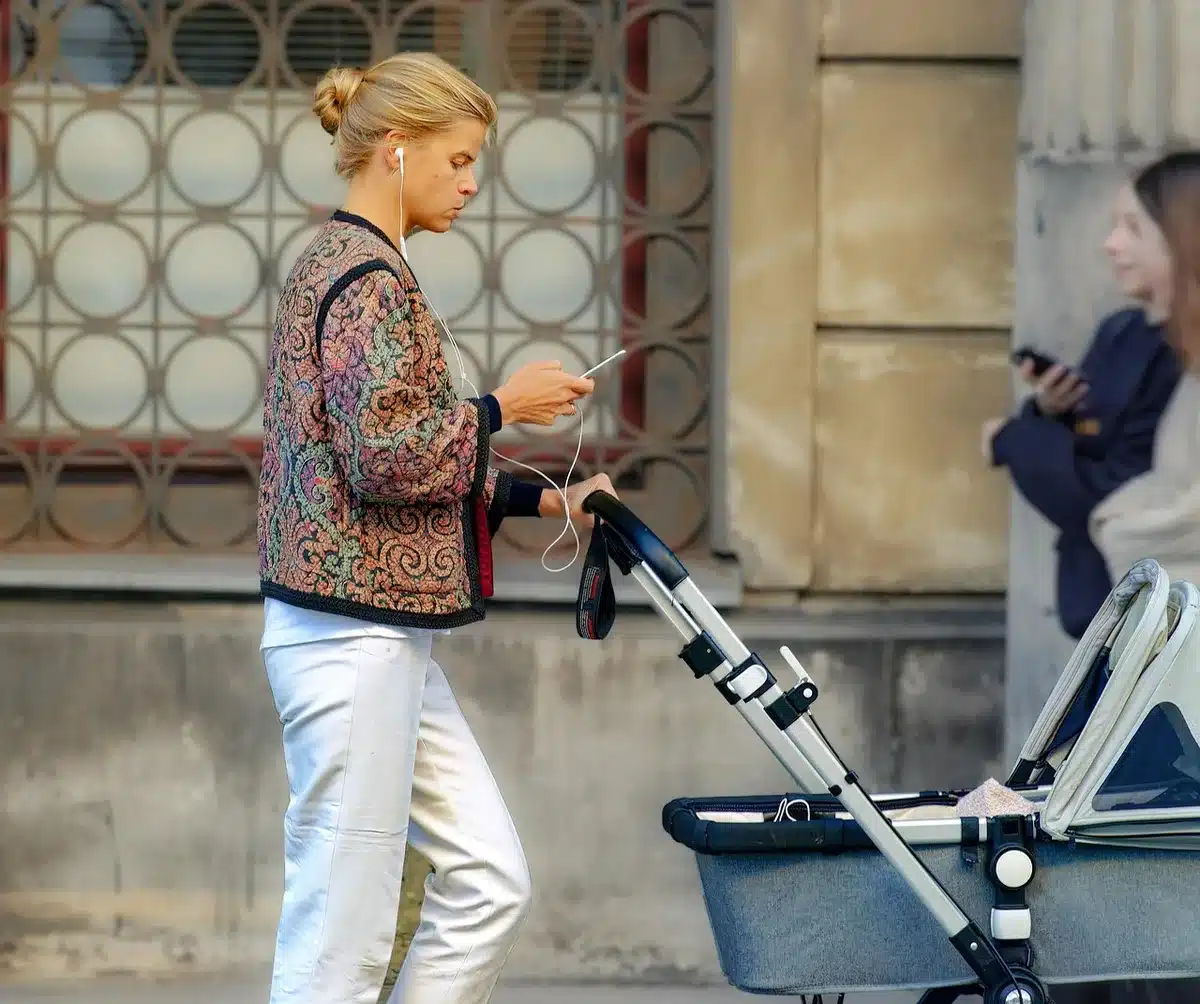
For a quarter-century, photographers have trailed Jennifer Garner on sidewalks, outside errands and at family outings — a pattern that raises a simple question: why does a famously low-key star still attract relentless attention? The answer lies less in scandal than in a mix of predictable visibility, market demand and the economics of celebrity photography that remain very much alive today.
Why the pursuit continues
Paparazzi follow celebrities because images sell. But not every famous face invites the kind of high-risk, headline-grabbing chases tabloids chase. Jennifer Garner’s case shows how a steady, unobtrusive presence can be just as commercially valuable as controversy.
Garner’s public life offers a combination publishers prize: approachable family moments, repeat appearances in plain clothes, and a reputation for being cooperative and photogenic without staged publicity. That makes her a low-friction source of daily content — exactly the kind agencies and lifestyle outlets need to feed social feeds and news cycles.
- Consistency: Daily, predictable sightings provide reliable content for outlets that operate on tight publishing schedules.
- Market demand: Readers click on candid family photos and “everyday life” images as much as on red-carpet drama, creating steady revenue streams.
- Low legal risk: Photographers and agencies favor subjects whose routines can be documented without the confrontation or legal exposure that comes with more sensational targets.
- Brand friendliness: A positive public image increases the likelihood that an outlet can reuse or license images across multiple platforms.
How the business side shapes what you see
Paparazzi operate in a fast-moving marketplace: editorial budgets, licensing fees, and the economics of social platforms all push photographers to capture and sell images quickly. Digital publishers and aggregator apps prize immediacy, and a daily shot of a familiar star can be repurposed across dozens of outlets.

That commercial logic means even celebrities who avoid controversy remain valuable targets. For outlets that rely on volume rather than exclusivity, a reliable stream of unobtrusive photos can outperform a single scandal-driven scoop.
Legal and ethical pressures are shifting, but slowly
In recent years, public debate about privacy, aggressive pursuit tactics, and the safety of celebrities and their families has intensified. Some jurisdictions have tightened rules around harassment and dangerous driving during celebrity chases, and court cases occasionally reshape newsroom practices.
Still, enforcement gaps and commercial incentives keep the industry resilient. Until regulatory changes, licensing standards among major outlets, or a wholesale change in audience appetite take hold, the economic drivers that sustain daily photo-chasing are unlikely to disappear.
What this means for celebrities and audiences
The pattern around a figure like Garner underlines a broader tension: celebrities may cultivate privacy and normalcy, but the market rewards visibility — even the quiet kind. For readers, this raises questions about consent and curiosity. For public figures, it highlights the limits of controlling a narrative when every errand can be content.
Practical takeaways for people who care about privacy or media ethics:
- Audience choices matter: outlets will publish what readers consume.
- Policy reform can reduce harm, but it requires targeted laws and consistent enforcement.
- Celebrities aiming for privacy may need long-term strategies — from legal action to selective public engagement — to change the pattern.
For now, the spectacle of daily celebrity photos is as much a business decision as it is a cultural one. Understanding that helps explain why photographers still follow figures who rarely make headlines: it’s profitable, predictable, and, for many media buyers, reliably clickable.