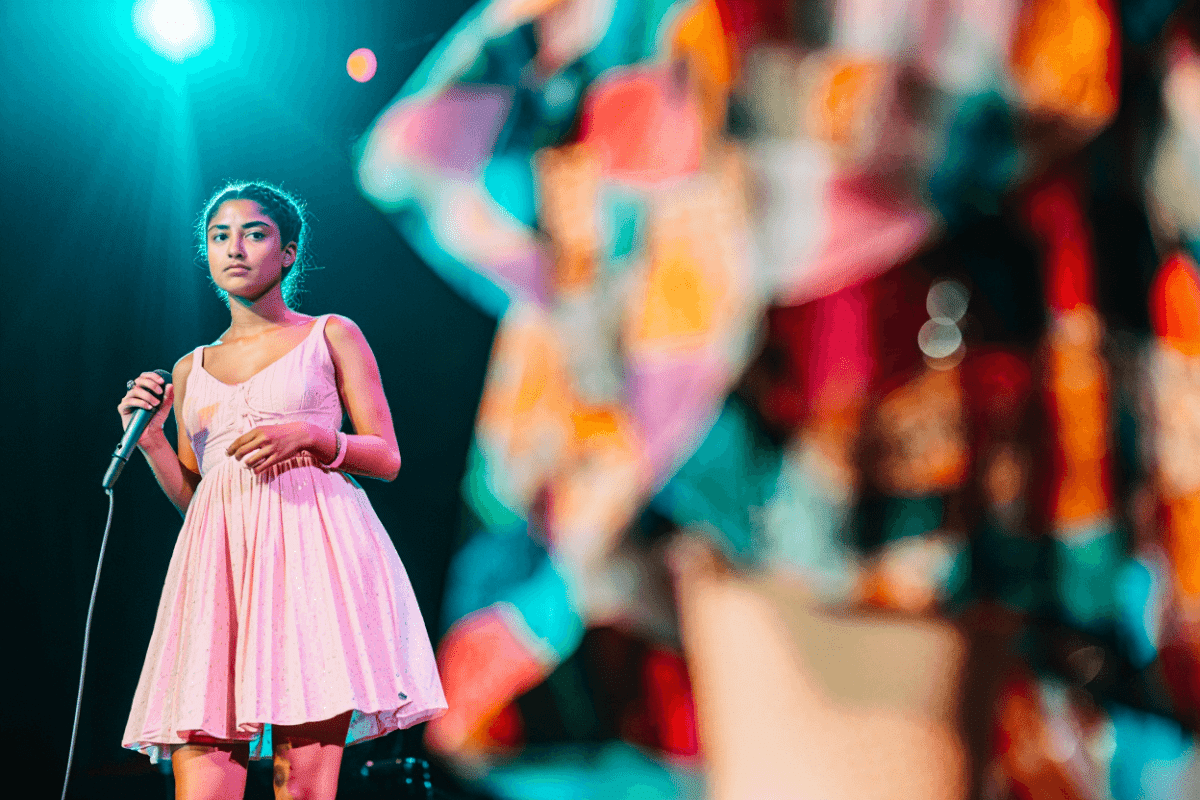
Olivia Rodrigo is defending her fashion choices amid online backlash over babydoll dresses she wore while debuting her new single “Drop Dead.” In a recent interview with The New York Times Popcast, the Grammy-winning artist addressed criticism head-on, stating that she “felt cool and comfortable” in the dresses and emphasizing that fashion choices should not be subject to sexualization narratives.
🔥 Quick Facts
- Rodrigo wore babydoll dresses during her “Drop Dead” single debut performance
- The backlash gained traction on social media in May 2026, with critics calling the style “infantilizing”
- Rodrigo cited Kathleen Hanna and punk/grunge aesthetics as inspiration for the look
- The controversy highlights broader cultural tensions around what young women can wear without judgment
The Dress that Sparked an Internet Debate
When Olivia Rodrigo performed in a floaty, feminine babydoll dress, the internet was divided. Critics claimed the style appeared “infantilizing” and “diaper-like.” Supporters countered that the look celebrates a retro aesthetic with roots in 1960s fashion history and was recently revived by artists like Sabrina Carpenter. The controversy reflects a larger cultural pattern: intense scrutiny of how young female musicians dress on stage.
The babydoll silhouette—characterized by a fitted bust with a loose, flowing skirt—has cycled through fashion for decades. Grunge icon Kathleen Hanna popularized the look in the 1990s, pairing it with combat boots and political statement wear. Rodrigo’s interpretation taps into that punk-inspired lineage rather than presenting a sexualized aesthetic, as defenders of her choice emphasize.
Rodrigo’s Direct Response to the Criticism
During her Popcast interview, released in May 2026, Rodrigo did not mince words about the discourse surrounding her outfit. She explained: “I’ve been on stage in a sparkly bra, little shorts, which is my right. That’s fun. I felt cool and comfortable in that.” She emphasized the distinction between comfort and intent, stating that wearing a babydoll dress was not an attempt to look “sexy,” but rather reflected her personal style choices.
The artist expanded on broader cultural issues in her critique. According to multiple sources covering her interview, Rodrigo suggested that the backlash reveals a problematic cultural tendency to sexualize young women’s bodies regardless of their intentions. She framed the criticism as hypocritical, questioning why her fashion choices were treated as provocative when similar styles are celebrated in other contexts. Her response resonates with ongoing conversations about how the industry treats female artists and their autonomy.
The Historical and Cultural Context of Babydoll Fashion
Fashion historians note that the babydoll silhouette carries significant cultural weight. The Guardian’s fashion analysis from May 2026 traced the trend’s roots to 1960s mod culture, when designers embraced playful, youthful aesthetics as a form of liberation. The shift represented a rebellion against rigid dress codes and body-shaming beauty standards of previous generations.
| Fashion Era | Babydoll Dress Context |
| 1960s Mod Movement | Youth rebellion against conservative dress standards |
| 1990s Grunge/Riot Grrrl Era | Kathleen Hanna and punk musicians reclaim it with combat boots |
| 2020s Pop Stars | Incorporated into stage aesthetics by Rodrigo, Carpenter |
The repetition of this pattern demonstrates that babydoll dresses continue to trigger cultural anxiety precisely because they blur boundaries between “innocence” and “agency.” Fashion scholars argue that women—especially young women—face impossible standards: their clothing is simultaneously judged for being too childish or too sexuality-focused, regardless of intent.
What This Moment Reveals About Pop Culture Double Standards
Rodrigo’s willingness to speak publicly about the backlash marks a notable shift in how young artists address criticism. Rather than apologizing or ignoring the discourse, she named the underlying problem: the tendency to blame women for how others perceive their bodies. Her framing suggests that the real issue isn’t the dress itself, but the culture that insists on finding something wrong with what young women choose to wear.
Industry observers note that male musicians and artists rarely face equivalent scrutiny for stage fashion choices involving skin or alternative aesthetics. This asymmetry reinforces what feminist fashion critics have long argued: female bodies are treated as inherently political, while male bodies are neutral. Rodrigo’s pushback challenges that framework directly.
“I felt cool and comfortable in that. And that wasn’t trying to be sexy or trying to be anything other than just… me expressing myself through fashion.”
— Olivia Rodrigo, from The New York Times Popcast interview, May 2026
The Broader Conversation About Young Female Artists and Agency
The babydoll dress discourse intersects with ongoing debates about artistic freedom and creative expression in the entertainment industry. Social media amplified the criticism, with thousands of posts analyzing every detail of Rodrigo’s outfit. Yet her response reframed the narrative: instead of defending the dress, she defended her right to wear what she chooses.
This approach aligns with broader movements centered on body autonomy and consent culture. By refusing to apologize, Rodrigo signals that young women’s fashion choices don’t require justification or explanation to satisfy external moral standards. The statement carries weight because it comes from someone with significant cultural influence in the music industry.
Will the Babydoll Dress Controversy Fade or Escalate?
Fashion trends tied to controversy often become more polarizing rather than less. If history provides guidance, the babydoll style will likely continue to divide opinions as it gains visibility. Rodrigo’s articulate defense offers a template for other young artists facing similar judgment. The question remains: will the mainstream media shift its focus away from policing women’s clothing choices toward more substantive conversation about artistry and impact?
What aspects of this controversy resonate most with you—the fashion choice itself, the social media backlash, or Rodrigo’s reframing of the debate around consent and autonomy? Her willingness to engage suggests the conversation is far from over.
Sources
- The Hollywood Reporter – Olivia Rodrigo’s statement on babydoll dress criticism and culture normalization
- Variety – Interview coverage with Kathleen Hanna inspiration reference
- NBC News – Pop culture analysis of the babydoll dress backlash
- The New York Times Popcast – Original interview featuring Rodrigo’s direct comments
- The Guardian Fashion – Historical context of babydoll fashion trends since 1960s
- USA Today – Coverage of normalized pedophilia cultural critique
- Who What Wear – Fashion analysis of summer 2026 babydoll trend controversy