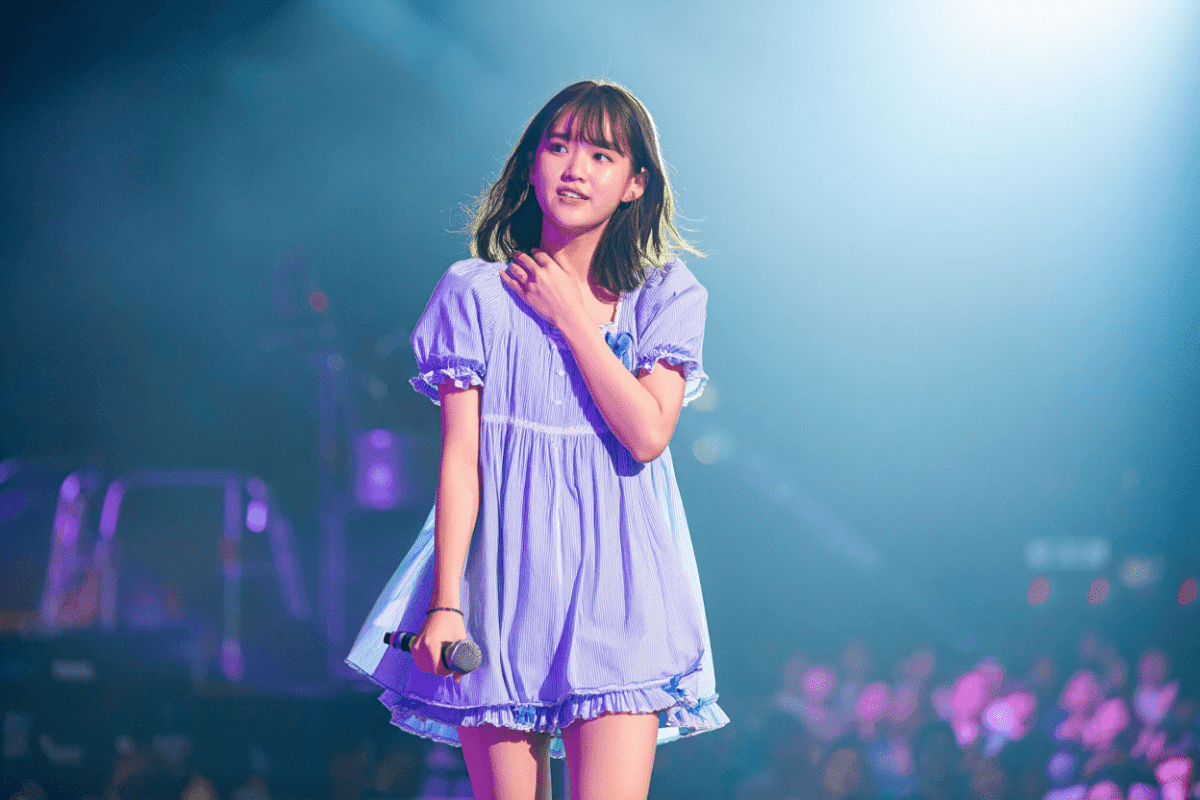
Olivia Rodrigo’s defense of her babydoll dress choice marks a significant moment in the ongoing cultural conversation about women’s fashion autonomy versus moral policing. On May 27, 2026, the 23-year-old singer addressed widespread online criticism of her recent performances, asserting that the backlash reveals deeper societal issues about how women’s clothing is sexualized rather than celebrating female self-expression.
🔥 Quick Facts
- Controversy began in early May 2026 when Rodrigo wore a babydoll dress during performances.
- Critics labeled the choice as “infantilizing” and accused her of inappropriate self-presentation.
- Rodrigo stated that the backlash “shows how we really normalize pedophilia in our culture.”
- The dress style has deep roots in 1990s riot grrrl culture and punk fashion movements.
- Fashion historian perspective: the babydoll dress remained a subversive statement since its creation.
The Timeline: When Criticism Sparked the Debate
Rodrigo’s babydoll dress controversy emerged during her 2026 concert performances, particularly following her Barcelona show on May 9. The fully-covered vintage-inspired dress with puffed sleeves and bloomers was designed to channel 1990s nostalgia, a styling choice consistent with her evolving era. Within hours, social media platforms exploded with polarized reactions, with detractors claiming the aesthetic was inappropriate and others defending it as harmless fashion expression.
The backlash intensified when critics claimed Rodrigo’s look promoted “infantilization,” a term suggesting that feminine, youthful-coded clothing inherently sexualizes the wearer. However, supporters quickly countered that this argument flips personal responsibility—attributing inappropriate viewership to the wearer rather than to those projecting negative interpretations onto innocent clothing choices.
Rodrigo’s Defense: Calling Out Double Standards
Rodrigo’s May 27 response cut to the core issue with remarkable clarity. According to multiple interviews released that day, the singer emphasized, “I have worn outfits that are maybe revealing on stage, which is my right.” She clarified that she felt fun, comfortable, and confident in the babydoll dress—a fully covered, modest garment by any objective standard.
Most significantly, Rodrigo argued the criticism “normalizes pedophilia in our culture.” Her logic: when society begins policing women’s clothing choices and attributing sexualization to innocent garments, it suggests that women are responsible for how others perceive them. This places the burden of preventing unwanted sexualization on women rather than on those who engage in inappropriate behavior. “You shouldn’t be responsible for some guy sexualizing you,” she stated—a direct inversion of the moral panic surrounding her fashion choice.
Historical Context: The Babydoll Dress and Riot Grrrl Legacy
Understanding why Rodrigo’s defense resonates requires examining the babydoll dress’s historical significance. The garment did not originate as “infantilizing” attire—it emerged as a deliberate act of rebellion by punk and riot grrrl artists in the 1990s, including influential figures like Courtney Love and members of Hole.
Riot grrrl feminists adopted the babydoll dress intentionally to subvert male expectations about sexuality and femininity. By pairing sweet, traditionally feminine aesthetics with aggressive punk politics and raw performance, these artists reclaimed infantilized imagery as a tool of empowerment. The juxtaposition—dressing in what society deemed “cute” while delivering uncompromising artistic statements—became a powerful statement about women’s autonomy over their own identities.
Contemporary fashion historian sources confirm that the babydoll silhouette has remained subversive since its creation, consistently used by artists seeking to challenge conventional ideas about how women “should” present themselves. The style has appeared on prestigious runways, including Miu Miu and Chloé spring/summer 2026 collections, positioning it as mainstream fashion rather than niche rebellion.
The Polarization and What It Reveals About Culture
| Perspective | Key Arguments | Underlying Concern |
| Critics | Babydoll dresses are infantilizing; inappropriate for stage | Misguided concern about child safety |
| Defenders | Fashion is personal expression; policing clothes enforces regressive standards | Women’s autonomy over self-presentation |
| Fashion Historians | Babydoll dresses carry subversive tradition; dress itself cannot be inappropriate | Freedom of artistic expression rooted in punk ideology |
| Gender Studies Scholars | Moral panic over feminine clothing reflects misogyny, not protection | Accountability rests with those who sexualize, not with those being sexualized |
The reaction to Rodrigo’s outfit choice serves as a cultural Rorschach test—what people see reveals their own assumptions about innocent imagery, sexuality, and women’s responsibility for how they are perceived. Media analysis from The Atlantic highlighted that reasonable adults landed on opposite sides of the debate depending on their fundamental worldview about gender, clothing, and accountability.
“The babydoll dress has long been an indicator of people’s views about innocence and sexuality. One person’s youthful expression is another’s sexualized presentation. The garment itself is neutral—the interpretation is not.”
— Cultural analysis, The Atlantic, May 2026
What This Means for Women’s Fashion Agency Going Forward
Rodrigo’s response carries implications beyond one artist’s wardrobe choice. Her defense establishes a clear framework: women are not responsible for policing their own bodies or clothing to prevent others’ inappropriate thoughts. This reframes the entire conversation from “Is this dress acceptable?” to “Why do we police what women wear?”
The moment also highlights the difference between protection-based concerns (which are legitimate) and control-based policing (which is not). A fully-covered vintage dress worn by a 23-year-old professional performer poses no objective danger. Criticizing it because of what viewers might project onto it places the moral burden exactly where feminist theory argues it should not be—on the woman being viewed rather than on those doing the viewing.
Additionally, Rodrigo’s invocation of the babydoll dress’s punk roots reminds audiences that this isn’t a new silhouette nor an edgy provocation. It’s a decades-old garment with legitimate artistic lineage, and wearing it represents continuation of punk and riot grrrl traditions of female creative agency.
How Does This Conversation Connect to Broader Fashion Discourse?
The babydoll dress resurgence in 2026 is not exclusive to Rodrigo. Major fashion houses including Miu Miu and Chloé featured the silhouette in spring/summer collections, and celebrities across the industry have embraced the trend. This raises the question: Why did Rodrigo’s choice spark such intense backlash while the same garment on runway models received fashion praise?
The answer suggests that backlash stems not from the garment itself but from gendered expectations around pop music performers. Rodrigo has frequently challenged these expectations—she began her touring career wearing everything from sparkly bras and short shorts to avant-garde stage pieces. The babydoll dress, by comparison, is remarkably modest and historically grounded. Yet its critique reveals how women performers remain more heavily scrutinized than their fashion-world counterparts for the same clothing choices.
Where Does This Conversation Go Next?
Rodrigo’s defense may establish a new standard for how young female artists respond to wardrobe criticism. Rather than apologizing for fashion choices or quietly changing her styling, she named the underlying issue: judging women’s bodies and clothing through a sexualizing lens. This represents a significant shift from prior eras when pop stars frequently capitulated to public pressure, issuing apologies and changing their aesthetic.
The conversation also invites societal reckoning about how protective concerns become cover for control. When fully clothed women are criticized for “infantilizing” themselves, it’s worth asking whether protection is the actual motivation or whether something else—discomfort with women’s agency, nostalgia policing, or generational anxiety—is at play.
Sources
- Variety — Rodrigo’s statements on babydoll dress criticism and cultural normalization of pedophilia
- USA Today Opinion — Contextual analysis of babydoll dress as established fashion statement
- Harper’s Bazaar — Historical linchpin of babydoll dress in riot grrrl and punk movements
- The Atlantic — Cultural analysis of how dress perceptions reflect individual worldviews
- Cosmopolitan — Fashion industry perspective on sexualization versus self-expression
- Instagram/Reddit — Direct quotes from Rodrigo’s statements to interview outlets