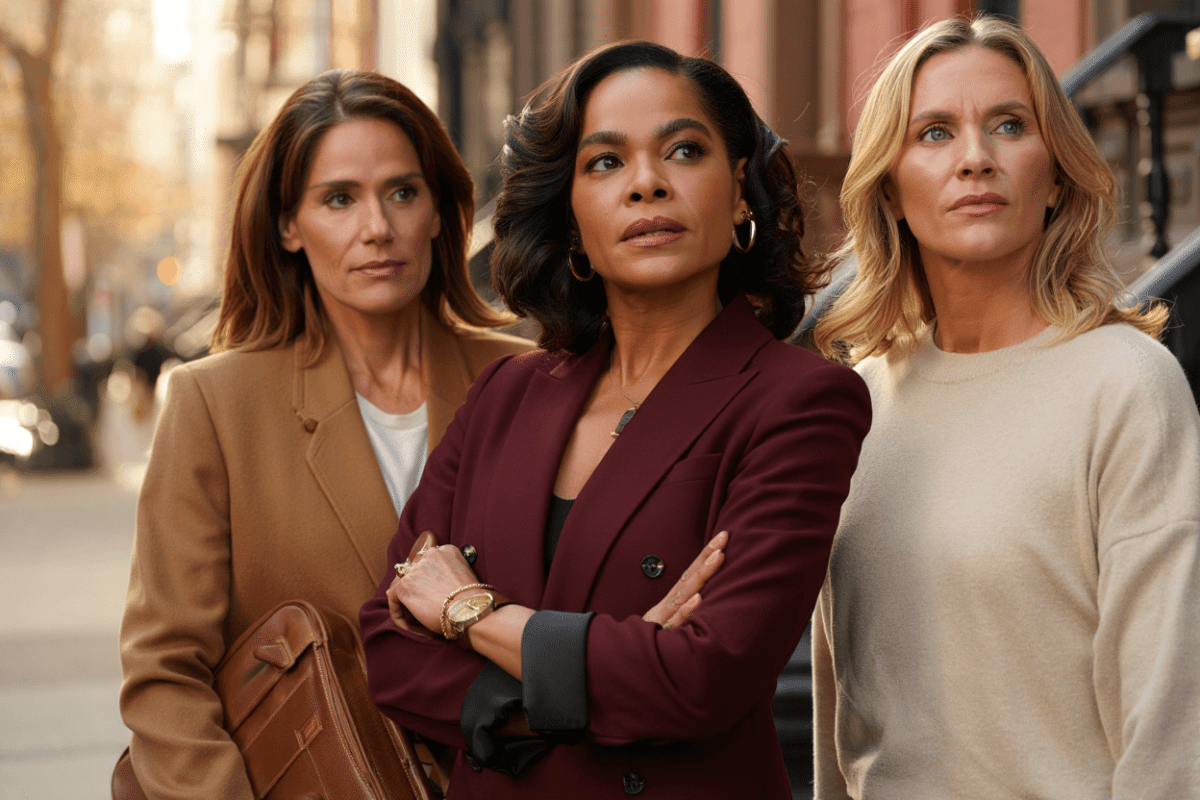
And Just Like That concluded with a two-part series finale on August 7 and August 14, 2025, bringing an end to the Sex and the City franchise after 27 years of television storytelling. The finale episode, titled “Better Than Sex,” marked the definitive conclusion to Carrie Bradshaw’s journey, with showrunner Michael Patrick King officially confirming no future seasons will follow.
🔥 Quick Facts
- The series finale aired on August 14, 2025, concluding the three-season revival.
- Season 3 featured 12 episodes, the most of any season in the revival series.
- Sarah Jessica Parker, Cynthia Nixon, and Kristin Davis starred as the three main characters.
- The finale drew criticism and praise for Carrie’s solitary ending narrative.
The End of an Era: 27 Years of Sex and the City
The final episode represents the culmination of nearly three decades of storytelling that began with the original HBO series in 1998. The franchise expanded through two theatrical films and now the Max revival spanning three seasons from 2021 to 2025. Michael Patrick King, who created the revival, announced the end in August 2025, stating this was the appropriate moment for closure. The original Sex and the City ran for six seasons with 94 episodes, while And Just Like That delivered an additional 30 episodes across three seasons.
The decision to end reflected both creative vision and audience response. King emphasized that concluding after season three provided “a wonderful place to stop,” honoring both the legacy and the characters’ arcs during this chapter of their lives.
Carrie’s Journey: Independence Reimagined
The season three finale centered entirely on Carrie Bradshaw’s evolution as a protagonist. Throughout the revival, her character grappled with loss following Big’s death in the season one premiere. The final episode positioned her as a woman redefining independence and solitude not as romantic failure, but as authentic fulfillment. Sarah Jessica Parker delivered an introspective performance as Carrie rewrote the epilogue to her published novel.
The climactic montage showed each woman in separate homes: Miranda exploring her identity as a queer woman, Charlotte embracing domesticity and parenting, and Carrie alone in her Manhattan townhouse with pumpkin pie. Her final novel epilogue read: “The woman realized she was not alone — she was on her own.” This message attempted to reframe solitude as empowerment rather than tragedy, though critics debated whether the execution succeeded.
Critical Reception and Cultural Response
The finale generated divided reactions from audiences and critics. Some praised the attempt at a mature, nuanced ending that prioritized self-actualization over romantic resolution. Entertainment outlets noted the episode’s willingness to end the franchise without a traditional coupling or dramatic resolution. Cynthia Nixon posted a heartfelt goodbye to the series, calling the experience transformative for exploration of Miranda’s identity arc.
However, significant criticism emerged regarding pacing and character arcs. Critics noted that season three felt rushed, with major storylines compressed into 12 episodes. IndieWire and Slate published scathing reviews, describing the finale as incoherent and a disservice to the Sex and the City legacy. New York Times coverage emphasized the bittersweet quality—acknowledging both triumph and disappointment in the concluding chapter.
Character Resolutions Across the Main Cast
Each of the three leads received distinct narrative conclusions. Miranda Hobbes, played by Cynthia Nixon, achieved self-discovery as a lesbian woman finding her authentic voice. Charlotte York MacDougal, portrayed by Kristin Davis, remained anchored in her marriage and parenting responsibilities while continuing to navigate her identity. Carrie emerged as a published author but fundamentally alone, grappling with whether that represented victory or loss.
The absence of Samantha Jones remained conspicuous throughout. Kim Cattrall refused to return for the revival, declining the season three opportunity despite a brief cameo in season two. This absence shaped how the trio functioned narratively, forcing exploration of female friendship without the fourth dynamic that characterized the original series.
The Franchise’s Cultural Legacy
Sex and the City revolutionized television representation of female sexuality and urban sophistication starting in 1998. The original series earned seven Emmy Awards and launched two movies that grossed over $400 million worldwide. The franchise became a cultural touchstone for examining relationships, ambition, and female friendship through a lens that normalized frank discussions of desire and independence.
And Just Like That attempted to age the characters authentically, exploring menopause, widow grief, recovery, and redefinition in middle age. Sarah Jessica Parker emphasized that maturity shouldn’t imply stasis or diminishment. Yet the revival faced criticism for not fully delivering on those promises, with many viewers feeling the original series offered richer storytelling despite its own flaws.
What Comes Next for the Sex and the City Universe?
Michael Patrick King firmly stated that the franchise will not continue beyond season three. No spin-offs, reboots, or limited series are in development. Max, the streaming home of And Just Like That, has not announced alternative projects set in the Sex and the City universe. The decision represents finality rather than a hiatus—King framed the ending as definitive.
Fans divided into camps: those mourning the departure of beloved characters and those relieved the franchise concluded rather than deteriorate further. The finale’s mixed reception suggests audiences may welcome the closure, as extended storytelling risks diminishing the original series’ impact. The 27-year journey from 1998 to 2025 covered significant ground, and many viewers prefer remembering the franchise at its conclusion rather than watching continued decline.
Will We Ever See These Characters Again?
The finality of August 14, 2025 remains absolute, absent any dramatic reversal from HBO Max executives or King himself. The franchise’s ending allows the characters to rest in resolution rather than limbo. Sarah Jessica Parker, Cynthia Nixon, and Kristin Davis have moved forward to new projects, signaling genuine closure rather than intentional gap-season strategy. Whether future generations desire a reboot or revival remains an open question, but for now, Carrie Bradshaw has written her final column.
Sources
- Deadline – Michael Patrick King’s official statement on the series finale and franchise conclusion
- The New York Times – Series finale recap and analysis of Carrie Bradshaw’s ending
- Variety – Coverage of the announced series end and final season details
- Entertainment Weekly – Season 3 premiere and finale episode coverage
- People Magazine – Cast reactions and behind-the-scenes finale details
- BBC News – International coverage of the Sex and the City franchise conclusion