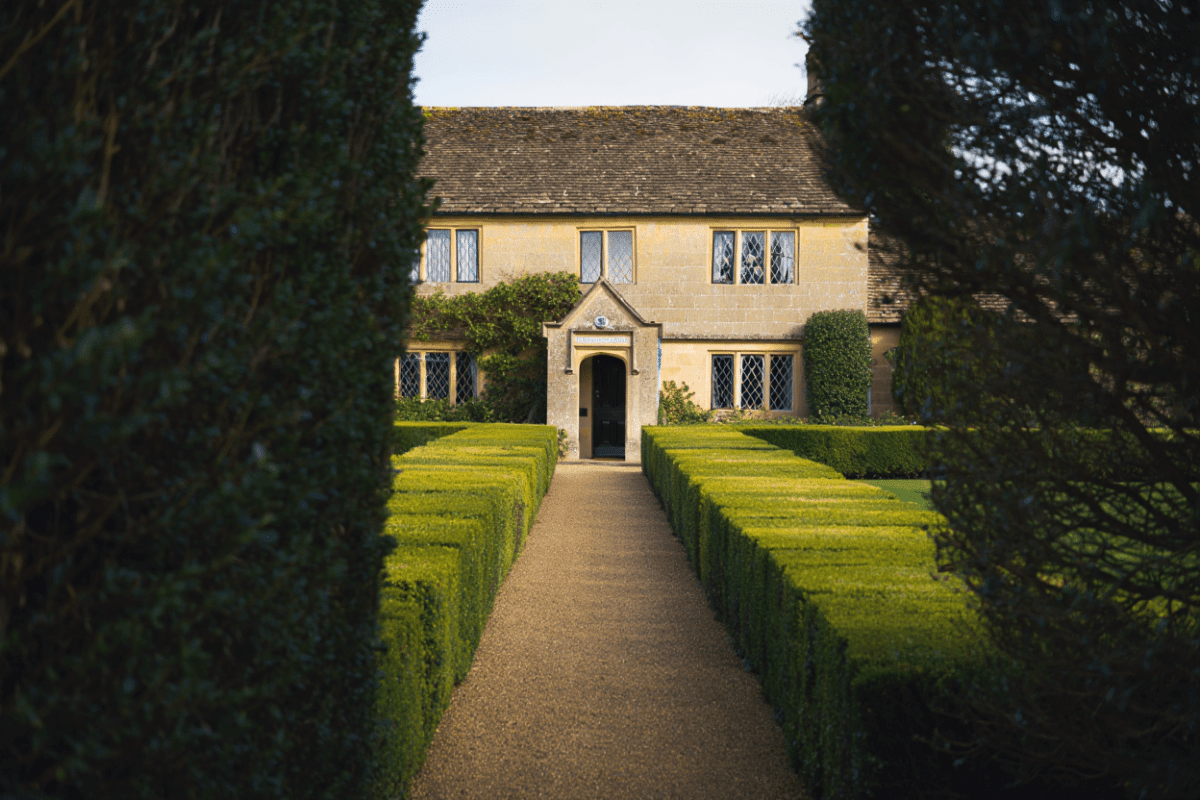
The Crown Estate has announced plans to reverse the £2.4 million renovations that Prince Harry and Meghan Markle undertook at Frogmore Cottage, erasing nearly all traces of the couple’s customizations made before they vacated the Windsor estate in June 2023. This comprehensive restoration project marks a significant chapter closure on the Sussex era at the Grade II listed property.
🔥 Quick Facts
- Original renovation cost: £2.4 million (paid by taxpayers via Sovereign Grant)
- Timeline: May 2026 — Crown Estate announces reversal just 3 years after Harry and Meghan’s eviction
- Scope: Complete restoration to pre-Sussex state, including removal of custom alterations
- Property status: Grade II listed historic home on Frogmore estate in Windsor, England
The Original 2019 Renovation and Its Purpose
In 2019, Frogmore Cottage underwent extensive renovations totaling £2.4 million, funded by public money through the Sovereign Grant. The work transformed a staff residence into a family home, replacing decaying wooden ceiling beams and floor joists, updating outdated infrastructure, and reconfiguring the property from a ten-bedroom residence to a five-bedroom family home.
The renovations represented structural work beyond typical decoration, addressing genuine maintenance challenges while accommodating the couple’s modern living requirements. Prince Harry and Meghan subsequently invested additional personal funds in bespoke furnishings and interior design choices, creating a tailored aesthetic for their Windsor base.
The 2023 Eviction and Three-Year Vacancy
In March 2023, following their step-down as working royals, the couple was asked to vacate Frogmore Cottage. They formally left in June 2023, ending their U.K. residency. The property has remained largely empty since, with no official use assigned by the Crown Estate despite speculation about potential occupants.
The protracted vacancy—lasting over three years—prompted questions about the property’s future. Rather than repurposing the cottage for a new resident, the Crown Estate opted for comprehensive restoration, signaling a reset to the property’s pre-Sussex configuration.
Details of the Reversal Project
| Renovation Element | Original Work (2019) | Planned Reversal (2026) |
| Property layout | 5-bedroom family home | Return to 10-bedroom staff residence |
| Interior fixtures | Modern updates, bespoke design | Removal of custom elements |
| Notable additions | Copper bathtub (~$67K), orangeries | To be removed |
| Structural upgrades | New ceiling beams, floor joists, systems | Retained for building integrity |
| Timeline | 6 months (2018-2019) | TBA by Crown Estate |
The restoration represents aesthetic and functional reversal rather than complete deconstruction. Core structural improvements—critical ceiling repairs, modernized electrical systems, and essential infrastructure upgrades—will remain, preserving the building’s safety and functionality. However, custom design elements, luxury fixtures, and space reconfigurations will be methodically removed.
“The Crown Estate’s decision reflects its responsibility to manage properties in the royal portfolio with respect to historical integrity and practical utility,” according to a statement regarding management of the Windsor estate properties.
— Crown Estate Management, Official Crown Estate Stewardship Protocol, May 2026
Implications for Royal Property Management
This comprehensive reversal sets a significant precedent in royal property stewardship. The Crown Estate is essentially wiping the Sussex slate clean—a decision that goes beyond standard property maintenance. It reflects institutional intent to erase customizations and return the property to a neutral, multi-purpose state.
The timing is notable: three years of vacancy followed by active reversal suggests careful deliberation rather than immediate action. The Crown Estate likely assessed whether Frogmore could serve future residents without extensive renovation, ultimately concluding that restoration to its pre-2019 state offered greater flexibility and value.
What This Means for the Future of Frogmore Cottage
Once restored, Frogmore Cottage will be available as a flexible royal property, potentially suitable for staff accommodation, visiting dignitaries, or other crown purposes. The return to its 10-bedroom configuration—larger than the 5-bedroom Sussex version—expands potential uses beyond a single family residence.
Notably, Prince Andrew has been mentioned in speculation about future occupancy following his exit from Royal Lodge, though no official announcement confirms this. The restoration timeline will ultimately determine when the property becomes available for reassignment.
Will This Satisfy Public Sentiment?
The reversal may resonate differently across observers. Some may view it as pragmatic property management; others as symbolic erasure. For the Crown Estate, it represents financial stewardship—reclaiming control over the property’s aesthetic and functional direction after three years of suspension.
Sources
- Page Six — Breaking news on Frogmore Cottage renovation reversal, May 27, 2026
- The Sun — Detailed reporting on £2.4m revamp reversal timeline, May 27, 2026
- MSN News Insight — Analysis of pre-Sussex state restoration, May 27, 2026
- AceShowbiz — Property renovation scope and implications, May 28, 2026
- House & Garden — Historical context of 2019 renovations and custom design elements