Robert Redford’s legacy extends far beyond his iconic acting career—he fundamentally transformed independent cinema by founding Sundance Institute in 1981 and creating dedicated filmmaking labs that nurtured an entire generation of ground-breaking directors. At the 2026 Sundance Film Festival, held in Park City, Utah, filmmakers worldwide honored Redford’s mentorship approach, crediting his vision for empowering independent voices that reshaped how stories reach audiences.
🔥 Quick Facts
- Founded Sundance Institute in summer 1981 with a mission to foster independent creativity
- Mentored Oscar-winning directors including Quentin Tarantino, Chloé Zhao, Paul Thomas Anderson, Ryan Coogler, and Steven Soderbergh
- Tarantino attended Sundance Directors Lab in 1991 while developing his breakthrough film Reservoir Dogs
- 2026 Sundance marked a historic final Park City event before the festival relocates to Colorado
The Blueprint for Independent Filmmaking
Redford’s vision emerged from a specific philosophy: independent cinema required more than opportunity—it needed community, mentorship, and a dedicated space insulated from commercial Hollywood pressures. In 1981, he established the nonprofit Sundance Institute at his mountain property in Utah, creating what would become the gold standard for filmmaker development programs.
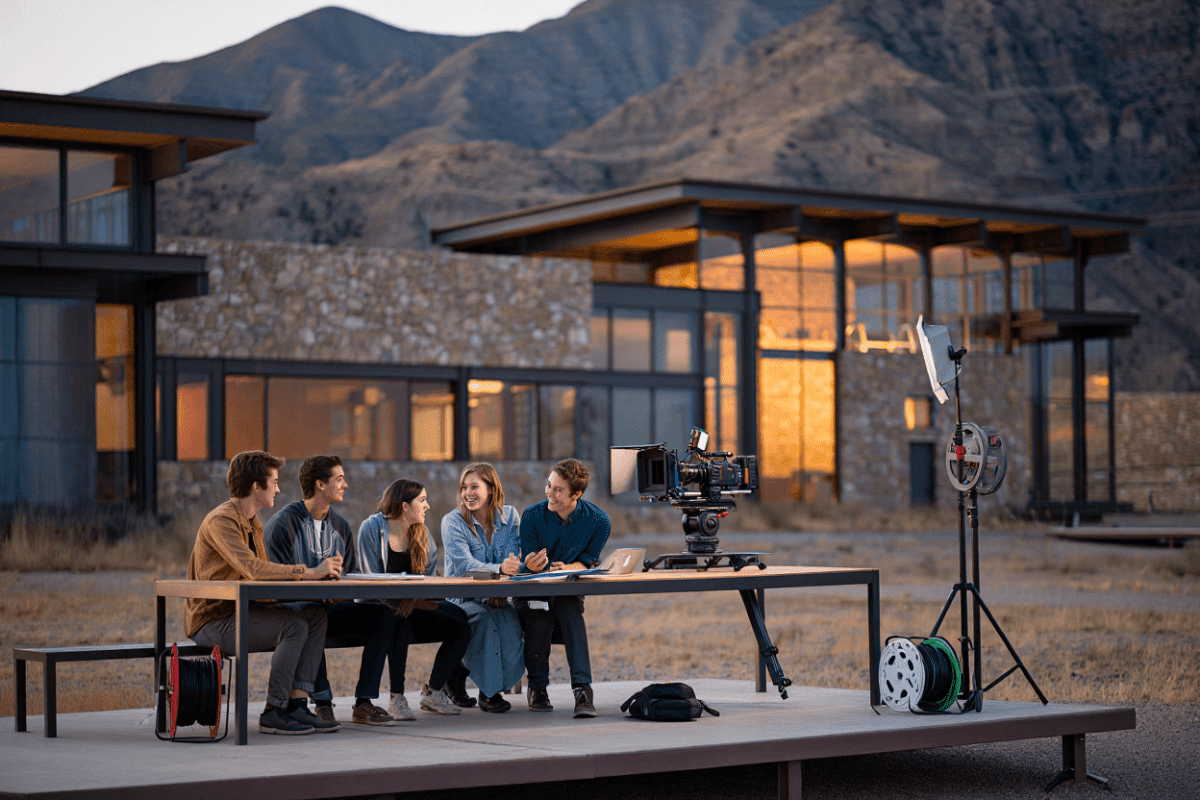
Unlike traditional studio systems that gatekeep storytelling, Redford’s approach emphasized accessibility. He established signature labs including the Directors Lab, Screenwriters Lab, and Producers Lab—intensive residency programs where emerging artists received direct feedback from established industry figures. This infrastructure made Sundance not just a festival but a year-round incubator for independent voices.
Legendary Directors He Shaped
The impact of Redford’s mentorship becomes undeniable when examining the careers he directly influenced. Quentin Tarantino attended the Sundance Directors Lab in 1991, a turning point when his debut feature Reservoir Dogs was still in development. Tarantino later publicly credited Redford’s Institute as instrumental to his directorial evolution.
Chloé Zhao, now an Oscar-winning filmmaker (nominated for Nomadland), developed her distinctive visual language through Sundance’s labs. Paul Thomas Anderson, Ryan Coogler, and Steven Soderbergh similarly benefited from Redford’s institutional support at critical career moments. These directors now collectively represent some of contemporary cinema’s most artistically ambitious voices—a direct result of Redford’s commitment to artist development over commercial calculation.
The Sundance Ecosystem and Global Impact
| Element | Impact |
| Directors Lab | Intensive mentoring for emerging feature directors; alumni lead contemporary cinema |
| Screenwriters Lab | Story development program producing critically acclaimed screenplays |
| Producers Lab | Business and creative training for independent producers; builds diverse production leadership |
| Film Festival (Annual) | Largest independent film festival in the US; launchpad for 100+ films annually |
| New Frontier Program | Supports experimental storytelling including VR, digital media, and innovative formats |
| Episodic Storytelling Initiative | Extends mentorship model to television and streaming fiction development |
Sundance’s footprint extends across every major media format. The 2026 festival hosted seven films with Scottish connections among 100 featured films, reflecting Redford’s commitment to global storytelling. The institute’s programs now operate year-round across multiple continents, proving that Redford’s initial vision transcended a single mountain location to become an international catalyst for independent cinema.
“For me, it was a sense of place, a sense of home, a sense of community. I wanted independent artists to have a place where they could feel supported and develop their craft.”
— Robert Redford, on founding Sundance Institute vision
Strategic Mentorship: Redford’s Artist-First Philosophy
Redford’s approach differed fundamentally from conventional industry mentoring rooted in commercial viability. He prioritized artistic authenticity and creative risk-taking, believing that cinema without art “will die.” This philosophy meant supporting projects that major studios considered unmarketable—precisely the independent voices that later redefined contemporary filmmaking.
The 2026 Sundance gala reflected this legacy. Generations of filmmakers—actors, producers, screenwriters—testified that Redford’s mentorship extended beyond institutional support to personal encouragement. He attended labs, reviewed work, and provided direct artistic guidance, treating emerging directors as collaborators rather than applicants. This hands-on mentorship model became Sundance’s signature approach, replicated across thousands of mentor-artist relationships since 1981.
The 2026 Sundance Tribute and Institutional Continuity
In January 2026, Sundance hosted “Celebrating Sundance Institute: A Tribute to Founder Robert Redford.” The event marked both a celebration and a transition point. The festival was relocating from its historic Park City, Utah home, making the 2026 event the final ceremony at the original location where Redford’s vision first materialized nearly five decades earlier.
The inaugural Robert Redford Luminary Award was announced, honoring artists who embody Redford’s commitment to independent storytelling and mentorship. This formal recognition ensures that Redford’s values—artist development, creative independence, and world cinema diversity—remain central to Sundance’s mission even as the institution evolves and expands.
What Does Redford’s Legacy Mean for Future Filmmakers?
The question facing emerging directors today asks whether independent cinema can sustain without Redford’s personal involvement. The answer reflects his most significant achievement: he systematized mentorship. Rather than creating a personality cult around himself, Redford built institutional structures—labs, festivals, grant programs, and networks—that amplify emerging voices regardless of his direct participation.
Future filmmakers inherit not just Sundance’s filmmaking labs but a proven methodology for nurturing originality in an entertainment landscape increasingly dominated by franchises and corporate risk-aversion. The 45+ award-winning directors whose careers Sundance mentored continue their own mentoring relationships, multiplying Redford’s impact exponentially across generations of cinema.
Sources
- Sundance Institute Official — Founded 1981; comprehensive history and program descriptions
- AP News (January 24, 2026) — Coverage of filmmakers honoring Redford’s mentorship at Sundance gala
- The Hollywood Reporter — Quentin Tarantino tribute; confirmation of 1991 Directors Lab attendance
- Deadline (November 12, 2025) — 2026 Sundance tribute event and Luminary Award announcement
- Far Out Magazine (September 17, 2025) — Five directors crediting Redford: Tarantino, Zhao, Anderson, Coogler, Soderbergh
- MS Magazine (February 5, 2026) — Chloé Zhao and Sundance alumni on lab impact; Redford’s artist-first vision