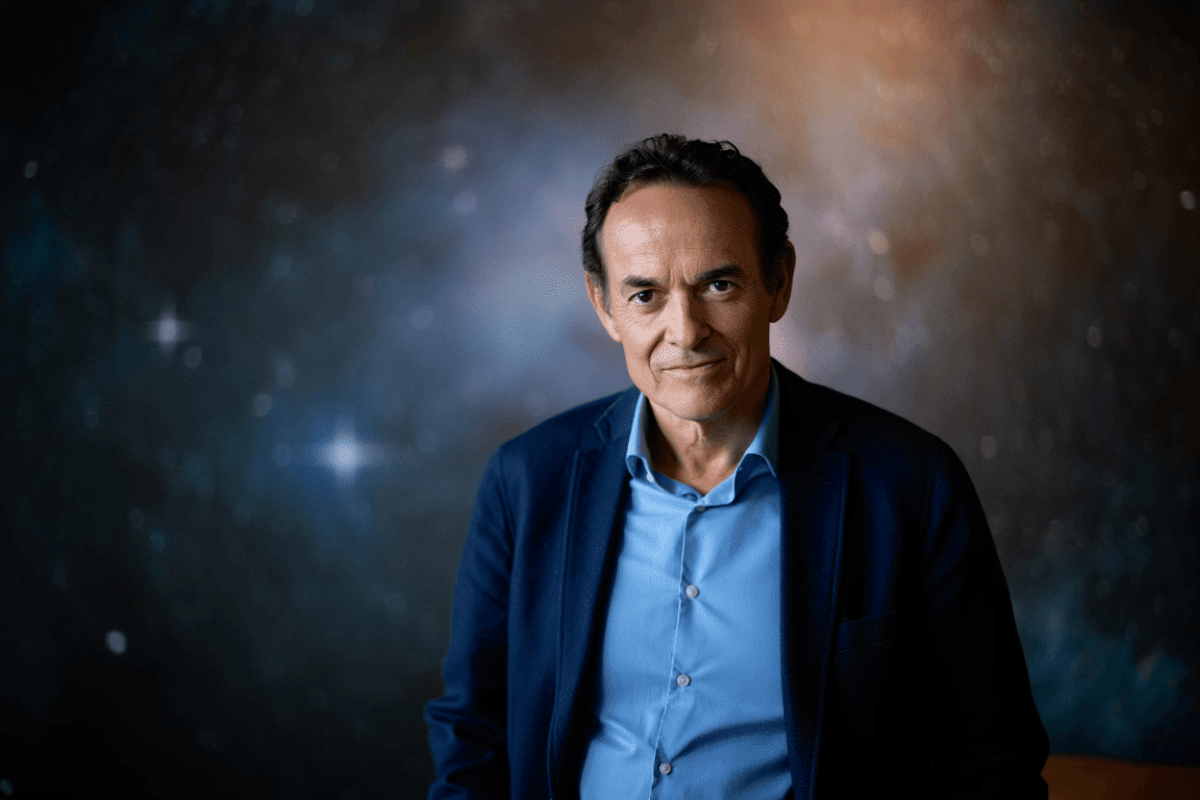
Neil deGrasse Tyson has publicly backed former President Barack Obama’s assertion that aliens are real, calling it a “scientifically literate” position. In a statement released on May 26, 2026, the renowned astrophysicist offered critical support for Obama’s viral February interview, where the former president declared that extraterrestrial life exists—but clarified he saw no direct evidence during his presidency.
🔥 Quick Facts
- Obama stated February 15, 2026: “They’re real, but I haven’t seen them” in a podcast interview
- Neil deGrasse Tyson endorsed the claim on May 26, 2026, calling it evidence of scientific thinking
- Core premise: Both figures discuss microbiological and extraterrestrial life statistically, not Area 51 conspiracies
- Scientific framework: The statement reflects astrobiology consensus that the universe’s scale makes alien microbial life statistically probable
- Tyson’s quote: “He’s scientifically literate, and he gave the scientifically literate reply”
What Obama Actually Said About Aliens
When asked directly “Are aliens real?” during a February 2026 podcast appearance, Obama responded: “They’re real, but I haven’t seen them.” He went further, addressing persistent conspiracy theories head-on by stating: “They’re not being kept at Area 51.”
This seemingly simple answer masks a more sophisticated scientific position. Obama stressed that during his eight-year presidency from 2009-2017, he found no evidence of extraterrestrial contact with Earth. His statement pivots away from dramatic UFO narratives and toward the statistical argument: given the universe’s size, microbial life elsewhere seems probable—but visiting aliens haven’t made contact.
The distinction matters. Obama wasn’t endorsing flying saucers or ancient astronaut theories. He was acknowledging basic astrobiology.
Why Tyson Called It Scientifically Sound
Neil deGrasse Tyson’s endorsement centers on methodology, not confirmation. When discussing Obama’s remark, the director of the Hayden Planetarium emphasized that a scientifically literate person recognizes the statistical argument: with billions of galaxies, each holding billions of stars, some planets inevitably develop life.
Tyson has historically been skeptical of UFO claims and extraterrestrial contact narratives. His shift toward taking the discussion seriously—evidenced by his 2026 writings on aliens and his recent calls for UFO file transparency—reflects a broader scientific recalibration. The astrophysicist once mocked UFO believers but now treats the question as a legitimate scientific inquiry.
His specific endorsement of Obama’s “scientifically literate” framing suggests respect for a public figure applying statistical reasoning rather than opinion.
The Scientific Consensus on Extraterrestrial Microbial Life
Modern astrobiology operates from established principles. The Drake Equation, developed by astronomer Frank Drake in 1961, estimates the number of communicative civilizations in the Milky Way alone. Most contemporary scientists agree on several factors:
| Factor | Scientific Consensus |
| Exoplanet Discovery | Over 5,000+ confirmed planets detected; many in habitable zones |
| Microbial Life Probability | Fairly high across universe; Earth life emerged relatively quickly (200-400 million years) |
| Intelligent Civilization Contact | Rare; vast distances and time gaps make detection/communication extremely difficult |
| Pentagon UFO Report (2024) | Found no scientific evidence of extraterrestrial visitation despite investigating sightings |
| SETI Research Status | No confirmed radio signals detected from intelligent extraterrestrials |
This data suggests a paradox: life may be common, but visitors are extraordinarily rare. Tyson’s support for Obama’s framing aligns with this consensus—acknowledging probability without claiming contact.
The Shift From Skepticism to Scientific Seriousness
Tyson’s recent positioning marks a notable evolution. For decades, he publicly dismissed UFO claims, telling believers to focus on astronomical evidence. By May 2026, he’s written opinion pieces calling for UFO file release and treating the conversation as worthy of rigorous scientific examination.
His endorsement of Obama’s statement signals confidence in the former president’s intellectual approach. Rather than ridicule, Tyson offers validation—a signal that discussing extraterrestrial life statistically is legitimate discourse, not fringe speculation.
This shift reflects broader changes in how mainstream scientists and public figures address the subject. Where once it was taboo, astrobiology and the search for extraterrestrial intelligence (SETI) now carry academic credibility.
What Remains Unanswered: The Contact Question
Both Obama and Tyson explicitly avoid one claim: that aliens have visited Earth or made contact. This distinction is crucial. They support the statistical likelihood of extraterrestrial microbial life—even intelligent life—but reject evidence-free claims of visitation.
The question lingering for astronomers and public figures alike: If life is statistically probable elsewhere, why no confirmed signals or contact? Some reasons cited include vast interstellar distances, time synchronization challenges, and the Great Filter hypothesis—the idea that some barrier prevents most life from becoming spacefaring.
For now, Tyson, Obama, and the scientific community operate on the same principle: belief in the probable existence of extraterrestrial life, informed skepticism about contact claims, and calls for continued research and transparency from government archives.
“He’s scientifically literate, and he gave the scientifically literate reply. Whether they’re microbial or intelligent, and whether they’ve visited doesn’t change the fact that statistically, we’re not alone in the universe.”
— Neil deGrasse Tyson, Astrophysicist, May 26, 2026
Why This Moment Matters for Science Literacy
Mainstream figures legitimizing astrobiology has broader implications. When a former president and a prominent scientist frame alien life as statistically probable, they normalize scientific thinking about the cosmos. Public discourse shifts from “Do UFOs exist?” to “What data do we have about life’s probability across the universe?”
This represents science communication at its best: encouraging evidence-based thinking while avoiding both dismissal and credulity. Tyson’s endorsement of Obama’s language sends this message to millions of viewers and listeners.