
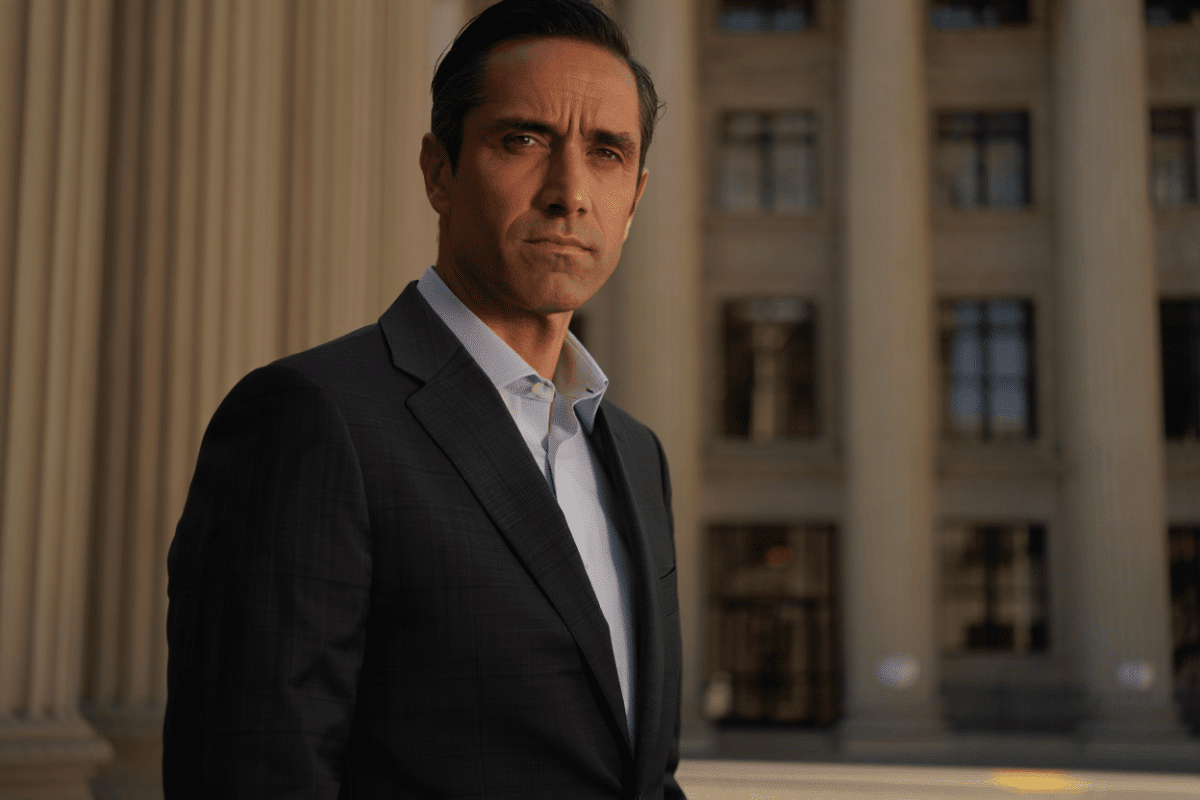
Carl Rinsch, the 48-year-old director best known for helming the 2013 action film “47 Ronin” starring Keanu Reeves, faces sentencing on June 29, 2026, in the Southern District of New York after his December conviction on federal charges of wire fraud, money laundering, and illegal financial transactions. The case centers on $11 million that Netflix provided for an unfinished science fiction television series titled “White Horse,” funds prosecutors allege Rinsch diverted into speculative investments and personal spending rather than production costs.
🔥 Quick Facts
- Conviction Date: December 12, 2025 — guilty on all counts
- Fraud Amount: $11 million from Netflix for “White Horse” series
- Sentencing Date: June 29, 2026 before U.S. District Judge Jed S. Rakoff
- Keanu Reeves Support: Released leniency letter on May 27, 2026, calling Rinsch an “exceptional artist”
- Maximum Exposure: Up to 90 years combined sentencing across all counts
The Director’s Rise and Fall in Hollywood
Carl Erik Rinsch made his feature film directorial debut with “47 Ronin” in 2013, a $175 million action fantasy adaptation of the Japanese historical epic. The film starred Keanu Reeves, Hiroyuki Sanada, and Rinko Kikuchi, positioning Rinsch as a promising new voice in big-budget filmmaking. Despite mixed critical and commercial reception, the film’s scale demonstrated that studios viewed Rinsch as capable of managing massive production budgets and complex visual effects workflows. This single feature credit became his primary credential as he pitched increasingly ambitious projects to streaming platforms in the following decade.
Between 2013 and 2022, Rinsch did not complete another feature film, instead developing commercial work and pitching television projects to major networks. His transition into television production through Netflix represented both an opportunity and a departure from traditional theatrical filmmaking. The streaming platform’s willingness to fund his “White Horse” concept—a proposed science fiction epic—reflected confidence in his visual direction and storytelling potential, despite the absence of significant directorial output in the intervening years.
How the Netflix Fraud Unfolded
According to federal prosecutors, between 2022 and 2024, Rinsch received $11 million from Netflix to produce the “White Horse” science fiction television series. The streaming company expected comprehensive production across writing, pre-production, principal photography, post-production, and visual effects—a scope consistent with high-budget dramatic television. Instead, prosecutors documented that Rinsch systematically diverted allocated funds into personal investments with no connection to series production.
The specific financial misconduct included directing Netflix money into speculative stock options trading and cryptocurrency transactions, rather than legitimate production expenses. High-profile entertainment fraud cases often involve complex money laundering schemes designed to obscure the origin and destination of diverted funds. Throughout the funding period, federal investigators reported that Rinsch provided false progress reports to Netflix executives, misrepresenting production status and the allocation of capital expenditures. He falsely claimed that funds were being spent on crew, equipment, and location scouting, when in reality the majority had disappeared into market speculation.
Federal Charges and Conviction Details
In March 2025, the U.S. Attorney’s Office for the Southern District of New York arraigned Rinsch on a seven-count federal indictment. The charging document specified one count of wire fraud (carrying a maximum of 20 years imprisonment), multiple counts of money laundering, and multiple counts of making illegal financial transactions. Wire fraud charges apply when fraudulent schemes involve interstate or international transmission—in this case, the movement of Netflix funds across state lines into Rinsch’s personal accounts and brokerage platforms.
The December 2025 trial verdict found Rinsch guilty on all counts after a jury deliberation that included testimonies from Netflix witnesses, financial experts documenting the transaction patterns, and forensic accountants tracing fund movements. U.S. Attorney Jay Clayton released a statement characterizing the case as demonstrating that entertainment industry fraud—even at massive dollar scales—would face federal prosecution with full resource commitment. The conviction marked a significant moment in streaming-era accountability, as major platforms had become targets for fraud schemes specifically because of their rapid capital allocation processes.
Keanu Reeves’ Unexpected Support in Sentencing Phase
On May 27, 2026—just hours before this article’s publication date—Keanu Reeves submitted a handwritten letter to Judge Jed Rakoff, requesting leniency in Rinsch’s sentencing. In the letter, Reeves described Rinsch as an “exceptional artist” and urged the judge to exercise “leniency and mercy” during sentencing proceedings scheduled for June 29, 2026. The actor’s intervention is notable given that he had no direct involvement with the “White Horse” project—his connection to Rinsch derives exclusively from their professional collaboration on “47 Ronin” more than a decade earlier.
Reeves’ support underscores a broader Hollywood dynamic where personal professional relationships sometimes transcend criminal conduct. The letter does not dispute the fraud charges or the jury’s verdict, but rather appeals to the judge’s discretion in determining whether full statutory penalties should apply. Sentencing guidelines in federal fraud cases typically account for factors including remorse, career accomplishment, community impact, and character recommendations from respected figures. Judge Rakoff, appointed to the federal bench in 1995 and known for sophisticated financial crime rulings, will weigh these considerations against the severity of the fraud and broader deterrent purposes of sentencing.
Implications for Streaming Finance and Industry Accountability
The Carl Rinsch case establishes important precedent regarding financial oversight at major streaming platforms. Netflix and competitors have expanded production budgets dramatically, creating access to multimillion-dollar deployments for both established and emerging creators. The fraud scheme—successfully diverting $11 million over multiple funding tranches—reveals vulnerabilities in typical streaming finance architectures that prioritize speed of funding over rigorous milestone-based disbursement controls.
Industry response has included enhanced accounting audits, third-party financial monitoring of high-budget projects, and revised contractual language requiring quarterly production reports with supporting documentation. The case also shifts conversation around director liability—Rinsch was not merely an employee, but operated under a production deal structure that granted him significant autonomy over budget allocation. Future contracts increasingly incorporate clawback provisions allowing platforms to recover funds if production milestones are not independently verified by external auditors.
What Happens on June 29: Understanding Sentencing Probability?
While Rinsch theoretically faces up to 90 years imprisonment across all counts, federal sentencing guidelines and judicial precedent suggest actual imprisonment will be significantly lower. Similar financial fraud cases involving $11 million in diverted funds typically result in 3- to 8-year sentences, depending on restitution capacity, professional history, and specific circumstances. Judge Rakoff’s record across white-collar crime sentencing demonstrates willingness to impose meaningful prison time while accounting for individual circumstances—he has sentenced entertainment figures in prior cases with attention to both public deterrence and proportionality principles.
Rinsch’s lack of criminal history, his cooperation with investigators during the trial phase, and notable figures’ character letters may moderate sentencing severity. Conversely, the scheme’s duration, the sophistication required to mislead Netflix executives, and the absence of production output despite full funding allocation may support stronger sentences. The sentencing hearing itself will include victim impact statements from Netflix executives detailing reputational and financial consequences of the fraud.
Sources
- Variety — Keanu Reeves letter seeking leniency for Carl Rinsch (May 27, 2026)
- U.S. Attorney’s Office, Southern District of New York — Conviction announcement and charging documents
- NPR — Initial fraud charges and FBI arrest details (March 2025)
- The New York Times — Carl Rinsch conviction reporting and “White Horse” production background
- Deadline — Sentencing date and conviction details
- Business Insider — Federal court proceedings and sentencing timeline
- IMDB News — Industry context regarding career history and 47 Ronin production









Keanu is an actor, not a lawyer, not an appropriate defense. Hollywood has gotten away with organized crime as a whole to date. It is time to make a difference. The only way to make a positive difference and create change is to take this sentence involving jail ,very seriously. We need to strike Keanu’s letter from this record. Carl signed a legal agreement when he accepted the money, to spend the money on the completion of the movie not blow it on luxury for himself. It is clearly theft.
Keanu Reeves defending his friend who has commit such serious crimes, sheds light on whether or not Keanu was involved and is trying to protect himself.