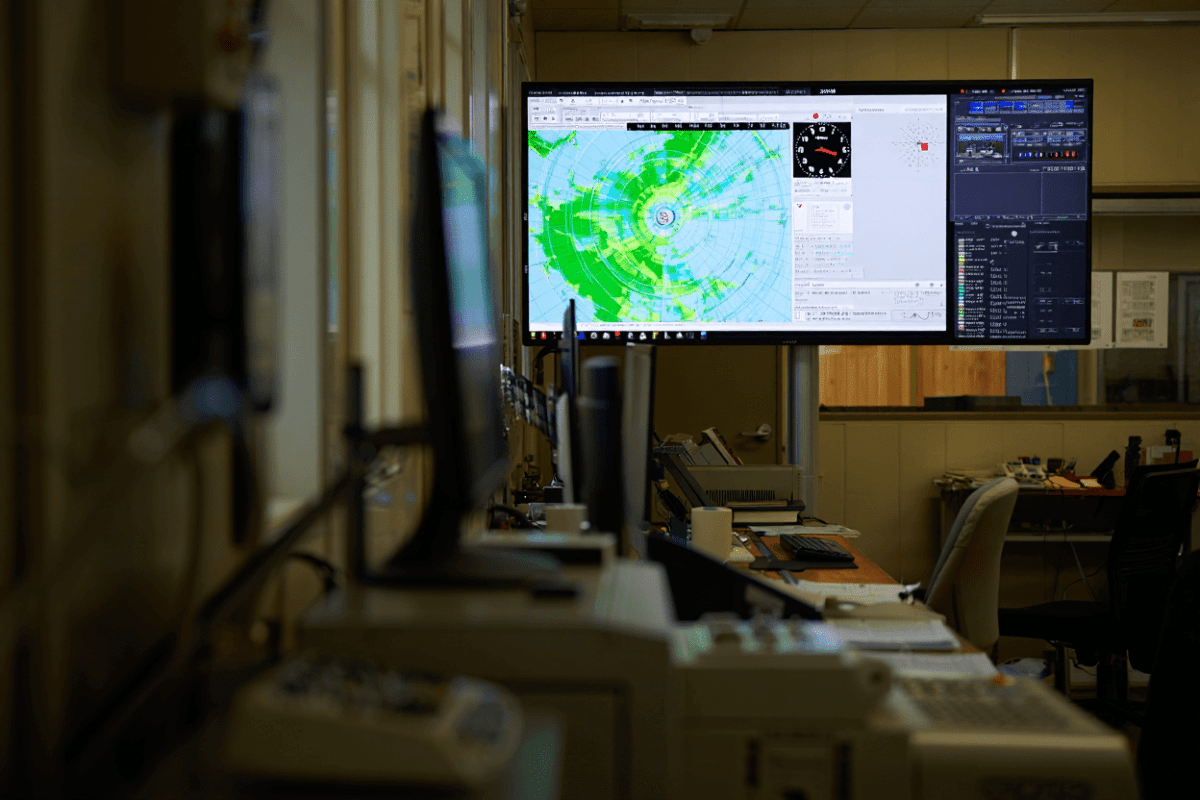
Across much of the United States on May 26, 2026, tornado radar tracks showed predominantly quiet conditions during the afternoon hours, with activity concentrated in isolated pockets. However, the 2026 tornado season remains firmly underway, with meteorologists tracking a notable shift in activity patterns compared to recent years. Long-range forecasters predict between 1,050 and 1,250 tornadoes will touch down across the nation this year—a substantial decrease from the 1,544 preliminary reports recorded in 2025.
🔥 Quick Facts
- 2026 forecast: 1,050–1,250 tornadoes expected nationally
- EF4 tornado confirmed in Enid, Oklahoma on April 23, 2026 with extreme damage
- 575+ tornadoes confirmed as of late April 2026 season-to-date
- Mississippi River Valley remains primary spring activity corridor
- New geographic pattern: Eastern shift toward “Dixie Alley” states (Alabama, Arkansas, Kentucky, Tennessee)
Understanding the 2026 Tornado Season Shift
The 2026 tornado season represents a recalibration after a historically elevated 2025. AccuWeather forecasters noted that this year’s activity may look “different” from previous years’ outbreak patterns. The shift reflects emerging seasonal trends: while March through May remain peak months, meteorologists are observing a geographic drift eastward. The traditional Great Plains core is being supplemented by increased activity in what researchers now call “Dixie Alley”—stretching across Alabama, Arkansas, Illinois, Indiana, Kentucky, Mississippi, Missouri, and Tennessee.
On May 26 specifically, tornado conditions remained largely benign across much of the nation. The National Weather Service issued minimal tornado warnings during peak afternoon hours, though a slight risk level remained positioned over isolated sections of Deep South Texas. This pattern illustrates the season’s transition: as spring wanes and summer approaches, tornado activity typically consolidates into fewer days with greater intensity rather than widespread daily threats.
Verified 2026 Tornado Data and Severity Trends
Through late April 2026, the United States had recorded approximately 575 confirmed tornadoes. The season’s most notable event occurred on April 23, 2026, when a rare EF4 tornado devastated areas around Enid, Oklahoma. The EF-scale rating—ranging from EF0 to EF5—measures structural damage severity; EF4 tornadoes produce “severe” damage including complete roofs removed from well-constructed homes and total destruction of mobile homes. This single event underscored that despite the lower overall forecast, 2026 remains capable of extreme, localized impacts.
Early-season data revealed concentrated activity across the central United States. Oklahoma, Texas, and Illinois experienced elevated tornado counts during March and April. A March 10, 2026 outbreak produced multiple tornadoes including an EF3 tornado in the Kankakee River Valley region of Illinois, paired with record-breaking large hail exceeding six inches in diameter.
| Metric | 2026 Season (As of Late May) | 2025 Comparison |
| Tornadoes Recorded | 575+ | 1,544 (full year) |
| Highest Rating | EF4 (Enid, OK – April 23) | EF5 (multiple) |
| Notable Fatalities | 12 (through May) | TBA |
| Seasonal Forecast Range | 1,050–1,250 tornadoes | 1,544 recorded |
| Primary Corridor | Mississippi Valley + Eastern Shift | Central Plains |
“The 2026 severe weather season is about to ramp up, and forecasters say that it may look different than last spring’s headline-grabbing tornado outbreaks.”
— AccuWeather Severe Weather Analysts, 2026 Seasonal Forecast
What May 26 Quiet Conditions Signal for the Rest of the Season
The minimal tornado radar activity on May 26, 2026 reflects a predictable seasonal rhythm. As late May arrives, severe weather dynamics shift from the spring peak toward early-summer patterns. Cool-season atmospheric interactions—the collision of Arctic and tropical air masses—diminish. May averages between 50-80 tornadoes nationally, representing the tail end of spring’s most active window. By June, activity typically drops further before June’s secondary peak in the northern Great Plain states like Nebraska, South Dakota, and Wyoming.
Quiet radar days during late May also indicate meteorologists’ confidence in forecasting: computers can now predict “non-event days” with increasing accuracy, allowing the public to distinguish between genuine threats and seasonal noise. May 26’s benign conditions meant residents across most U.S. regions could safely plan outdoor activities without severe weather concerns—a stark contrast to the volatile period from March through mid-May.
Implications for Summer and NOAA’s 2026 Outlook
The 1,050–1,250 tornado forecast for 2026 suggests a return to near-normal activity after 2025’s exceptional year. NOAA’s September 2025 forecast predicted this trajectory, citing evolving El Niño conditions and shifting oceanic teleconnections as moderating influences on spring severity. However, forecasters emphasize that “near-normal” remains dangerous: historical averages still produce significant tornado impacts annually.
The emergence of “Dixie Alley” as a secondary focus represents a meaningful change. Traditionally, tornado preparedness centered on the Great Plains. Now residents of Alabama, Tennessee, Kentucky, and neighboring states face escalating risks. This geographic pivot reflects climate pattern shifts and improved detection systems that reveal previously underreported tornadoes in densely vegetated or populated eastern regions.
Why May 26’s Radar Matters in Forecasting Summer Patterns
A single quiet radar day carries statistical significance for meteorologists. May 26, 2026 represents the tail end of data used to calibrate June and July forecasts. Atmospheric patterns that suppress tornadoes—such as high-pressure systems anchored over the Southeast or a weak jet stream—persist or shift gradually. When tornado radar shows clear skies, it signals the seasonal pattern is on track. Deviations from expected quiet periods (excessive activity in late May) would trigger emergency recalibrations for the approaching summer.
Residents should monitor June’s early period closely. The northern Plains typically ignite in early June, while Dixie Alley remains active alongside isolated high-plains storms. Tornado radar networks and Storm Prediction Center outlooks will guide day-to-day preparation.
Sources
- AccuWeather – 2026 seasonal tornado forecast and severity predictions
- National Weather Service (NWS) – Regional outbreak data and March–May confirmed tornado reports
- NOAA’s National Center for Environmental Information – 2026 monthly tornado statistics and climate reports
- Storm Prediction Center (SPC) – Daily and long-range severe weather outlooks
- Wikipedia: Tornadoes of 2026 – Comprehensive tornado database and EF-scale ratings