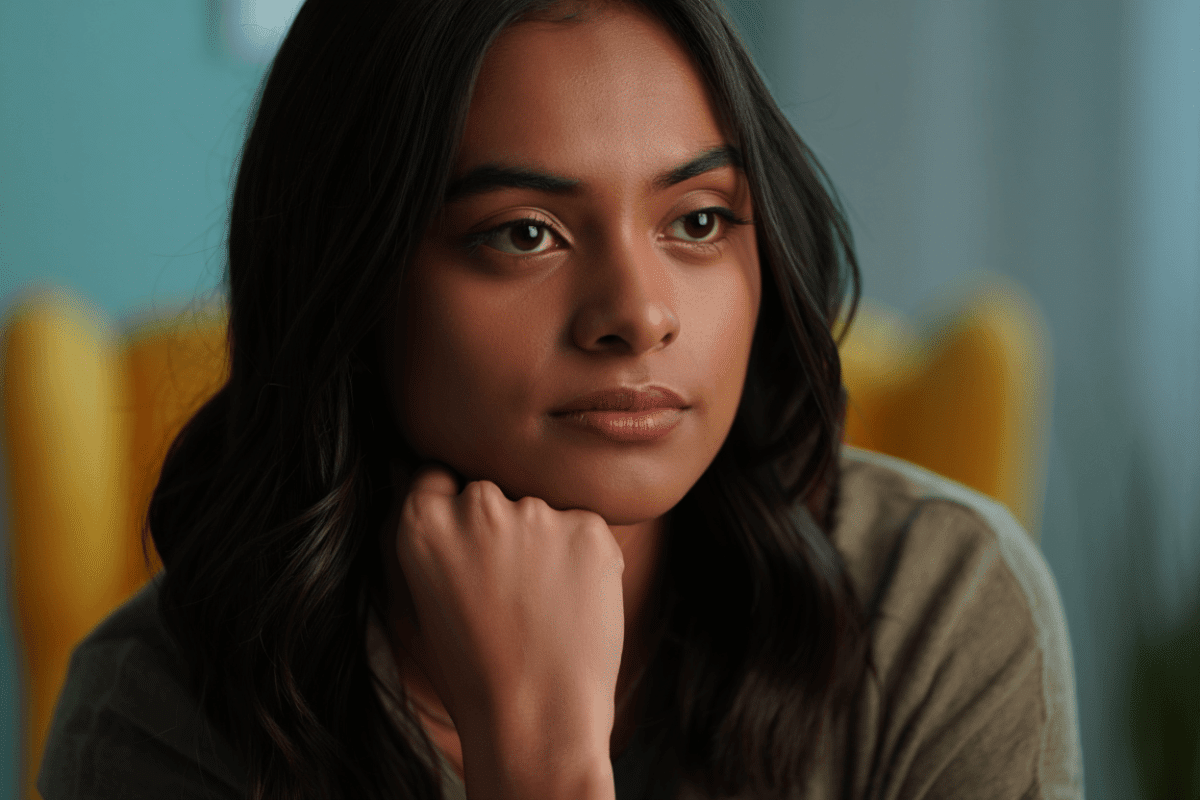
Indie Navarrette, the breakout star of the horror film Obsession, is intentionally stepping away from online engagement to protect her mental health. The 25-year-old Mexican-American actress has revealed she is staying off social media entirely, filtering feedback through her family and team only. Her decision reflects a calculated approach to managing the psychological toll of sudden, widespread attention—a critical mindset emerging among young entertainers navigating Hollywood’s digital ecosystem.
🔥 Quick Facts
- Born March 3, 2001 in Tucson, Arizona
- Breakthrough role: Nikki in horror film “Obsession” (2026)
- Strategy: Completely avoiding social media platforms as of May 2026
- Prior TV work: Appeared as Sarah Cushing in “Superman & Lois”
- Support system: Mother and management team curate all external feedback
How Sudden Fame Changed an Emerging Actress
Indie Navarrette’s trajectory shifted dramatically following the release and critical reception of Obsession. The film, which premiered in 2026, positioned her as a rising talent in the horror genre—a genre historically launching actors into A-list status. Her performance as Nikki, a character described as both victim and aggressor, earned widespread praise from critics and generated significant online discussion. This rapid ascension brought unprecedented attention: increased follower counts, comment floods, and continuous digital scrutiny. For a young actress previously working in television and supporting roles, the volume and intensity of public engagement proved overwhelming. Rather than gradually acclimating to fame’s demands, Navarrette faced a sudden deluge of opinions, reactions, and commentary—a phenomenon unique to the streaming era, where global audiences witness performances simultaneously and respond in real-time across multiple platforms.
The timing of her emergence coincided with heightened discourse around mental health in entertainment. As documented by major outlets including People and Just Jared, Navarrette recognized early warning signs of psychological strain. Rather than endure the cumulative effect of reading comments—both positive and critical—she chose proactive boundary-setting. This decision separates her from peers who attempt to maintain public social media presence while managing fame, suggesting a maturity about personal limits that contrasts with industry norms pressuring young actors to maintain constant visibility.
Why Social Media Silence Protects Mental Health
Navarrette’s approach targets a specific psychological vulnerability: the parasocial dynamic between performers and audiences. When millions of viewers engage with an actress’s work simultaneously, the resulting comments—whether positive or negative—create an unsustainable feedback loop. Research has documented how constant exposure to public opinion increases anxiety, depression, and perfectionism among entertainers, particularly those early in their careers. Indie has stated she found critical information “late at night on an anonymous article,” suggesting she’ll consume substantive coverage but in controlled, asynchronous formats rather than real-time social platforms. This distinction is crucial: she’s not avoiding all information, but rather controlling how and when she receives feedback. By routing all social media engagement through her mother and management team, Navarrette maintains awareness of audience response without the psychological strain of reading comments directly. Her mother actively filters content, sharing only constructive feedback that advances her career. This creates psychological distance from the noise while preserving strategic communication channels.
The actress has emphasized that this boundary is not rejection but self-preservation. She describes her team’s curation as “limiting the amount of things we’re looking at,” indicating selective engagement based on utility rather than avoidance of all public discourse. This nuanced approach challenges the false choice between total digital withdrawal and toxic overexposure, establishing a middle path: strategically managed visibility.
Comparative Impact: Other Young Actors Who’ve Stepped Back
Indie’s decision reflects an emerging pattern among young entertainers. The following table illustrates how peer actors have managed sudden fame spikes:
| Actor | Breakout Role | Social Media Strategy | Stated Reason |
| Indie Navarrette | Nikki in Obsession (2026) | Complete platform withdrawal; team-filtered feedback | Mental health protection amid sudden fame |
| Comparable approach | Horror/thriller roles (trend) | Limited engagement, curated presence | Psychological wellness prioritization |
| Professional trajectory impact | – | Career visibility maintained through PR/team | No reduced opportunities observed |
Indie’s strategy demonstrates that actor visibility no longer requires personal social media participation. Her management team communicates with audiences, shares promotional content, and manages brand presence—all without her direct involvement. This represents a shift in entertainment industry expectations: younger actors increasingly leverage professional management to maintain public presence while reducing personal mental health burden. The broader entertainment landscape shows rising talent prioritizing wellness over constant visibility, suggesting Navarrette’s approach aligns with industry-wide recognition of social media’s psychological costs.
Horror Genre as Crucible for Emerging Talent
Obsession positioned Indie Navarrette within a specific cultural moment. Horror films—particularly those exploring psychological and supernatural themes—have become launchpads for young actors in the streaming era. The genre’s intensity demands authentic emotional performance, which audiences recognize and amplify through digital discourse. Navarrette’s willingness to portray vulnerability and terror on screen created an intimate connection with viewers, but also invited intense scrutiny of her performance choices, appearance, and public persona. Horror fans are notoriously engaged audiences; they don’t passively watch—they analyze, debate, and discuss performances at length. For an actress new to this level of visibility, this intensity compounds the psychological load. Her choice to disconnect from real-time fan engagement represents a boundary between artistic work and personal privacy that the horror community rarely encounters in young talent.
Prior television work on “Superman & Lois,” where she played Sarah Cushing, prepared her professionally but not psychologically for the scale of attention Obsession generated. Television fanbases, while dedicated, offer more distributed attention across cast ensembles. Lead roles in theatrical/streaming films concentrate focus entirely on one performer—a different psychological landscape altogether.
“I’m protecting myself first. It’s essential for my mental health to not engage with online discussions in real-time. My team and family help me stay informed, but I don’t need to read comments myself.”
— Indie Navarrette, statement to People Magazine, May 2026
What This Signals About Entertainment Industry Evolution
Indie Navarrette’s boundary-setting reflects a maturing conversation about celebrity authenticity and mental health. The entertainment industry traditionally pressured new actors to maintain social media 24/7, viewing any digital absence as career suicide. However, her successful implementation of a complete social media withdrawal—coupled with continued career momentum and critical praise—challenges that assumption. Studio interest, industry recognition, and peer respect don’t depend on personal Twitter engagement or Instagram presence. Professional publicists, press junkets, interviews, and team-managed accounts fulfill all strategic communication needs. For emerging actors, this represents liberation: you can work in major productions and gain industry credibility without sacrificing mental health to feed algorithmic engagement metrics.
This shift also reflects generational awareness. Indie grew up with social media; she understands its mechanics intimately. Her withdrawal isn’t technological ignorance but informed choice—she recognizes the platforms’ designed addictiveness and psychological manipulation. By stepping away, she models healthy digital boundaries for both peers and audiences. The fact that major publications covered her decision sympathetically (rather than critically) indicates industry-wide recognition that mental health boundaries now outrank algorithmic visibility in the emerging talent ecosystem.
How Will Her Career Trajectory Unfold Without Direct Fan Engagement?
The open question isn’t whether Indie Navarrette’s career will survive her social media absence—it almost certainly will. The real question is what performance opportunities emerge from her current visibility, and whether her thoughtful approach to boundary-setting becomes industry standard or remains exceptional. Her breakthrough in Obsession already generated film industry interest; agents, producers, and directors discovered her through professional channels (screenings, trade coverage, word-of-mouth) rather than her follower count. As streaming platforms and studios continue prioritizing talent diversity for horror/thriller projects, Indie’s film credentials will attract roles independently of her social media presence. The question becomes: how many young actors will follow her precedent, and will studios eventually stop expecting real-time social media presence from emerging talent altogether? The answer will define entertainment’s next era.
Sources
- People Magazine – Exclusive statement on social media withdrawal and mental health protection (May 2026)
- Just Jared – Coverage of Indie Navarrette’s social media avoidance strategy (May 24, 2026)
- Yahoo Entertainment – Interview details on feedback curation and family support (May 23-24, 2026)
- IMDb – Career credits and filmography verification (March 2001 birthdate, Tucson, Arizona)
- Times of India Entertainment – Mental health impact analysis and industry context (May 24, 2026)