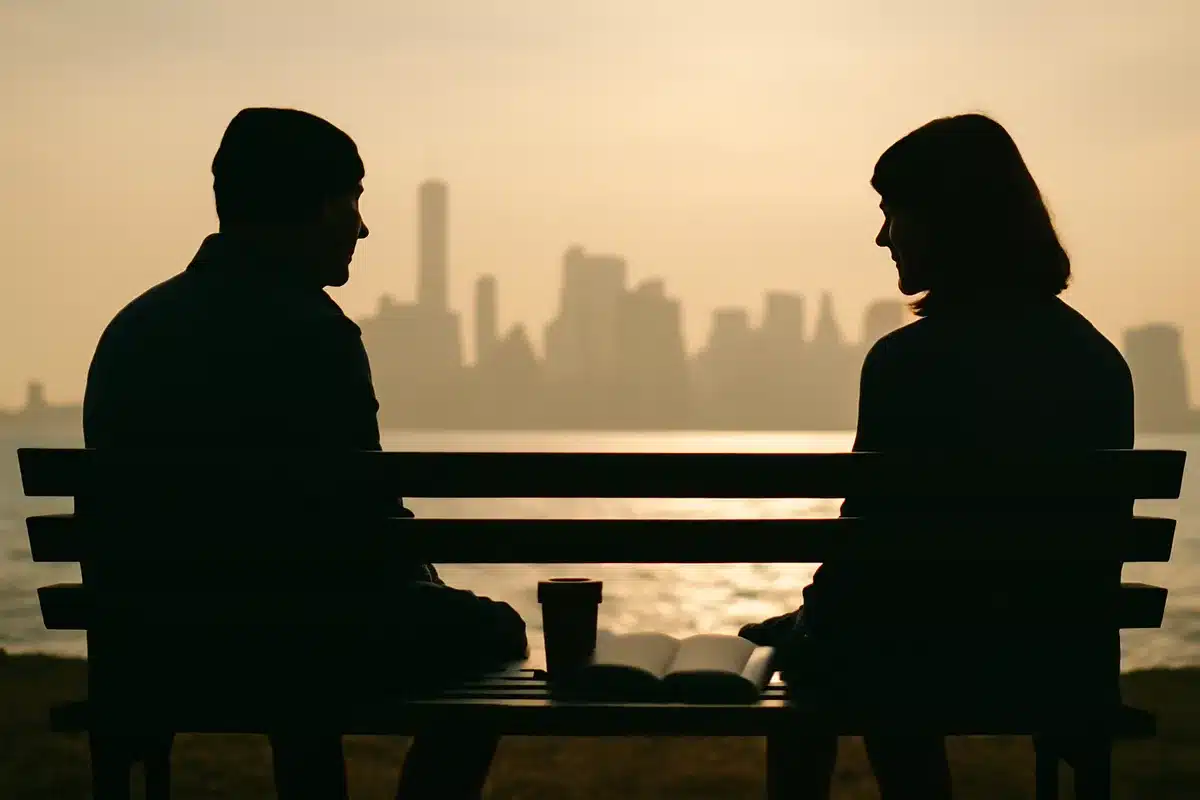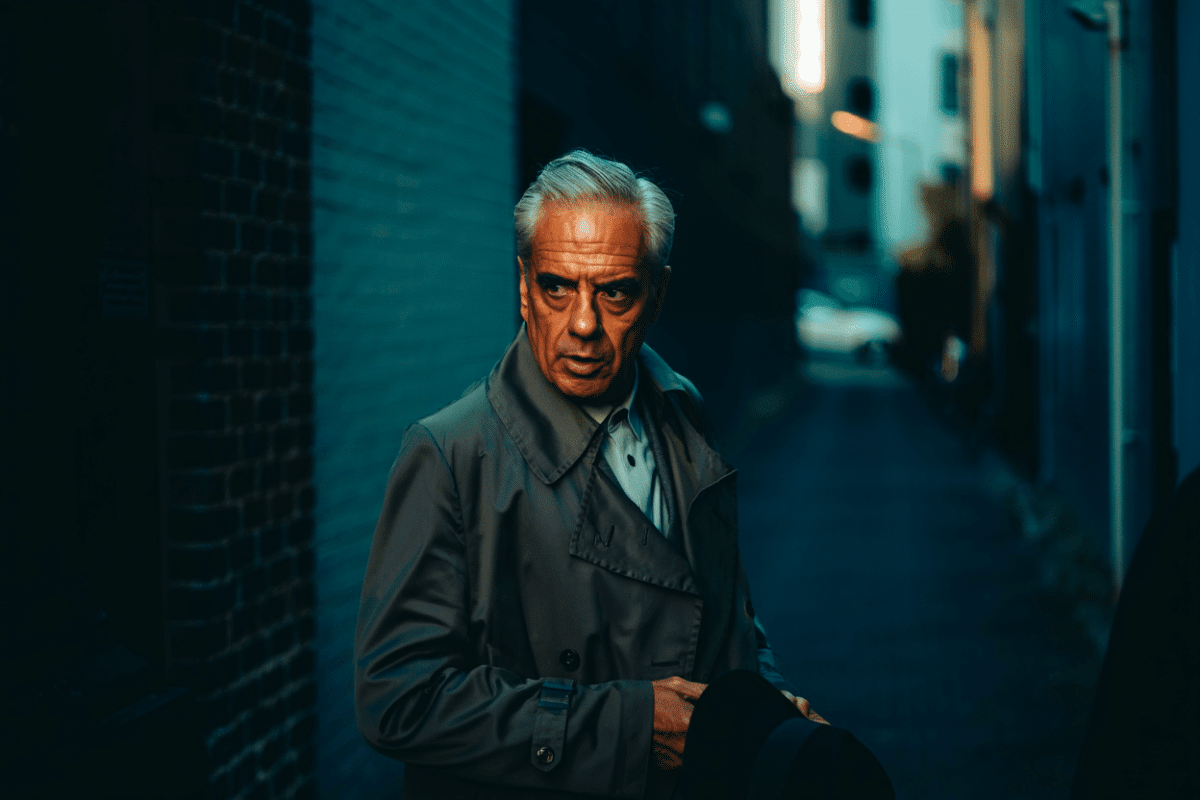
Spider Noir hits Prime Video on May 27, 2026, delivering 8 episodes of hard-boiled detective noir featuring Nicolas Cage in his first lead television role. Set in 1930s New York City, the series reimagines the Spider-Man Noir Marvel character as an aging, down-on-his-luck private investigator forced to confront his past as the city’s only masked vigilante. The production achieved a distinctive aesthetic by employing black-and-white cameras and filters during filming, resulting in a rare streaming release offering viewers a choice: watch in “Authentic Black & White” or “True-Hue Color” version.
🔥 Quick Facts
- Release Date: May 27, 2026 on Prime Video (May 25 on MGM+)
- Episode Count: 8 complete episodes available at launch
- Critical Reception: 91% on Rotten Tomatoes with 8.6/10 on IMDb
- Dual Format: Available in authentic black & white and true-hue color versions
Noir Genre Revival in Modern Television
Spider Noir represents a significant departure from contemporary superhero television, prioritizing the aesthetic and narrative DNA of classic 1930s-1940s noir cinema over action spectacle. The series draws creative influence from the hard-boiled detective fiction tradition—think Raymond Chandler and Dashiell Hammett—translating abstract literary conventions into visual form. The production team specifically chose black-and-white cinematography as a storytelling device rather than nostalgic affectation, using stark contrast and deep shadows to reflect the moral ambiguity and darkness of Ben Reilly’s character. According to production records, the crew used specialized black-and-white filters during live-action filming, not digital conversion post-production, to capture authentic long shadows and compositional depth characteristic of 1930s noir masters.
This creative choice isolates Spider Noir as a deliberate counterpoint to mainstream Marvel adaptations. Where franchise properties emphasize visual spectacle through color grading and digital effects, this series employs restraint and compositional precision—tools proven effective in classic cinema. The TV-14 rating signals mature thematic content (crime, corruption, moral compromise) without relying on graphic violence, further cementing the noir sensibility over action-adventure conventions.
Nicolas Cage’s First Lead Television Role and Cast Ensemble
Nicolas Cage brings 40+ years of distinctive acting to the role of Ben Reilly—a character designed as an inverse of the typical Spider-Man archetype. Rather than a young hero discovering powers, Reilly is an exhausted, aging vigilante confronting the decade-long consequences of his masked life. Cage’s casting represents a strategic gamble: his unpredictable, introspective performance style aligns with hard-boiled protagonists who operate from psychological fragility rather than heroic certainty.
Supporting performances anchor the 1930s New York underworld: Lamorne Morris plays crucial investigative ally, Li Jun Li embodies the archetypal noir femme fatale, Karen Rodriguez occupies a position of institutional authority, and Abraham Popoola adds ethical complexity to the detective narrative. Most significantly, Brendan Gleeson portrays Silvermane—the primary antagonist and gangland kingpin driving season one’s central conflict. This ensemble deliberately evokes the compressed character dynamics of classic noir ensemble pieces rather than sprawling superhero team structures.
Production Design and Cinematographic Achievement
| Production Element | Specification |
| Filming Locations | Los Angeles, California (August 2024 – March 2025) |
| Camera Format | Black-and-white filters and specialized cameras during principal photography |
| Visual Style | Long shadows, high contrast, compositional depth (1930s noir reference) |
| Release Formats | Authentic Black & White + True-Hue Color (both streaming simultaneously) |
| Content Rating | TV-14 (mature themes, violence, language) |
| Episode Count | 8 episodes (complete season, binge-release model) |
The dual-format release strategy reflects intentional creative vision rather than technical compromise. Showrunner Oren Uziel and the production team envisioned viewers selecting their preferred aesthetic based on mood and context. The “Authentic Black & White” mode preserves the original photographer’s intent—high-key contrast suitable for period authenticity—while the “True-Hue Color” version mimics 1950s colorized films, featuring slightly artificial saturation that paradoxically enhances surreality. This approach invites multiple viewings and discussion, a structural advantage for streaming platform engagement.
Marvel Source Material Adaptation and Narrative Scope
Spider-Noir draws from Marvel Comics‘ alternate-universe iteration of Spider-Man—a character existing in a parallel 1930s timeline rather than the contemporary Marvel Universe. The series focuses on Ben Reilly’s confrontation with Silvermane’s criminal empire, a mob boss orchestrating systematic corruption across New York’s institutional infrastructure (police, docks, city government). This narrative framework permits exploration of systemic corruption and personal compromise in ways contemporary superhero television rarely attempts. Where mainstream Marvel Cinematic Universe content emphasizes team dynamics and multiverse spectacle, Spider Noir operates as intimate psychological noir—examining how power corrupts and vigilantism fails.
The adaptation honors the source material’s tonal DNA: cynicism, moral ambiguity, and the assumption that heroism costs more than it delivers. Ben Reilly’s aging body and fractured psyche anchor the narrative in physical vulnerability and emotional deterioration rather than power fantasy.
“The story of an aging and down on his luck private investigator in 1930s New York is forced to grapple with his past life as the city’s only superhero.”
— MGM+/Prime Video Official Synopsis
What Spider Noir Signals About Franchise Evolution
The success of Spider Noir (currently holding 91% critical approval) suggests audience appetite for superhero narratives prioritizing character depth, genre authenticity, and visual restraint over franchise spectacle. This contradicts assumptions that streaming superhero content requires action-driven pacing and visual dynamism. Instead, the series demonstrates that limited color palettes, introspective pacing, and morally complex protagonists generate sustained critical and viewer engagement.
The dual-format release model may establish precedent for future prestige superhero television: offering viewers artistic agency in aesthetic presentation. This approach acknowledges that black-and-white cinematography functions as artistic choice rather than limitation, enhancing thematic coherence rather than restricting visual information. As audiences increasingly demand narrative sophistication alongside spectacle, Spider Noir’s model—constrained ambition, genre fidelity, psychological depth—may influence how studios approach intellectual property with limited theatrical release potential.
Will Spider Noir Sustain Viewer Momentum Through All 8 Episodes?
The binge-release model positions viewers to consume the complete narrative arc simultaneously, unlike traditional weekly episodes. This format rewards densely plotted stories with sustained tension but tests viewer patience with pacing inconsistencies. Early critical response (8.6/10, 91% Rotten Tomatoes) suggests the eight-episode structure maintains narrative coherence without filler, though viewer completion rates—the true measure of streaming success—remain unknown at launch. The mature themes, noir conventions, and absence of action-spectacle create inherent viewership risk: audiences accustomed to Marvel’s accessibility may find Spider Noir’s deliberate pacing and moral ambiguity challenging. Conversely, prestige television audiences seeking character-driven narratives and stylistic distinctiveness may experience unexpected enthusiasm for a superhero adaptation treating its source material with intellectual seriousness.
Sources
- Rotten Tomatoes – Critical aggregation and audience ratings (91% critics, TV-14 rating verification)
- IMDb – Production details, filming locations (Los Angeles, August 2024–March 2025), cast verification
- Wikipedia (Spider-Noir) – Production methodology (black-and-white cameras and filters), cinematographic specifications
- Prime Video/MGM+ Official Press Release – Release dates, episode count, premiere information
- The New York Times – Narrative analysis and dual-format release context
- Den of Geek – Aesthetic analysis comparing black-and-white versus color viewing experience