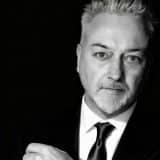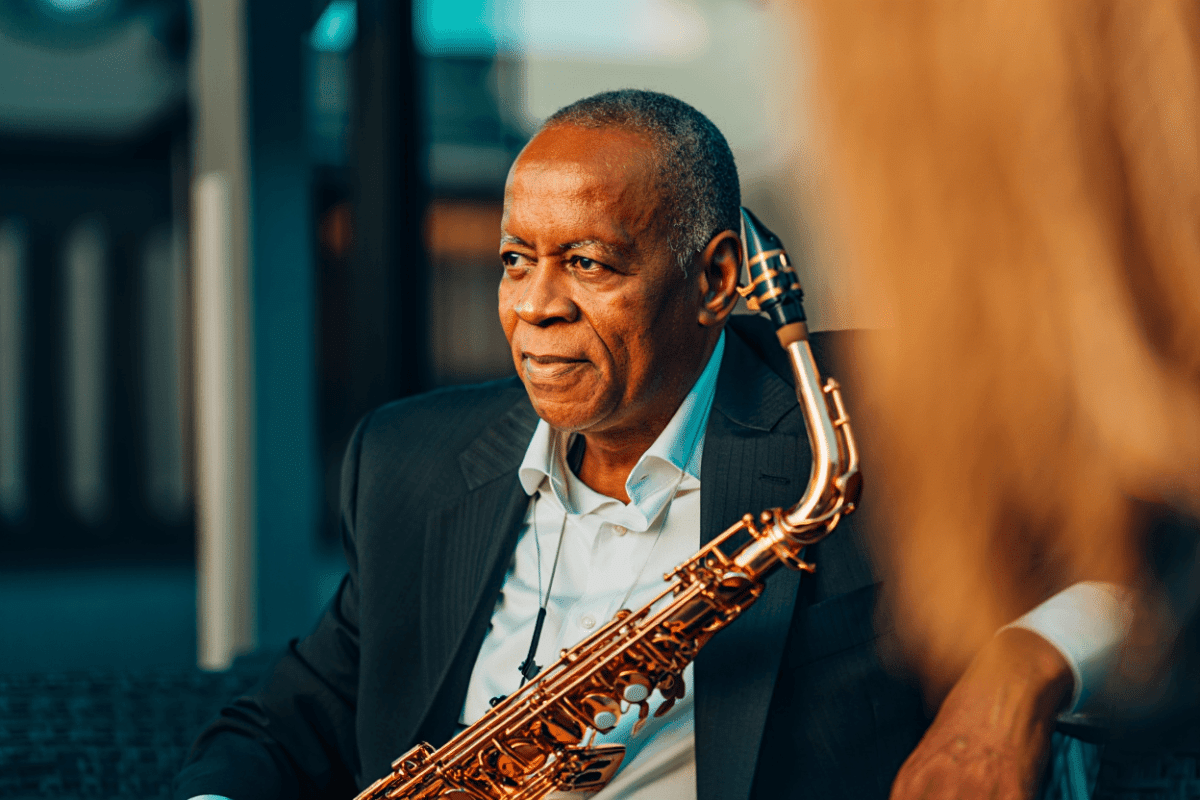
Sonny Rollins, the legendary tenor saxophonist widely recognized as one of the most influential jazz musicians in history, died on May 25, 2026, at his home in Woodstock, New York. He was 95 years old. In a seven-decade career that expanded the boundaries of jazz improvisation, Rollins recorded more than sixty albums as a leader and created compositions—including “St. Thomas,” “Oleo,” “Doxy,” and “Airegin“—that became jazz standards. His towering saxophone tone and restless artistic ambition defined multiple eras of jazz.
🔥 Quick Facts
- Born September 7, 1930 in central Harlem, New York City
- Died May 25, 2026 in Woodstock, New York at age 95
- Career span of 7 decades producing 60+ studio albums as bandleader
- Took famous sabbatical from summer 1959 to late 1961 practicing on the Williamsburg Bridge
From Harlem to Jazz’s Upper Echelon
Theodore “Sonny” Rollins emerged from central Harlem during the post-bebop era, influenced by Coleman Hawkins and Charlie Parker. By the mid-1950s, he had established himself as the most talented and innovative tenor saxophonist in jazz. His early albums—particularly “Saxophone Colossus” (1956)—demonstrated technical mastery and harmonic sophistication. The 1956 album featured “St. Thomas,” a composition that became one of jazz’s most enduring standards. “Tenor Madness” from the same year documented his only recorded meeting with saxophonist John Coltrane, creating a historic collaboration. By 1958, Rollins had achieved international recognition, but success and touring schedules provoked an artistic crisis.
The Bridge: A Spiritual Turning Point
Between summer 1959 and late 1961, Sonny Rollins withdrew from recording and public performance for what became the most famous sabbatical in jazz history. Rather than retreat entirely, he practiced almost daily on the Williamsburg Bridge in New York City, playing for 15 to 16 hours at a stretch. His goal was to shed external pressures and reconnect with pure musicality. He abandoned substances and adopted spiritual disciplines—exercise, yoga, and meditation—that would define his later outlook. In 2022, at age 91, Rollins reflected: “I was so close to the sky. It was spiritual.” This period of intensive practice yielded albums like “The Bridge” (1962), which critics regard as a masterwork that marked his artistic rebirth. The 1962 album introduced pianoless trio formats that influenced generations of saxophonists.
Career Milestones and Recorded Legacy
Following his bridge sabbatical, Sonny Rollins continued releasing significant work through subsequent decades. His recorded output spans multiple styles—from hard bop through free jazz exploration—with albums including “Our Man in Jazz” (1962), “Alfredo” (1972), and numerous live recordings. He earned Grammy recognition, winning for “This Is What I Do” (2000) and “Without a Song: The 9/11 Concert” (2005), alongside a Grammy Lifetime Achievement Award. His influence extended to contemporary saxophonists—figures like David S. Ware, Joe Henderson, Joe Lovano, Branford Marsalis, and Joshua Redman led pianoless sax trios inspired by his bridge-era model. In 2013, at age 83, he relocated to Woodstock, New York, where he spent his final 13 years in quiet contemplation.
| Career Milestone | Year(s) | Significance |
| Early Recognition | 1954–1962 | Established as premier improvisational voice in tenor saxophone |
| Williamsburg Bridge Sabbatical | 1959–1961 | Withdrawn practice period; yielded pianoless trio innovations |
| Recorded Mastery | 1960s–1980s | Prolific output across styles; collaborated with major jazz figures |
| Grammy Recognition | 2000, 2005 | Won Grammy Awards; received Lifetime Achievement honor |
| Final Performance | 2012 | Last public performance; ceased due to respiratory issues |
“Theodore ‘Sonny’ Rollins’ towering achievements on the tenor saxophone are many, and he continues to be one of the most influential jazz musicians of our time.”
— National Endowment for the Arts, Jazz Master Designation
Artistic Innovation and Improvisation Philosophy
Rollins revolutionized jazz improvisation through technical mastery and melodic daring. Unlike many tenor players who favored running harmonic changes, he constructed solos around strong melodic statements and reworked thematic material with surgical precision. His pianoless trio format, developed during the early 1960s, allowed the saxophonist to control harmonic movement independently—a structural innovation that diminished accompaniment dependency. His tone combined warmth and aggression: the saxophone could sound burly and thick one moment, then delicate and witty the next. Scholars note his consistent exploration of tonal manipulation and textural variety marked him as a restless artistic voice, never content to repeat formulas. Lew Tabackin and subsequent saxophonists cited his pianoless work as direct inspiration for their own freedom from keyboard anchoring.
Legacy and Continued Influence on Jazz Practice
As musicians across jazz continue developing new approaches to improvisation and compositional thinking, Sonny Rollins‘ shadow remains substantial. His insistence on uncompromising artistic standards—demonstrated by the famous bridge sabbatical—established a template for serious jazz musicians prioritizing growth over commercial viability. Contemporary recordings released from his archive continue revealing previously unheard performances from the 1950s–1980s, extending his documented legacy. The attempted 2017 campaign to rename the Williamsburg Bridge in his honor reflected public recognition of his symbolic connection to that structure. Major jazz institutions, including Jazz at Lincoln Center, maintain retrospectives of his influence, while educational curricula examine his improvisational methodology. His composition “St. Thomas” remains one of the most frequently performed jazz standards in live settings, ensuring his voice echoes across performance stages globally. The Smithsonian Institution and major jazz archives maintain extensive Rollins collections, preserving oral histories and musical documentation for future scholarship.
What Does Sonny Rollins’ Passing Mean for Jazz’s Living Legacy?
The death of Sonny Rollins marks the end of an era in which jazz’s foundational voices—those who witnessed bebop’s emergence and helped shape hard bop’s development—have gradually departed. Yet his recorded work, estimated at 60+ albums within official discographies plus numerous live performances and bootlegs, ensures his artistic presence endures. Music conservatories continue analyzing his instructional approach: how he managed technical demands without sacrificing emotional directness, how he maintained creative momentum across seven decades, how he conducted his artistic sabbatical to deepen rather than stall development. Future generations of musicians will ask: In an era of constant visibility and streaming connectivity, can artists find the space for focused retreat that Rollins found on the Williamsburg Bridge? His life suggests that question remains vital for any serious improvisational musician seeking lasting artistic depth.
Sources
- Variety – Obituary and career overview, May 25, 2026
- The Washington Post – Biography and artistic context, May 26, 2026
- Wikipedia – Comprehensive career chronology and discography
- National Endowment for the Arts – Jazz Masters recognition and institutional context
- The Guardian – 2022 interview reflecting on the Williamsburg Bridge sabbatical
- The New Yorker – Cultural analysis of bridge renaming campaign