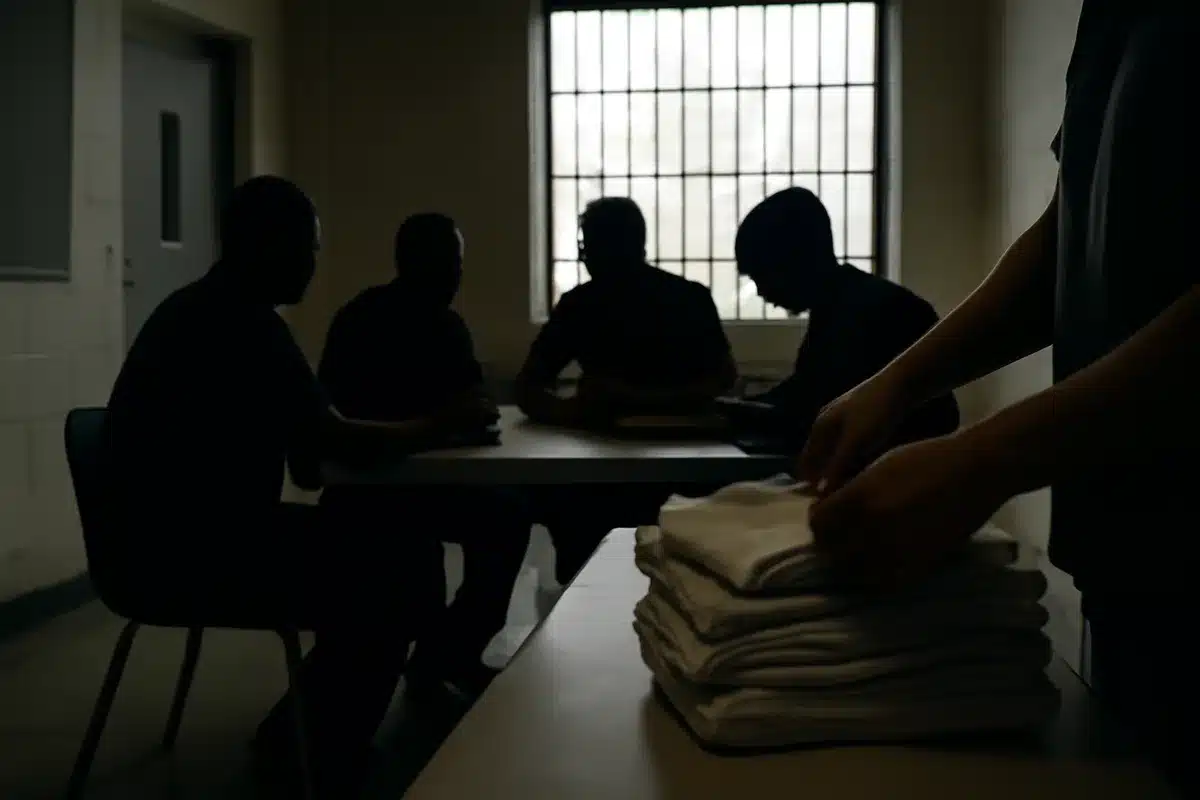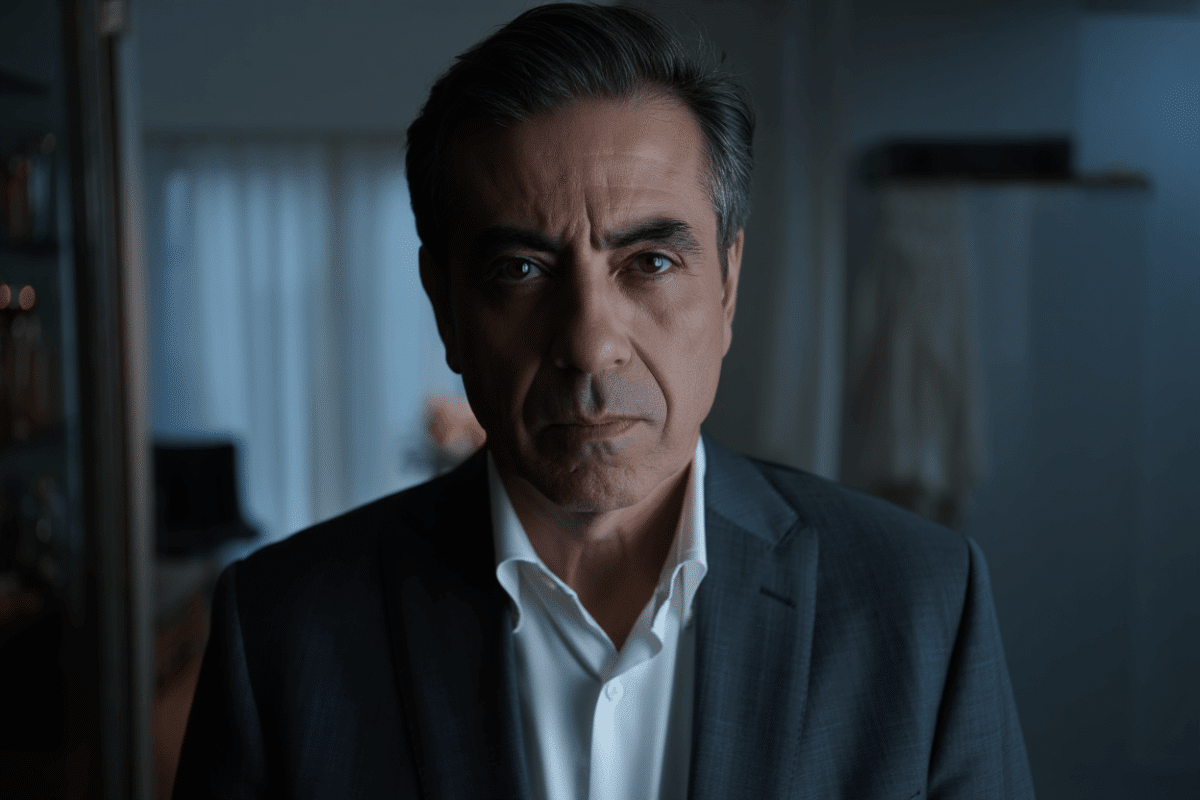
Apple TV unveils its most ambitious psychological thriller with Cape Fear, premiering June 5, 2026 with a two-episode debut. The reimagined limited series reunites legendary filmmakers Martin Scorsese and Steven Spielberg as executive producers, bringing Javier Bardem into the role of Max Cady—a menacing ex-convict seeking revenge on the married attorneys who represented him 17 years earlier. Alongside Amy Adams and Patrick Wilson, this adaptation shifts focus from physical violence to psychological warfare, introducing themes of gaslighting and paranoia that redefine the classic thriller for contemporary audiences.
🔥 Quick Facts
- Premiere Date: Friday, June 5, 2026 with two episodes on Apple TV
- Release Schedule: Weekly episodes through July 31, 2026
- Created By: Nick Antosca (showrunner and writer)
- Based On: John D. MacDonald’s 1957 novel ‘The Executioners’
- Executive Producers: Martin Scorsese and Steven Spielberg
A Trilogy of Adaptations: Understanding the Evolution
Cape Fear now exists in three distinct cinematic eras. The 1962 original starred Gregory Peck and Robert Mitchum, establishing the foundational story of a lawyer terrorized by a released criminal. Martin Scorsese’s 1991 remake amplified the brutality with Robert De Niro delivering a more psychologically complex villain—tattooed, educated in law, and philosophically twisted. His Max Cady became an icon of calculated menace, raising the stakes through explicit violence and sexual predation.
The 2026 Apple TV+ adaptation shifts the paradigm entirely. Rather than escalating physical violence, Nick Antosca‘s vision emphasizes mental deterioration, institutional vulnerability, and the manipulation of law itself. Bardem’s Cady exploits legal loopholes his former attorneys created, weaponizing the system they represent. This distinction matters: earlier versions asked “Can the family survive?” The new series asks “Can they distinguish reality from fabrication?”
The Psychiatric Core: Gaslighting as Central Theme
Cody Antosca designed the series around psychological manipulation rather than physical threat. In interviews, the showrunner emphasized that Cady’s greatest weapon is not violence but the inability of his victims to prove what’s happening to them. This reflects contemporary anxieties: institutional skepticism, the erosion of personal testimony, and the weaponization of plausible deniability.
Amy Adams plays Anna Bowden, an attorney whose professional expertise becomes a liability—she understands the law’s limitations, the gaps in evidence, the implausibility of her own experience. Patrick Wilson‘s Tom Bowden exists in a state of mounting paranoia, questioning his wife’s perceptions even as their family destabilizes. Javier Bardem has stated his version of Cady is “a man in complete control,” never raising his voice, never crossing obvious legal lines, yet orchestrating cascading psychological collapse with surgical precision.
| Production Element | Details |
| Creator/Showrunner | Nick Antosca |
| Pilot Director | Morten Tyldum (Academy Award nominee) |
| Episode Count | 10 episodes, limited series |
| Release Format | Two-episode premiere, then weekly through July 31 |
| Lead Cast (Primary) | Javier Bardem, Amy Adams, Patrick Wilson |
| Supporting Cast | CCH Pounder, Lily Collias, Jamie Hector |
| Source Material | John D. MacDonald novel (1957) |
Casting Excellence: How Bardem, Adams, and Wilson Embody Psychological Warfare
Javier Bardem brings Oscar-caliber menace to Max Cady. Known for roles in “No Country for Old Men” and “Skyfall,” Bardem specializes in antagonists whose danger emerges through restraint rather than aggression. His Cady wears respectability as a mask. He cites relevant case law, complies technically with restraining orders, and strategically vanishes before authorities can establish patterns—all while systematically dismantling his former lawyers’ lives.
Amy Adams transforms Anna Bowden from a supporting character into the emotional center of the crisis. Her professional confidence becomes a trap: she initially dismisses warnings, rationalizes anomalies, and resists the possibility that she cannot control what’s happening. This internal conflict—between intellect and intuition, evidence and experience—defines her character arc.
Patrick Wilson, cast as Tom Bowden, portrays a man whose grip on reality fractures incrementally. Unlike traditional thrillers that place husbands in protective roles, Wilson’s Bowden becomes increasingly unreliable, his perception warped by fear and isolation. The dynamic between him and Adams is the series’ emotional core: two intelligent professionals who cannot agree on reality itself.
How This Adaptation Updates a Classic Formula
The 1991 Scorsese version relied on suburban vulnerability and sexual threat. Cape Fear 2026 operates in a different threat landscape: digital surveillance, institutional corruption, and legal vulnerability. Cady uses knowledge of the legal system—the very infrastructure meant to protect the Bowdens—as his weapon.
Nick Antosca‘s showrunning credits include “The Mist” and “Candy,” projects balancing genre spectacle with character depth. For Cape Fear, he has structured the narrative around erosion rather than invasion. The family doesn’t barricade against external threat—they implode from internal doubt, microaggressions, and the dawning realization that the perpetrator understands their system better than they do.
Morten Tyldum, pilot director and executive producer, brought similar psychological precision to “The Imitation Game” and “Passengers.” His visual approach emphasizes spatial isolation: the Bowdens increasingly confined, visually trapped in frames, mirroring psychological entrapment.
What This Series Signals About Contemporary Thriller Television
The pairing of Scorsese and Spielberg as executive producers signals confidence in serialized psychological horror. Both directors have shaped how audiences perceive menace—Scorsese through moral ambiguity and Spielberg through suspenseful vulnerability. Cape Fear merges these approaches: audiences will not simply fear Cady but understand his logic, his weapons, his methodology.
The limited series format—10 episodes rather than open-ended seasons—allows Antosca to sustain psychological tension without dilution. Each episode can escalate the family’s paranoia and Cady’s control simultaneously, building to a conclusion where resolution follows psychological devastation rather than physical confrontation.
“Fear takes hold” when institutions fail, boundaries blur, and the law—meant to protect—becomes a weapon.
— Official Apple TV+ Marketing Description
June 5 Marks the Beginning of Systematic Psychological Siege
The two-episode premiere on June 5 establishes the terms of engagement: Max Cady‘s release, his initial contact with the Bowdens, and the family’s initial dismissal of threat. Subsequent episodes will track his escalating manipulation, their fractured responses, and the series’ central question: Can a family survive an adversary who weaponizes their own legal system and personal doubts?
Apple TV+’s production parameters permit extended character development and visual storytelling impossible in network television. Each episode has space to breathe, to establish atmosphere, and to anatomize psychological deterioration with precision. By July 31, when the finale airs, audiences will have experienced 10 hours of sustained, carefully constructed menace.