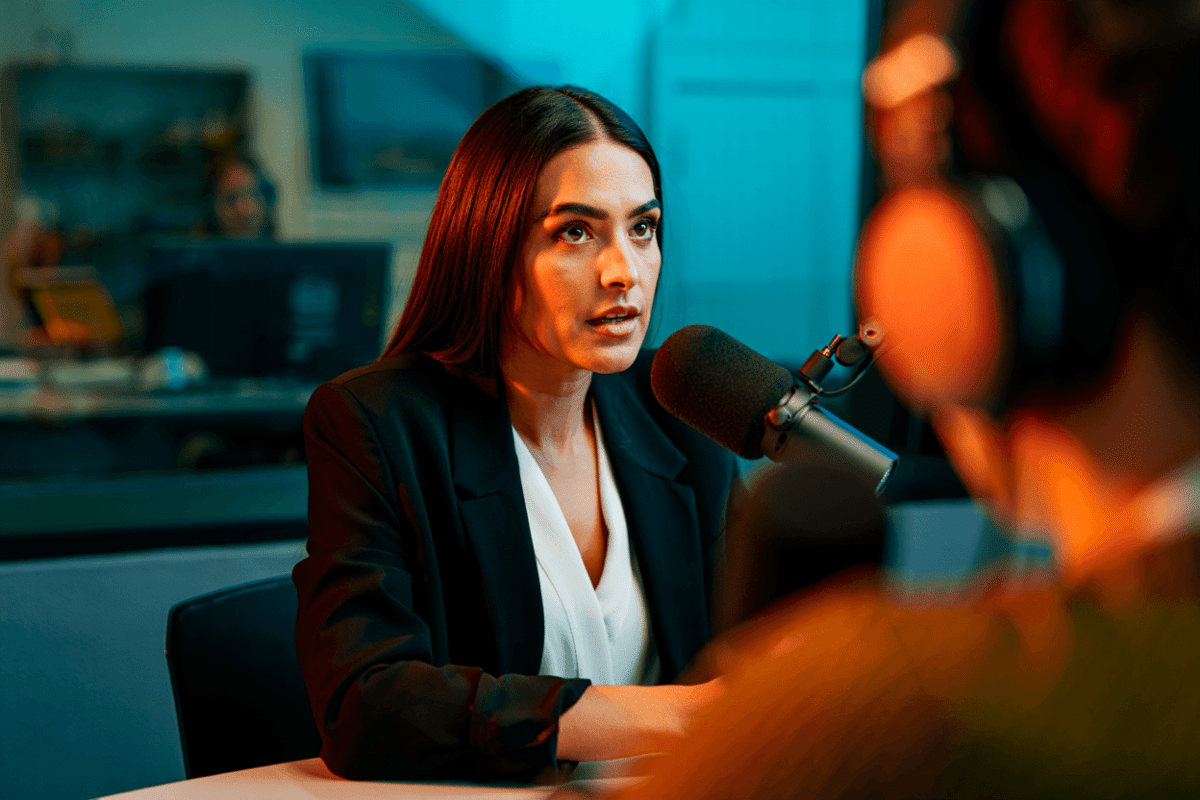
Candace Owens expressed remorse during a nearly two-hour interview with Hunter Biden that aired on her podcast on May 21, 2026. The conversation marked an unexpected reversal, with the conservative commentator acknowledging she had failed to account for the complexity of addiction when critiquing Biden in years past. Biden, for his part, opened candidly about his battle with substance abuse and recovery process.
🔥 Quick Facts
- The interview aired May 21, 2026, generating significant media attention across major outlets.
- Candace Owens stated she viewed Biden “as a caricature” rather than understanding addiction’s complexity.
- Hunter Biden described his addiction as “potentially deadly on a daily basis” at its peak.
- The conversation lasted nearly 2 hours, covering addiction, faith, family, and the political fallout from past criticisms.
How the Unlikely Interview Came Together
The Candace Owens podcast has established itself as one of the most prominent platforms for extended, substantive interviews in conservative media. The decision to invite Hunter Biden broke significant ground, given that Owens had spent years critiquing both Biden and his family from a political perspective. According to reporting from The Atlantic and The New York Times, the interview represented a moment of personal reflection for Owens. She acknowledged participating in what she termed the “political machine” that had dehumanized Biden during periods when he was struggling privately with addiction recovery.
Inside the Conversation: Addiction and Accountability
Hunter Biden did not shy away from discussing the severity of his addiction. During the interview, he characterized himself as a “crackhead” when addressing Owens‘s past comments directly. He explained that at the height of his addiction, daily survival felt uncertain and his dependency had escalated to dangerous levels. Biden emphasized the role of daily recovery meetings in his current life, stating “I’m going to a meeting every day.” This detail reflected the infrastructure of ongoing support required for maintaining sobriety.
Owens‘s contribution was equally significant. Rather than defending her previous rhetoric, she articulated a fuller understanding of how her commentary may have contributed to public stigmatization of Biden during vulnerable periods. Her apology focused on the failure to recognize that addiction is not a moral failing but a medical condition requiring compassion and understanding. This represented a marked departure from the partisan political commentary that had characterized much of the public discourse.
Key Media Commentary and Response
Coverage from The Washington Post, Newsweek, The Atlantic, and Salon highlighted distinct aspects of the interview. The Washington Post noted that Biden‘s willingness to engage with a longtime critic demonstrated significant personal confidence and commitment to transparency. The Atlantic’s analysis observed that Owens’s apology signaled a potential broader recalibration of how public figures discuss addiction in American political discourse. Salon’s coverage emphasized the “brutal honesty” of Biden‘s descriptions, particularly regarding suicide ideation and public humiliation during his lowest periods.
| Topic | Key Insight | Duration |
| Addiction Discussion | Detailed breakdown of severity and daily recovery requirements | ~45 minutes |
| Owens Apology | Explicit acknowledgment of dehumanization and political motivation | ~20 minutes |
| Laptop Controversy | Biden addressed allegations with context about personal struggles | ~30 minutes |
| Catholic Faith | Role of spirituality in recovery and family relationships | ~15 minutes |
“I treated you like a caricature rather than a human being going through something extraordinarily difficult. I participated in a political machine that dehumanized you when you needed compassion most.”
— Candace Owens, podcast host and conservative commentator
Implications for Political Discourse and Addiction Awareness
The interview carries broader significance beyond the immediate participants. Public figures and media commentators increasingly face questions about their responsibility when covering individuals struggling with documented addiction. Owens’s willingness to reverse course suggests that political opponents can find common ground when discussing public health crises like addiction. Hunter Biden’s openness about recovery—particularly his emphasis on daily meetings and consistent effort—provides a public model for others battling similar dependencies.
The conversation also illuminates evolving standards for how conservative media outlets engage with Democratic figures and their families. Rather than maintaining adversarial positioning, Owens created space for nuanced discussion about topics frequently reduced to talking points in partisan media ecosystems. This shift may influence future interview formats and the types of personal accountability discussions that cable news and podcast platforms feature.
Where Does This Leave the Political Landscape?
The interview raises questions about whether partisan divides can narrow when personal credibility and recovery are at stake. Biden’s candor about his ongoing fight against addiction—including his reliance on daily recovery infrastructure—establishes him as someone invested in transparency rather than deflection. Owens’s apology demonstrates that public retractions and recalibrations of previous positions remain possible in an era of intense political polarization.