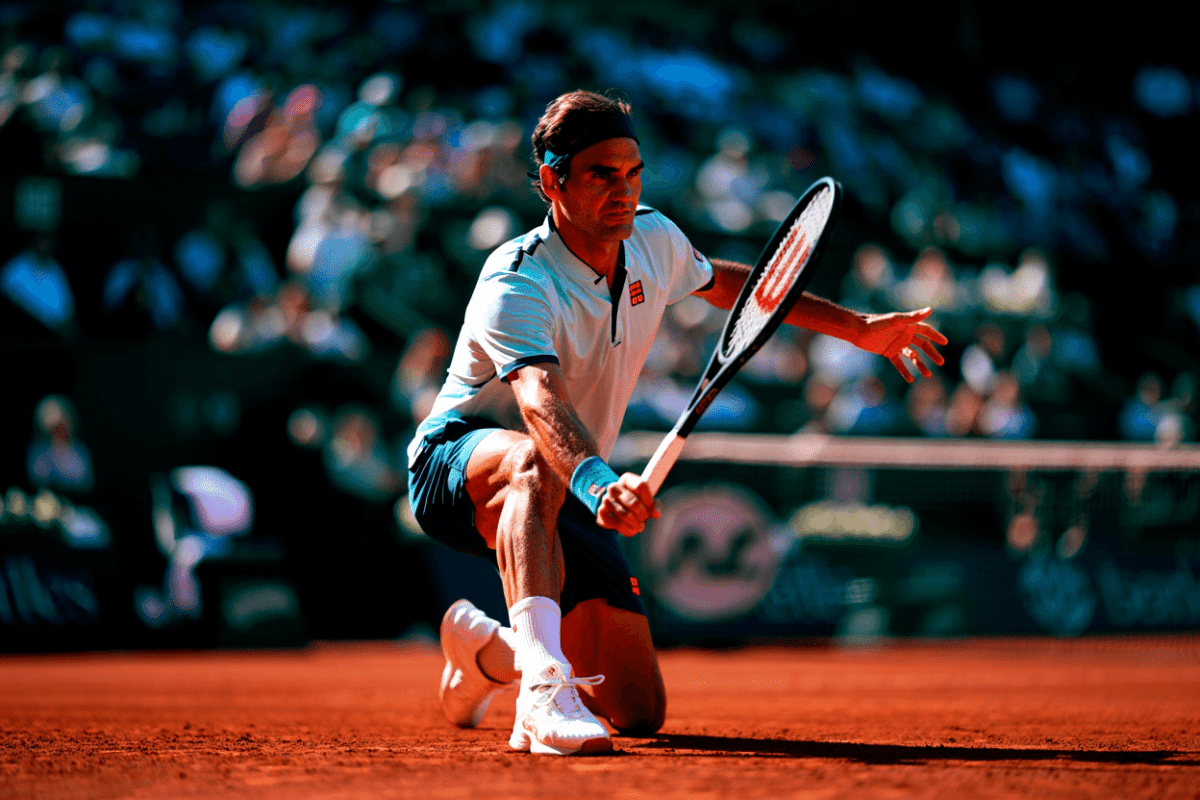
Stan Wawrinka, the 41-year-old Swiss veteran, opened his final Roland Garros campaign against Dutch lucky loser Jesper de Jong on May 25, 2026. This marks the beginning of Wawrinka’s farewell tour after 24 seasons on the ATP circuit. The three-time Grand Slam champion announced in December 2025 that 2026 would be his last year competing professionally, making every match in Paris carry historic weight.
🔥 Quick Facts
- Wawrinka age 41 — oldest man in ATP top 100 by over two years
- Three Grand Slam titles — 2014 Australian Open, 2015 French Open, 2016 US Open
- 2026 final season — announced retirement after 24 pro seasons
- 588 career wins — 16 ATP titles across 38 seasons competing
- Roland Garros 2015 champion — defeated Novak Djokovic in final 4-6, 6-4, 6-4, 6-4
An Unprecedented Final Chapter in Professional Tennis
Wawrinka’s farewell tour represents one of tennis’s most remarkable longevity stories. At an age when most players have retired, the Swiss star remains competitive enough to compete at the Grand Slam level. His presence at Roland Garros 2026 marked his return to the scene of his greatest triumph — the 2015 French Open title where he defeated the then-world number one Djokovic across four sets.
The journey from his Australian Open debut in 2002 to this final appearance underscores longevity rarely seen in the modern era. Roger Federer remains the only player in recent decades to match Wawrinka’s exceptional staying power at the professional level.
The One-Handed Backhand Legacy That Defined His Career
Throughout his career, Wawrinka became universally recognized for possessing one of the greatest one-handed backhands in tennis history. His technical mastery of this shot — combining heavy topspin, penetrating depth, and unexpected angles — transformed it into an offensive weapon that confounded opponents for nearly two decades.
Former coach Paul Annacone and numerous tennis analysts have highlighted how Wawrinka’s shoulder rotation and timing generated extraordinary pace on the backhand wing. The shot proved particularly decisive in his three major victories, where opponents struggled to manage both his forehand power and backhand consistency.
Career Statistics and Tournament Performance
| Career Stat | Record |
| Career Matches | 588 wins – 386 losses (60.4% win rate) |
| ATP Titles | 16 singles titles throughout career |
| Grand Slam Finals | 4 appearances, 3 championships won |
| Prize Money | $38.3+ million (singles and doubles) |
| Career Peak Ranking | World number 3 (January 27, 2014) |
| Current Ranking (May 2026) | Inside top 100 at age 41 |
Wawrinka’s ability to maintain a 60%+ win rate across nearly 1,000 professional matches reflects consistent excellence. His three Grand Slam victories arrived in peak form years — each championship marked his defeat of the then-reigning world number one in the respective final.
“One last push. I can feel emotions and gratitude for what this sport gave me.”
— Stan Wawrinka, on his retirement decision, December 2025
The Significance of 2015 Roland Garros and His Legacy at This Tournament
Roland Garros holds unique meaning for Wawrinka beyond his other Grand Slam victories. His 2015 championship run required defeating three major contenders in succession, culminating in the dominant final performance against Djokovic. The French crowd embraced his underdog narrative that year.
Returning to Roland Garros for his final professional tournament offers poetic closure. The clay courts where he achieved his greatest Grand Slam triumph now host his farewell, carrying profound symbolic weight for both Wawrinka and the tennis world witnessing the end of an era.
What Lies Beyond 2026 for Tennis and Wawrinka’s Legacy?
As professional tennis evolves, Wawrinka’s retirement marks the departure of one of the last representatives of an earlier generation who maintained elite-level competitiveness into their fifth decade. His longevity challenges assumptions about athletic peak windows and demonstrates exceptional physical maintenance.
The tennis community will reflect on his contributions beyond championships — his technical mastery, shot-making creativity, and the inspiration his sustained career provides to aging professional athletes across all sports. His presence at this year’s Grand Slams represents living history for fans who witnessed his rise to prominence.
Sources
- ATP Tour Official — Career statistics, rankings, and prize money records
- Roland Garros Official Site — Tournament schedule and championship history
- Sports News Services — Match coverage and retirement announcement details
- Tennis Broadcasting Networks — Career analysis and commentary on Wawrinka’s playing style