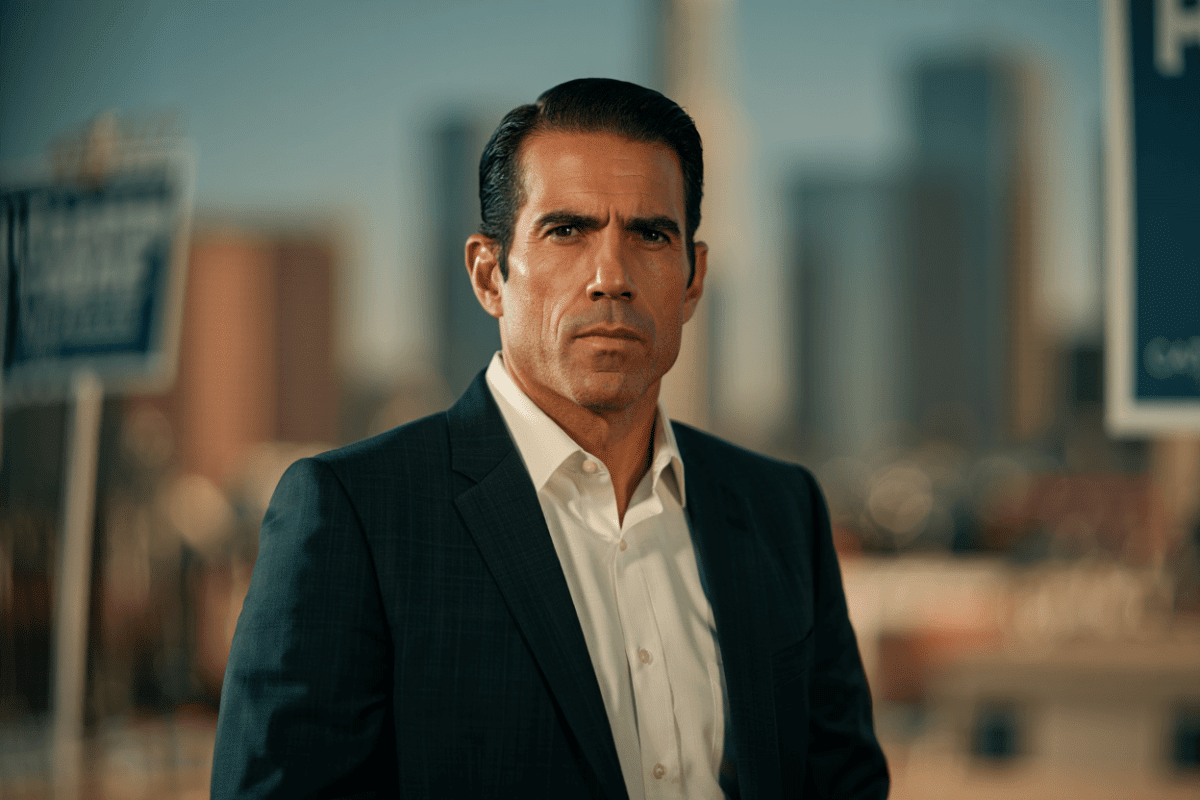
Spencer Pratt, the 42-year-old former reality television personality from “The Hills,” is gaining significant traction in the Los Angeles mayoral race by channeling widespread voter frustration over crime, homelessness, and political gridlock. With less than two weeks until the June 2 primary election, Pratt has raised $2.72 million—nearly 10 times more than incumbent Mayor Karen Bass—signaling a potential realignment in how Los Angeles voters evaluate mayoral candidates in 2026.
🔥 Quick Facts
- Spencer Pratt raised $2.72 million in recent campaign filings, dwarfing competitors’ totals.
- Los Angeles primary election scheduled for June 2, 2026, with a potential runoff in November.
- Pratt runs as independent despite being a registered Republican, according to campaign filings.
- Three major candidates remain: Pratt, incumbent Bass, and City Councilwoman Raman.
From Reality Television Antagonist to Political Contender
Pratt gained prominence as a polarizing figure on MTV’s “The Hills,” where he became known for controversial behavior and manipulative social dynamics. His entry into Los Angeles politics marks a dramatic career pivot that some analysts describe as unconventional but others view as symptomatic of broader voter frustration with traditional politicians. Born August 14, 1983, Pratt has spent decades in entertainment before pivoting his brand toward civic leadership.
The campaign’s momentum reveals a critical shift: voters across Los Angeles appear more willing to consider non-traditional candidates when establishment figures fail to address basic quality-of-life concerns. Pratt’s candidacy taps into deep dissatisfaction with incumbent leadership on visible urban issues—a factor reflected in recent polling dynamics and campaign finance data.
Campaign Strategy Built on Voter Frustration Rather Than Political Ideology
According to USA Today analysis, Pratt’s campaign framework centers on frustration with current governance rather than traditional partisan appeals or MAGA-aligned rhetoric. This strategic distinction has allowed Pratt to attract voters across demographic and ideological lines who share concerns about safety, homelessness visibility, and bureaucratic ineffectiveness. His messaging emphasizes action and directness over policy nuance—an approach that resonates with voters fatigued by political gridlock.
Pratt’s social media-savvy campaign utilizes viral moments, AI-generated content, and unconventional advertising to bypass traditional media gatekeeping. The campaign hosts community block parties, appears frequently in South Los Angeles, and maintains high digital visibility—tactics that leverage his entertainment background and celebrity recognition.
Financial Dominance Signals Unprecedented Campaign Momentum
| Candidate | Total Raised (2026 Cycle) | Primary Status |
| Spencer Pratt | $2.72 million+ | Leader |
| Karen Bass | ~$300,000 | Incumbent |
| Nithya Raman | <$1 million | Competitor |
Pratt’s fundraising surge exceeds historical norms for non-incumbent mayoral candidates in Los Angeles. The scale of financial support reflects either exceptional grassroots mobilization or significant institutional backing—details that political analysts are examining closely. Campaign finance reports show $3.2 million total in his war chest as of May 25, 2026, making him the clear financial frontrunner with weeks remaining before the primary.
This financial advantage translates directly to media presence, field operations, and advertising capacity—resources that typically correlate with electoral success in major metropolitan races.
“Spencer Pratt isn’t running on MAGA. He’s running on frustration. And that frustration is real for Los Angeles voters dealing with crime, homelessness, and a sense that city government isn’t delivering.”
— Political analyst covering LA mayoral race, USA Today, May 24, 2026
Broader Implications for Urban Politics in 2026
Pratt’s campaign raises questions about how major cities evaluate leadership qualifications in an era of institutional frustration. His success demonstrates that celebrity recognition, media savvy, and clear messaging on visible urban problems can outweigh traditional credentials in electoral dynamics. If Pratt advances through the primary, the general election will test whether voters ultimately support a non-traditional candidate or revert to establishment choices.
Los Angeles’s 2026 mayoral race is receiving national attention as a potential bellwether of voter sentiment regarding traditional versus unconventional leadership. Tech entrepreneurs, celebrities, and political outsiders are monitoring the campaign for insights into emerging electoral patterns in America’s second-largest city.
What Will the June 2 Primary Reveal About Los Angeles Voters?
The primary election on June 2, 2026 will indicate whether Pratt’s momentum reflects genuine voter demand for alternative leadership or represents a volatile protest vote unlikely to determine the general election. Historical patterns suggest that fundraising dominance often correlates with primary performance, but Los Angeles’s diverse electorate and ranked-choice voting dynamics introduce uncertainty.
If Pratt finishes in the top two and advances to the November runoff, the race will intensify scrutiny on his policy positions, experience, and ability to govern a major metropolitan area. Alternatively, if establishment candidates consolidate enough votes, traditional politics could prevail—though the financial and momentum indicators suggest the primary will be more competitive than historical Los Angeles mayoral contests.
Sources
- Los Angeles Times – Campaign finance reporting and candidate analysis, May 22-25, 2026.
- USA Today – Opinion analysis on voter frustration and campaign dynamics, May 24, 2026.
- Wikipedia – Spencer Pratt biographical information and 2026 mayoral race context.
- Ballotpedia – Official candidate filing information and election dates.
- Fox News – Campaign coverage and momentum analysis, May 24-25, 2026.