Obsession, the low-budget supernatural horror film from emerging director Curry Barker, surged 30% in its second weekend, earning $22 million domestically and bringing its domestic total to $52.8 million. The film’s rare box office trajectory—where weekend grosses actually increased—defies typical industry patterns and signals a genuine word-of-mouth phenomenon driving audiences back to theaters.
🔥 Quick Facts
- Second weekend haul: $22 million across 2,655 North American theaters
- 30% weekend-to-weekend increase from opening’s $17.2 million
- 10-day domestic total: $52.8 million against a $750,000 budget
- Worldwide gross: $74-79 million, making it a historic profitability case
- Distributed by Focus Features, now tracking toward $100 million domestic
The Rarity of a Second-Weekend Surge in Modern Horror
The horror genre typically experiences steep second-weekend declines. Most films lose 50-60% of their opening weekend grosses in week two due to franchise fatigue and newer releases absorbing audience share. Obsession’s 30% increase represents an exceptionally rare achievement—the film earned more money its second weekend than its debut, a phenomenon that signals authentic audience enthusiasm rather than opening-week novelty.
This pattern mirrors the success model of films like Paranormal Activity (2009), which became the lowest-budget film to top the domestic day-by-day box office in modern history. Obsession recently claimed that same distinction, becoming the cheapest film to lead the domestic daily box office in 17 years. The film’s sustained momentum indicates that word-of-mouth recommendations—not marketing spend—are driving repeat and new audiences.
Who Made This Happen: Curry Barker’s Vision and Casting Precision
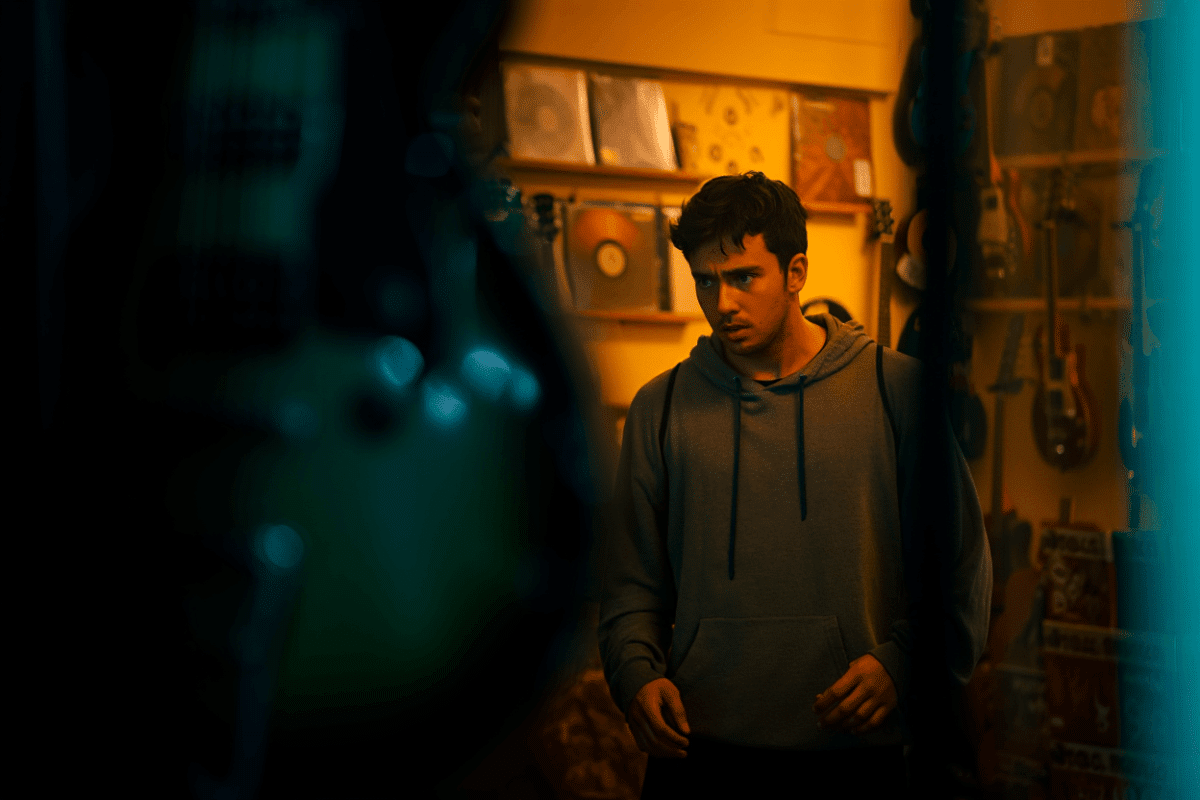
Director and writer Curry Barker crafted Obsession on a reported budget of just $750,000, an amount that typically funds only limited releases or straight-to-streaming projects. Yet Barker’s disciplined approach to supernatural horror—combined with strategic casting—transformed micro-budget constraints into creative advantages. The film follows Bear (played by Michael Johnston), a music store employee harboring a long-standing crush on his childhood friend Nikki (portrayed by Inde Navarrette).
The premise centers on a cursed toy called the “One Wish Willow,” which grants Bear’s wish for Nikki to fall in love with him. What follows is a carefully escalating sequence of horrifying supernatural consequences. Navarrette’s performance has been particularly highlighted as a breakout element, with industry observers crediting her screen presence as essential to the film’s audience appeal. Focus Features’ distribution strategy ensured the film reached mainstream multiplexes rather than remaining confined to indie circuits.
Comparative Box Office Performance: Speed-to-Milestone Analysis
| Metric | Obsession (2026) | Paranormal Activity (2009) |
| Opening Weekend | $17.2 million | $7.3 million |
| Second Weekend | $22 million (+30%) | $9.4 million (-46%) |
| 10-Day Domestic | $52.8 million | $21.2 million |
| Production Budget | $750,000 | $15,000 |
| ROI (10 days) | 7,040% return | 141,333% return |
While Paranormal Activity’s larger ROI reflected its revolutionary ultra-micro-budget model, Obsession’s performance is equally remarkable when contextualized within modern theatrical distribution. The film is tracking to surpass $100 million domestically, a milestone that would place it among the highest-grossing horror films of 2026—all from a production that cost less than many television commercials.
“Obsession has become an unprecented box office success story in how it demonstrates the power of word-of-mouth and authentic storytelling over bloated marketing budgets.”
— Per Variety, covering the film’s industry significance
Why This Matters for Horror’s Future and Box Office Dynamics
Obsession’s success fundamentally challenges the studio assumption that theatrical horror requires massive marketing investments. The film’s weekend-to-weekend growth indicates that filmmakers and distributors can achieve blockbuster-level returns through disciplined creative choices and strategic platform release strategies. Inde Navarrette’s emergence as a bankable lead talent—demonstrated by audience retention rates—signals potential casting advantages for future horror projects centered on compelling performances rather than star power.
The film’s 8.2/10 rating on IMDb (from over 27,000 viewer ratings) demonstrates that positive critical reception translated into sustained theatrical demand. This mirrors professional critical consensus: Rotten Tomatoes reported a 95% critical score, rare for low-budget horror films. The alignment of critical and audience reception suggests that Obsession succeeded not through novelty or hype, but through genuine quality and emotional resonance.
What Comes Next: Implications for the 2026 Horror Calendar and Indie Cinema
Obsession’s momentum raises immediate questions about theatrical demand for additional horror releases this calendar year. Focus Features is likely to extend the film’s theatrical run, given that second-weekend gains typically indicate extended legs rather than flash-in-the-pan appeal. The success also positions Curry Barker as a marquee directorial talent, with major studios potentially competing for his next project.
Beyond single-film implications, Obsession suggests a broader shift in audience preferences toward psychological and supernatural horror over visceral gore-focused entries. This creative distinction may influence studio greenlight decisions for 2027 horror slates, potentially favoring the elevated horror model (character-driven, atmosphere-dependent storytelling) over franchise sequels and reboots.
How Does This Second-Weekend Performance Change Box Office Expectations?
The film’s sustained growth challenges the predictive models that studios have relied on for decades. If word-of-mouth momentum can override conventional box office gravity, then opening weekend results become less determinative of a film’s ultimate gross. Studios may need to recalibrate their investment strategies around audience authenticity metrics rather than opening-day velocity alone. This has profound implications for how films are positioned, marketed, and released in competitive theatrical windows.
For audiences, Obsession’s success validates the power of independent voices in mainstream cinema. A 26-year-old filmmaker operating with a budget 100x smaller than typical studio horror productions achieved commercial results that challenge industry incumbency and creative gatekeeping. The film proves that authentic storytelling, disciplined execution, and trust in audience intelligence can compete with franchise tentpoles and star-power vehicles.
Sources
- Variety – Box office reporting and industry analysis on Obsession’s milestone achievement
- Box Office Mojo – Domestic and international box office tracking data
- Deadline Hollywood – Weekend box office reporting and comparative performance analysis
- Focus Features – Official distribution and release information
- Wikipedia (Obsession 2025 film) – Cast, plot, budget, and production details
- IMDb – Audience ratings, runtime, technical specifications