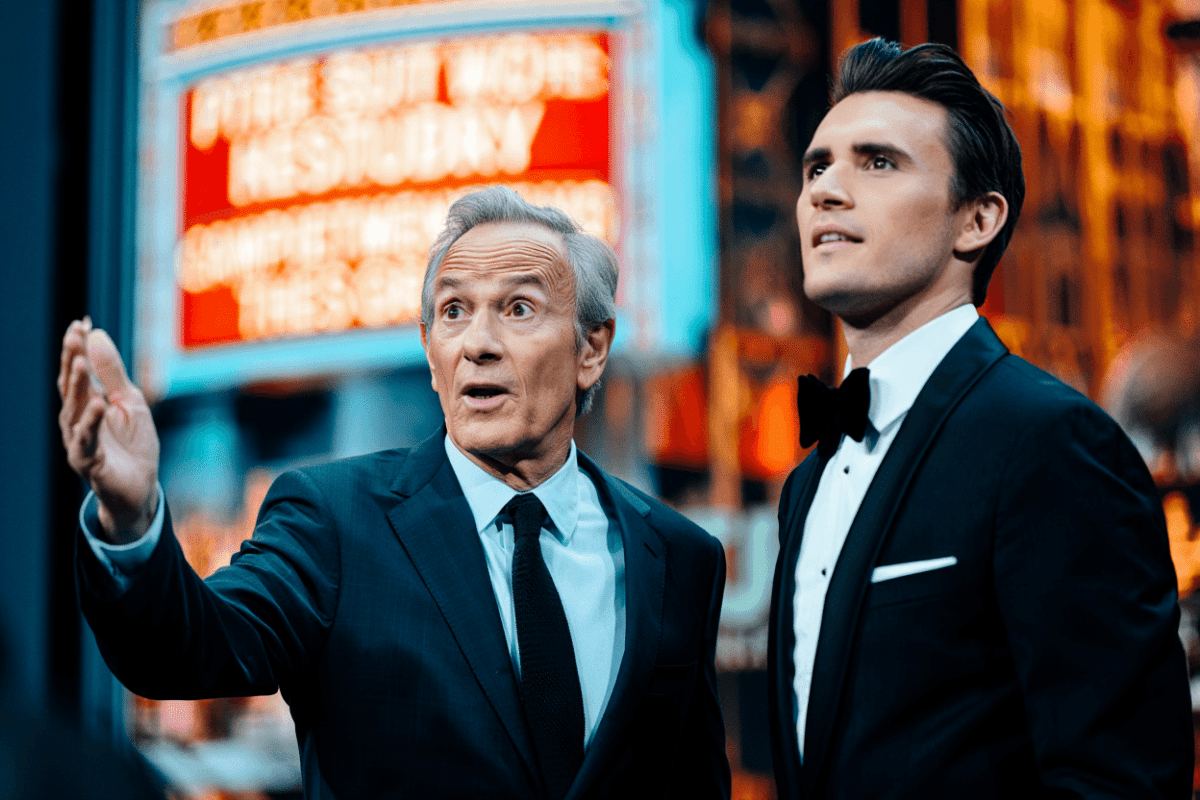
David Letterman made an emotional return to the Ed Sullivan Theatre on May 21, 2026, appearing during Stephen Colbert’s final episode of The Late Show to bid farewell to CBS and the iconic 33-year legacy of late-night broadcasting that defined television history. In candid remarks captured during the finale, the legendary host voiced his displeasure with the network’s decision to end Colbert’s run, calling the cancellation a “huge mistake” that represents a significant loss for American comedy and culture.
🔥 Quick Facts
- Stephen Colbert’s final Late Show episode aired Thursday, May 21, 2026
- The finale drew 6.7 million viewers, setting a weeknight ratings record
- David Letterman appeared on the final show, marking a historic reunion at the theater
- The Ed Sullivan Theatre hosted “The Late Show” franchise for 33 consecutive years (1993–2026)
- Paul McCartney, Elvis Costello, and Jon Batiste performed in the musical finale
Letterman’s Return to Broadway and CBS Critique
Letterman’s appearance during Colbert’s final broadcast represented a full-circle moment for late-night television. The former host brought his signature irreverent humor to the occasion, including a callback to one of his most famous running bits—destroying CBS property on stage. However, beneath the comedy lay a serious message: Letterman expressed genuine disappointment about the network’s decision to end the program after 11 years under Colbert’s leadership.
According to reporting from TODAY and other major outlets, Letterman stated that ending The Late Show represents a “huge mistake” and constitutes a loss for American culture. CBS characterized the decision as driven by financial considerations, with a network spokesperson citing it as an “unequivocally a financial decision.” Letterman expressed his disbelief at the practical realities forcing such choices in the modern media landscape, suggesting the cancellation contradicts the historical importance of late-night comedy.
The Final Episode: Ratings, Guests, and Emotional Sendoff
The Late Show’s series finale delivered one of the most-watched weeknight broadcasts in recent television memory. The expanded episode, which aired at 11:35 PM ET on May 21, drew a 6.7 to 6.74 million viewer audience—significantly exceeding the show’s typical recent entertainment programming viewership and ranking among the highest nights for late-night television in 2026.
Colbert’s final broadcast balanced nostalgia with forward-looking reflection. The host thanked his studio audience, crew, and loyal viewers who supported the program throughout its tenure. A parade of celebrity guests and well-wishers appeared throughout the extended episode, cementing the show’s cultural footprint. The finale showcased the collaborative spirit that defined Colbert’s 11-year stewardship of the program, from comedy sketches to poignant tributes.
The Late Show’s Historic Performance and Legacy
| Metric | Details |
| Final Episode Air Date | May 21, 2026 |
| Final Episode Viewership | 6.7–6.74 million viewers |
| Colbert’s Tenure (Years) | 11 years (2015–2026) |
| Letterman’s Tenure (Years) | 22 years (1993–2015) |
| Combined Ed Sullivan Theatre Tenure | 33 years (1993–2026) |
| Total Late Show Episodes (Colbert Era) | 1,800 episodes |
The final episode’s performance underscores the enduring cultural resonance of late-night television. Colbert’s 11-year run followed Letterman’s historic 22-year tenure, making the Ed Sullivan Theatre synonymous with comedy excellence and topical commentary. The combined 33-year legacy represents one of broadcast television’s longest continuous commitments to late-night programming from a single venue.
“I think it’s a huge mistake. It’s a loss for American culture. Colbert is a brilliant person, and it’s a shame to lose him.”
— David Letterman, former host of The Late Show, in reaction to the program’s cancellation
What CBS’s Decision Signals for Late-Night Television’s Future
Letterman expressed surprise at the network’s willingness to abandon the late-night franchise. In interviews, he suggested that few broadcasters would make such a decision, implying that cost-cutting has become the dominant factor in programming decisions. The shift reflects broader challenges in traditional broadcast television, where advertising revenue and viewership patterns have shifted dramatically over the past decade.
CBS has announced plans to replace The Late Show with Byron Allen’s Comics Unleashed, a syndicated comedy-focused program. This signals a pivot away from the traditional talk-show format that once dominated the time slot. Letterman’s remarks suggest nostalgia for an era when networks prioritized cultural prestige and institutional legacy alongside profitability—values that increasingly compete with shareholder demands.
Can Late-Night Comedy Survive Without Network Television?
The cancellation of The Late Show raises pressing questions about the future of live, topical comedy in the broadcast era. Colbert’s finale drew substantial viewership despite cord-cutting trends, suggesting audience appetite remains strong. However, CBS’s decision reflects the economic reality that even successful shows no longer guarantee profitability under traditional network models. Streaming platforms and digital-native creators have fragmented the audience that once made late-night television a cultural cornerstone. Will traditional broadcasters continue experimenting with the format, or has the era of network-produced late-night shows reached its natural end?
Sources
- USA Today — Full recap and live updates from the May 21 finale
- The New York Times — David Letterman’s reaction and CBS decision analysis
- NPR — Coverage of the musical finale with Paul McCartney and production details
- CNN — Viewership ratings and cultural significance analysis
- NBC’s TODAY Show — David Letterman exclusive interview and commentary