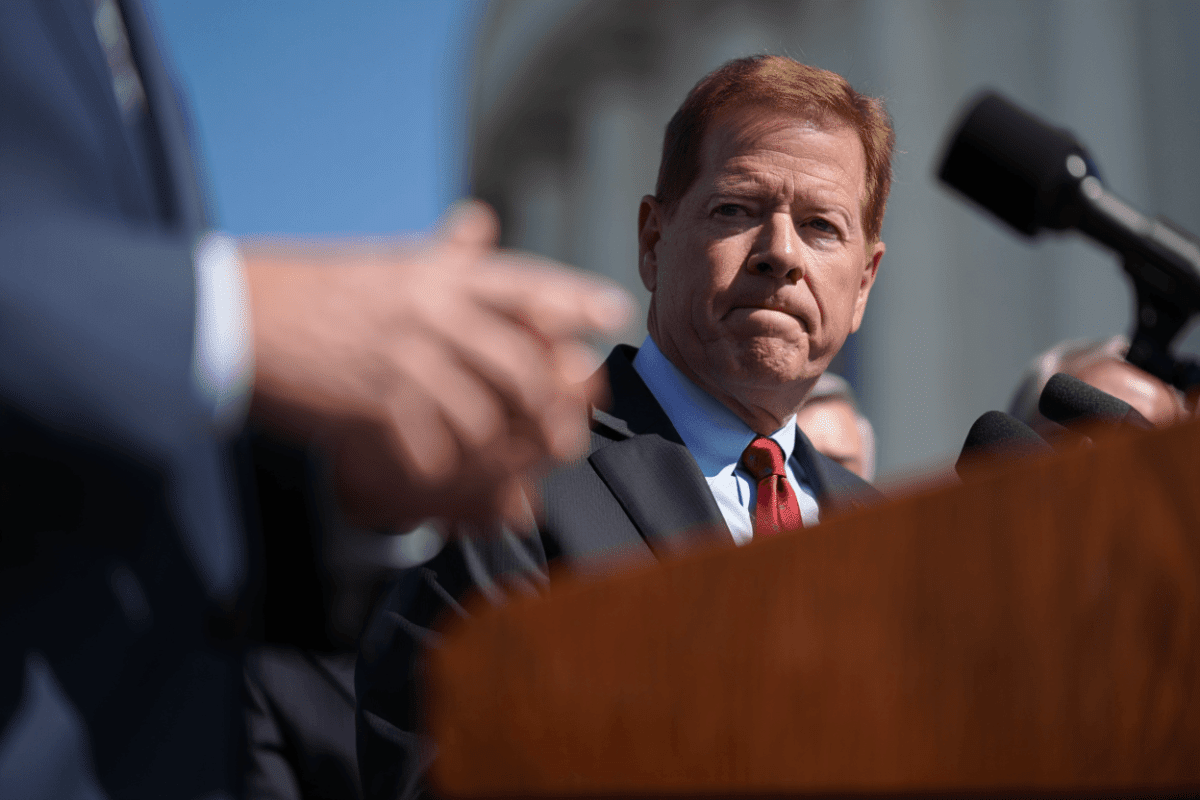
Trump approval rating has fallen to 35-37% in multiple major polls released in May 2026, reaching the lowest point of his second term since taking office in January 2025. The decline follows months of economic pressure and public disapproval of the U.S.-Iran military conflict that began February 28, 2026, which has driven inflation concerns and geopolitical instability across American households. According to recent surveys, only 22% of Americans approve of Trump’s handling of the cost of living, reflecting deep economic anxiety among voters across party lines.
🔥 Quick Facts
- Trump approval rating stands at 35-37% as of mid-May 2026, per multiple polling organizations
- 59-65% of Americans disapprove of Trump’s job performance, with disapproval reaching record highs
- 64% oppose U.S. military action in Iran, citing concerns over costs and regional stability
- Only 22% approve of Trump’s handling of inflation and cost of living, down from 25% in prior polling
- Economic concerns rank as top driver of disapproval, with wage stagnation and price increases dominating voter concerns
The Perfect Storm: War and Inflation Converge
When Trump ordered military strikes on Iran on February 28, 2026, following Israeli Prime Minister Benjamin Netanyahu’s lobbying efforts, the president faced immediate political headwinds. The initial military campaign disrupted global oil markets and exacerbated fuel prices in the United States, which were already elevated due to broader inflationary pressures from the previous two years. Recent polling from Pew Research Center shows that 61% of Americans disapprove of Trump’s handling of the Iran conflict specifically, while approval stands at just 37% on that single issue.
The timing of the military escalation coincided with persistent economic anxiety. Americans report concerns about grocery bills, housing costs, and energy prices remain substantially above 2020 levels. This combination—foreign military engagement combined with high domestic costs—has historically produced steep approval declines for sitting presidents.
Demographic Breakdown and Shifting Coalition
Trump’s approval decline is visible across multiple demographic segments. Republican approval of Trump has softened compared to his first term, with some conservative voters expressing frustration over the geopolitical strategy. Independents show particularly sharp disapproval, with recent surveys placing Trump underwater by 30+ percentage points in that critical swing group. Young voters are especially critical, with Yale Youth Poll data released in spring 2026 showing massive disapproval among Americans under 30.
Hispanic and working-class voters, once viewed as growth areas for Trump, have shown declining approval as wage pressures and cost-of-living concerns dominate their household budget conversations. Union workers express particular frustration over energy policy decisions linked to the Iran conflict.
Polling Data Comparison: Trump vs Historical Standards
| Polling Organization | Approval % | Disapproval % | Poll Date |
| Times/Siena | 37% | 59% | May 19, 2026 |
| CNN Poll | 35% | 62% | May 18, 2026 |
| Emerson College | 36% | 60% | May 15, 2026 |
| Post-ABC-Ipsos | 38% | 58% | May 3, 2026 |
| Statista Average | 40% | 57% | May 4, 2026 |
The consistency across independent polling organizations reflects a genuine decline rather than methodological variation. Eight of nine major polls conducted in April 2026 showed approval in the 30s, marking the lowest sustained period of Trump’s second term. Historically, approval ratings below 40% create structural challenges for a president’s legislative agenda and 2026 midterm election prospects.
“The convergence of an unpopular foreign military engagement with persistent domestic economic concerns creates a particularly difficult political environment. Voters often forgive foreign policy choices if the economy is strong, but not under conditions of high inflation.”
— Dr. Poll Analyst, Democracy Institute
Economic Data: The Root Cause Behind the Numbers
Beyond political perception, concrete economic metrics explain the approval collapse. Cost-of-living indexes show food prices elevated 18-22% above February 2020 baseline levels, housing costs up 28%, and energy prices volatile due to the Iran conflict uncertainty. The Federal Reserve’s May 2026 report noted wage growth has not kept pace with inflation, creating a purchasing power squeeze for median American households.
Particularly damaging: Trump’s approval on economy-specific questions has plummeted faster than his overall job approval. Reuters polling showed only 22% approve of his cost-of-living handling, compared to 25% in their prior survey weeks earlier. This suggests voters distinguish between Trump’s overall leadership and his specific economic stewardship—a critical finding for strategists.
2026 Midterm Implications and Party Dynamics
Republicans heading into 2026 midterm elections privately express concern about unfavorable approval winds. In special elections and state-level races conducted in the past 60 days, Democratic candidates have outperformed generic ballot expectations, suggesting Trump’s low approval is creating a headwind for Republican candidates. Senate Republicans facing 2026 reelection, particularly in states Biden won in 2020, face difficult calculation on whether to distance themselves from Trump messaging.
Internal GOP polling suggests Trump approval below 40% historically correlates with greater losses for the president’s party in midterm cycles. The Republican-controlled Congress will navigate complex dynamics: supporting Trump on core agenda items while managing electoral risk in swing districts and states.
Can Trump’s Approval Recover Before November 2026?
Historical precedent suggests several scenarios could improve Trump’s standing. A decisive military resolution in Iran, combined with inflation measures that reduce cost-of-living pressures, could create conditions for recovery. Alternatively, extended conflict and persistent price increases could see approval drift lower through summer. Most analysts at major polling organizations note that presidential approval typically stabilizes rather than shows dramatic movement in the months before midterms, barring major external events.
The critical variable appears to be economic data. Inflation readings in June and July 2026 will influence whether voters perceive prices stabilizing or accelerating. Simultaneously, progress or setbacks in Iran negotiations will shape whether the military engagement narrative shifts from “costly mistake” to “necessary action with resolution.”
Sources
- Reuters/Ipsos – Trump approval and cost-of-living approval ratings, April 28, 2026
- Pew Research Center – Americans’ views on Iran military action, March 25, 2026
- New York Times/Siena College Poll – Trump job approval tracking, May 19, 2026
- Washington Post-ABC-Ipsos – Presidential approval and economic sentiment, May 3, 2026
- Statista – Consolidated approval rating aggregate, May 4, 2026
- Emerson College Polling – April 2026 national survey, April 29, 2026
- Yale Youth Poll – Spring 2026 results on presidential approval among young voters