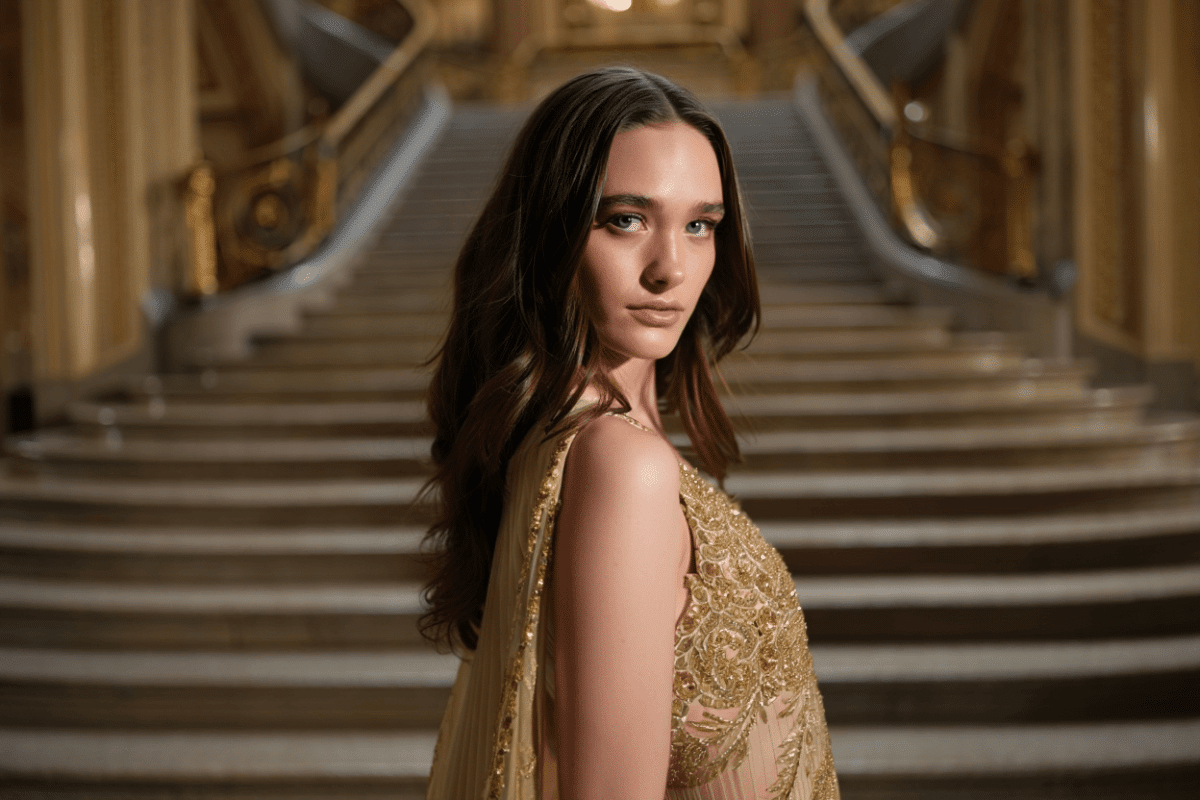
Emilia Clarke delivered a striking fashion statement at the 2026 Met Gala on May 4th, arriving in a gold-embroidered Dolce & Gabbana Alta Moda gown that drew immediate comparison to royalty from her iconic television past. The custom creation featured intricate embroidery and a regal silhouette, positioning Clarke among the evening’s most notable interpretations of the “Fashion is Art” dress code that positioned fashion as the canvas and the body as the artistic medium.
Key Highlights
- Event Date: Monday, May 4, 2026, at the Metropolitan Museum of Art
- Designer: Dolce & Gabbana Alta Moda with hand-embroidered gold embellishments
- Exhibition Theme: “Costume Art” exploring fashion as visual art across centuries
- Exhibition Duration: May 10, 2026 through January 10, 2027 at The Met
Understanding the 2026 Met Gala Theme
The 2026 Costume Institute Benefit marked the institution’s exploration of fashion as legitimate artistic expression. The dress code “Fashion is Art” encouraged attendees to interpret the intersection between wearable design and fine art traditions. Unlike previous years’ thematic constraints, this year’s directive remained intentionally open-ended, allowing designers and attendees significant creative freedom in their interpretations. The philosophy centered on understanding how the human body serves as a canvas and how designers function as painters creating visual masterpieces.
This approach reflected a broader shift in how major cultural institutions address fashion scholarship. The Costume Institute positioned garments not as mere clothing, but as objects worthy of museum-level analysis. The curatorial approach paired hundreds of historical and contemporary pieces with artworks from across The Met’s collection, demonstrating visual and thematic connections between fashion design and fine art traditions spanning centuries.
Clarke’s Dolce & Gabbana Statement
Clarke’s choice of Dolce & Gabbana Alta Moda—the house’s highest level of couture craftsmanship—demonstrated strategic alignment with a designer known for historical and cultural references. The gold embroidered silhouette evoked classical aesthetic traditions while maintaining contemporary construction techniques. The gown featured elaborate handwork characteristic of Alta Moda production, with each embellishment carefully placed to create dimensional depth and light-catching effects.
The actress’s decision reflected her established relationship with the luxury house. Clarke has previously served as the face of Dolce & Gabbana’s fragrance line and regularly appears in the brand’s campaigns and collections. Similar to how other entertainment industry figures leverage established brand partnerships for major events, Clarke’s collaboration with the Italian fashion house represented a mutually beneficial visibility moment on fashion’s most prominent platform.
The Costume Art Exhibition Framework
The exhibition opening drove the event’s significance beyond typical red-carpet coverage. “Costume Art” introduces nearly 400 objects across The Met’s nearly 150,000-piece collection, curated to demonstrate how costume design functions within fine art contexts. The exhibition design paired historical garments with paintings, sculptures, and drawings from across centuries, establishing visual conversations between disciplines traditionally considered separate.
According to exhibition materials, the curatorial framework specifically addressed how fashion relates to the body—examining silhouette, proportion, movement, and the relationship between wearer and designed object. Rather than displaying costumes in isolation, the installation positioned clothing alongside artistic representations of the dressed human figure, tracing aesthetic evolution from Renaissance portraiture through contemporary installation art. The exhibition runs through January 10, 2027, creating an extended public engagement period beyond the benefit gala itself.
Fashion Industry Recognition and Reception
Early coverage noted Clarke’s appearance among standout interpretations of the dress code. Multiple fashion media outlets referenced the “Targaryen royalty” aesthetic created by her gown’s silhouette and golden embroidery, connecting her visual presentation to her most recognized acting role. The comparison, while inevitably referential to her past work, underscored how costume design creates immediate visual impact and cultural resonance.
The 2026 gala drew attendance from major industry figures, including Beyoncé, Nicole Kidman, and Rihanna, who each brought distinct interpretations to the theme. The diversity of approaches—ranging from literal art-inspired designs to abstract conceptual statements—demonstrated the dress code’s intentional flexibility. Fashion critics emphasized how the “Fashion is Art” directive allowed creators to showcase technical mastery while advancing their individual aesthetic philosophies without restrictive historical or conceptual boundaries.
What This Moment Signals for Fashion’s Future
Clarke’s Met Gala moment reflects broader industry trends toward designer collaborations grounded in brand heritage and established relationships. The decision to work with Dolce & Gabbana’s atelier rather than seeking a different designer demonstrated confidence in a sustained creative partnership. For the Italian house specifically, such high-profile moments contribute to ongoing cultural conversations around brand visibility in entertainment, where fashion partnerships increasingly tie into broader celebrity strategy.
The exhibition’s emphasis on fashion as artistic practice—rather than decorative craft—suggests evolving institutional recognition of design’s intellectual significance. Museums increasingly dedicate curatorial resources to fashion history, academic programs expand clothing studies offerings, and collectors pursue garments as investment-grade objects. The Met’s exhibition positioning fashion alongside fine art validates these institutional shifts and signals that fashion scholarship commands equal intellectual rigor to traditional art historical approaches.
Why the Met Gala Continues to Matter for Celebrity Fashion Moments
The annual event’s status persists because it represents fashion’s highest-stakes platform—a night where brand partnerships, creative risk-taking, and cultural moments converge with significant visibility and permanent documentation. For Clarke, the 2026 appearance reinforced her status as a style-conscious actor willing to engage meaningfully with fashion discourse rather than simply wearing designer clothing. The gown’s craftsmanship, the thematic coherence of her choice, and the public reception all contributed to a fashion statement that transcended typical celebrity red-carpet coverage.
The Met Gala traditionally attracts approximately 600 invited guests each May, with attendance highly selective and curated by museum leadership and Vogue editorial direction. Participation signals cultural significance, taste-making authority, or compelling creative contributions. For established actors like Clarke, the event functions as a convergence point between entertainment industry status and fashion world recognition—spaces that don’t always overlap but gain particular power when they do through carefully executed collaborations like the one she brought forward on May 4th.
Sources
- The Metropolitan Museum of Art – Official Costume Institute exhibition details and 2026 event information
- Vogue – Fashion coverage and dress code interpretation analysis from May 4, 2026
- WWD (Women’s Wear Daily) – Costume Art exhibition insider access and red-carpet documentation
- Dolce & Gabbana Official – Alta Moda collection and brand heritage information