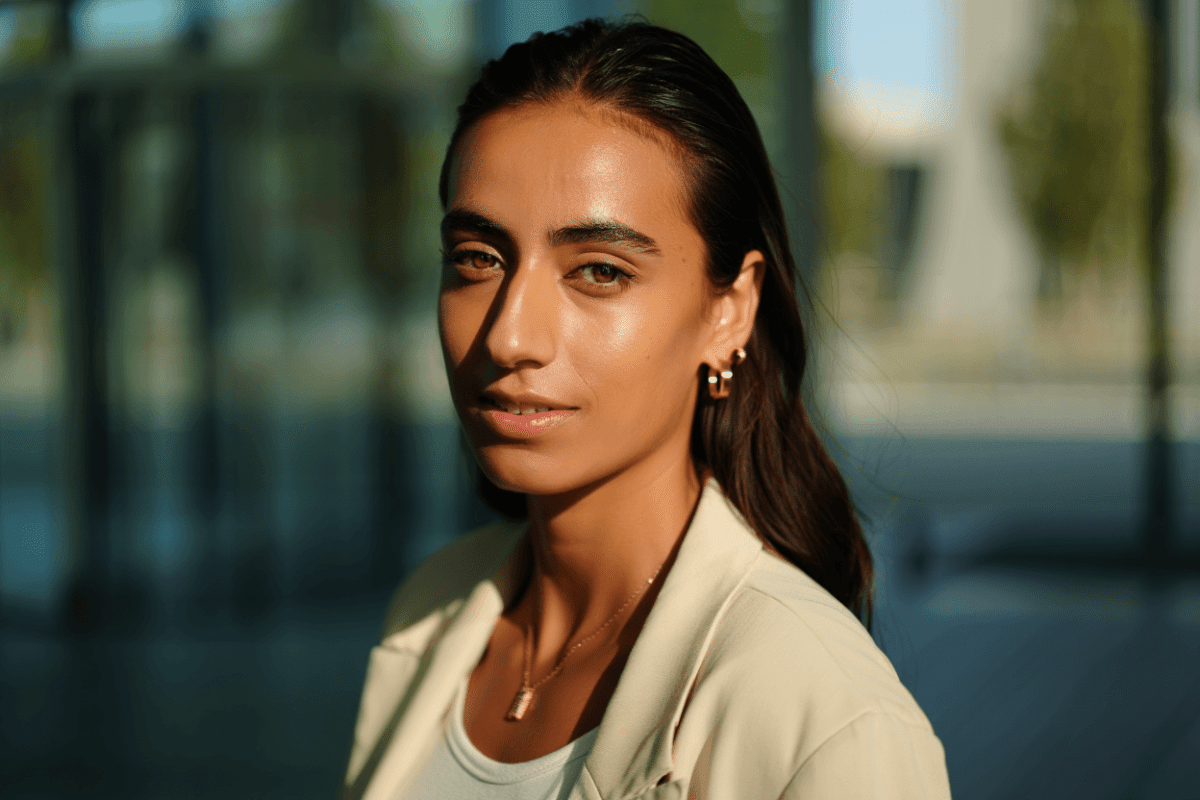
Selena Gomez has earned her place on the Los Angeles Business Journal’s LA500 2026 list for the second consecutive year, a recognition reserved for Los Angeles’ most influential leaders. The honor reflects her transformation from Disney child star to billionaire entrepreneur—a transition driven by Rare Beauty, her Los Angeles-based cosmetics brand that has fundamentally reshaped the celebrity beauty landscape since its 2020 launch.
Key Business Milestones
- Rare Beauty reached billionaire valuation in 2024, just four years after launch—a rare achievement in celebrity beauty brands
- $2.7 billion valuation as of mid-2025, placing the brand among the fastest-growing cosmetics companies in the US market
- Ulta Beauty partnership expansion in early 2026 brought Rare Beauty products to nationwide retail and e-commerce platforms
- $100 million+ investment in mental health initiatives through nonprofit grants and youth mental health programs globally
From Entertainment to El Segundo-Based Empire
The name Selena Gomez carries significant weight across entertainment and business sectors. She spent years as the lead actress on “Wizards of Waverly Place,” building a devoted audience across the Disney demographic. But in 2020, she launched Rare Beauty, signaling a strategic pivot away from dependency on entertainment alone.
The El Segundo-based beauty brand was not designed as a typical celebrity vanity project. Instead, Gomez focused the brand’s mission on mental health awareness, positioning cosmetics as a secondary conversation to emotional wellness. This differentiation proved crucial—in an oversaturated celebrity beauty market, authenticity and purpose became competitive advantages.
Building a Mission-Driven Brand Built on Impact
Rare Beauty’s nonprofit architecture distinguishes it from competing celebrity brands owned by other entertainment figures. According to Inc. magazine, the brand’s grant programs have reached approximately 2.2 million young people globally, while providing training and resources to 29,000 educators.
The mental health focus was not peripheral marketing—Gomez allocated $100 million toward youth mental health services and education expansion. This commitment included developing 134 distinct mental health resources accessible across the globe. For comparison, most celebrity beauty brands allocate less than 5% of annual revenue to social causes.
This approach generated substantial returns beyond goodwill. By positioning Rare Beauty as a category-defining brand rather than another celebrity skin-care line, Gomez attracted Gen Z consumers who increasingly purchase from brands aligned with their values.
Financial Performance and Market Position
| Metric | 2024-2025 Status | Notable Context |
| Brand Valuation | $2.7 billion | Achieved in just 5 years—fastest among celebrity beauty brands |
| Revenue (2023) | $350 million+ estimated | Based on Business of Fashion reporting |
| Retail Distribution | Ulta Beauty partnership (2026) | Expanded nationwide presence across retail and digital channels |
| Wellness Impact | 2.2 million young people reached | Through grant programs and mental health initiatives |
Rare Beauty’s revenue trajectory outpaced traditional cosmetics acquisitions. When Coty acquired brands like Kylie Cosmetics, they invested heavily in expansion. Rare Beauty’s organic growth, by contrast, was driven by consumer demand rather than acquisition-fueled marketing spend.
“Rare Beauty’s booming valuation and mission-driven approach have redefined what celebrity beauty brands can achieve when authenticity and social impact drive business strategy.”
— Based on industry analysis from multiple business publications covering celebrity brand valuations
The LA500 Recognition: What It Means
The LA500 list recognizes the 500 most influential people shaping Los Angeles across business, entertainment, technology, and civic sectors. Selection is determined by Los Angeles Business Journal editorial staff based on demonstrated achievements and community impact.
For Gomez to earn selection for a second consecutive year indicates sustained influence beyond initial celebrity status. The first inclusion likely came in 2025, when Rare Beauty was already approaching billion-dollar valuation. The 2026 inclusion reflects recognition of continued business transformation and LA-based economic leadership.
This positioning matters within Los Angeles specifically—the region’s business community includes major entertainment executives, venture capital investors, aerospace leaders, and real estate developers. Inclusion on the LA500 signals that Gomez operates as a peer-level executive in this competitive landscape.
What Comes Next for Rare Beauty and Gomez’s Brand?
The Ulta Beauty partnership announced for early 2026 represents a critical expansion milestone. Ulta operates 1,400+ stores across the United States, providing beauty retailers with vastly expanded shelf space compared to direct-to-consumer channels alone.
This retail presence introduces Rare Beauty to mainstream American consumers beyond the engaged digital audience that initially drove the brand’s success. For Ulta specifically, the partnership adds a high-growth brand aligned with Gen Z values—Ulta’s core demographic.
Additionally, Gomez’s continued focus on mental health expansion suggests she is building Rare Beauty as a generational brand rather than a trend-dependent beauty line. The $100 million+ investment in mental health represents a defensive business moat—competitors cannot easily replicate authentic, long-term social impact.
Is Gomez Building a Category Benchmark or Defending Market Position?
One question remains central to understanding Rare Beauty’s trajectory: Is Gomez positioning the brand as the gold standard for social-impact cosmetics, or is she defending against inevitable competition from other celebrities entering the beauty space?
The evidence suggests the former. By establishing mental health philanthropy as inseparable from brand identity, Gomez created a standard that competing celebrity brands must match or exceed. This approach is similar to how Warby Parker established eyeglasses as a social-impact category or how TOMS pioneered the one-for-one business model.
As other entertainers launch cosmetics brands, they will face pressure to incorporate similar social missions or risk appearing profit-focused by comparison. Rare Beauty set the category benchmark—and that’s a competitive advantage no acquisition or influencer partnership can easily displace.
Sources
- Los Angeles Business Journal — LA500 2026 list selection and Selena Gomez profile (May 2026)
- Business of Fashion — Rare Beauty revenue and market analysis reporting
- Inc. Magazine — Nonprofit grant program impact metrics and mental health resource data
- Vogue Business — Selena Gomez business strategy and brand positioning analysis (2025)
- Time Magazine — Rare Beauty inclusion in Time 100 Companies (business profile)
- Forbes — Analysis of wealth creation and brand valuation methodology (2025-2026)