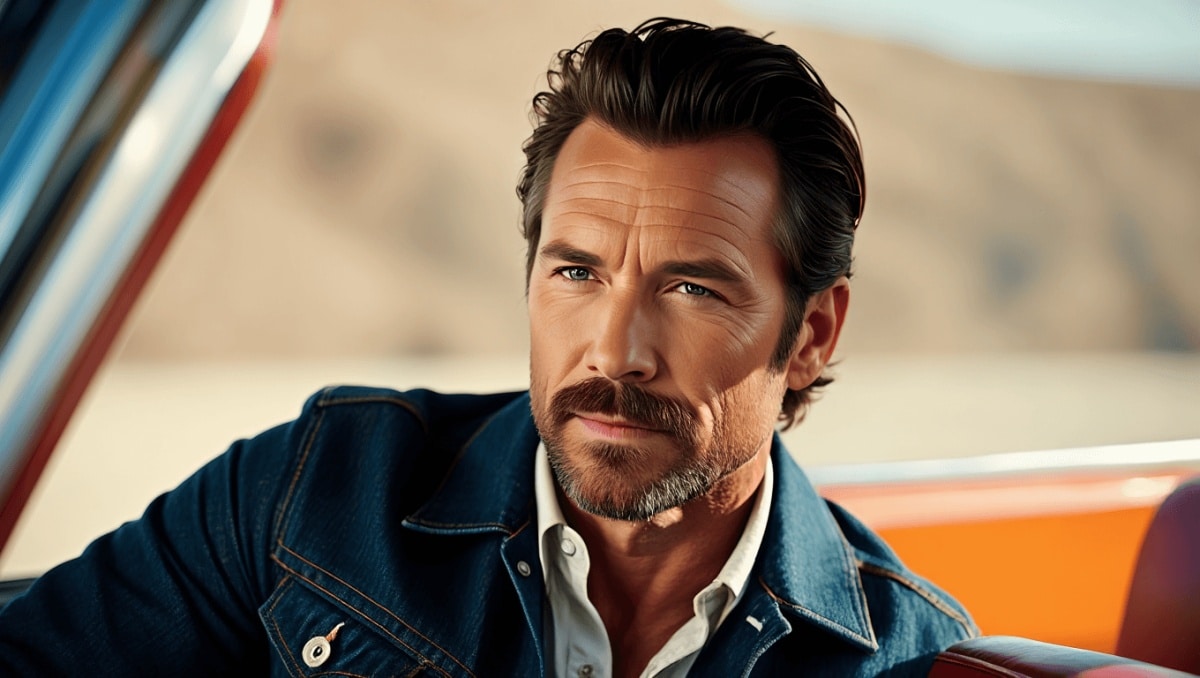
On a recent television appearance, country singer Riley Green put the spotlight on an unlikely subject: his facial hair. What might sound like a throwaway remark quickly opened a wider conversation about image, authenticity and how small details influence a musician’s public life.
Green framed his beard as more than a personal grooming choice — part of the visual shorthand fans associate with him. In the brief on-air moment, he linked his look to the persona he presents onstage, suggesting that style choices can be as communicative as lyrics or stage banter.
Why this matters now
Fans and music industry observers are paying closer attention to artist branding as touring returns and social media amplifies every detail. An artist’s appearance now has direct commercial and cultural consequences, affecting everything from ticket sales to streaming playlists and sponsorships.
How a beard becomes a brand
For performers, especially in genres like country music where notions of tradition and authenticity are central, a consistent visual identity can reinforce the stories they tell. A recognizable look helps create instant familiarity in crowded media feeds and on festival lineups.
Practical implications for fans and the industry
Green’s remarks underscore several tangible effects of a deliberate public image. These are not just cosmetic concerns; they factor into marketing decisions and audience perception.
- Recognition: A distinct look helps an artist stand out on crowded streaming platforms and social timelines.
- Authenticity signals: In country music, traditional cues—clothing, grooming, stage style—can convey credibility to core audiences.
- Merch and monetization: Visual branding feeds into merchandise design and promotional campaigns.
- Media moments: Small, repeatable elements of a persona are easy to reference in interviews, TV spots and viral clips.
A shifting cultural backdrop
Beards and other markers of masculinity have moved in and out of fashion, but today they also carry layered meanings — from heritage and grit to hip aesthetics and self-care trends. When a well-known performer draws attention to such a detail on television, it invites discussion about these broader associations.
Not every remark becomes a movement, of course. Yet the episode serves as a reminder that public image is curated and consequential. For industry watchers, it’s a simple case study: small visual choices can shape how audiences read songs and stories, sometimes long after the music stops.