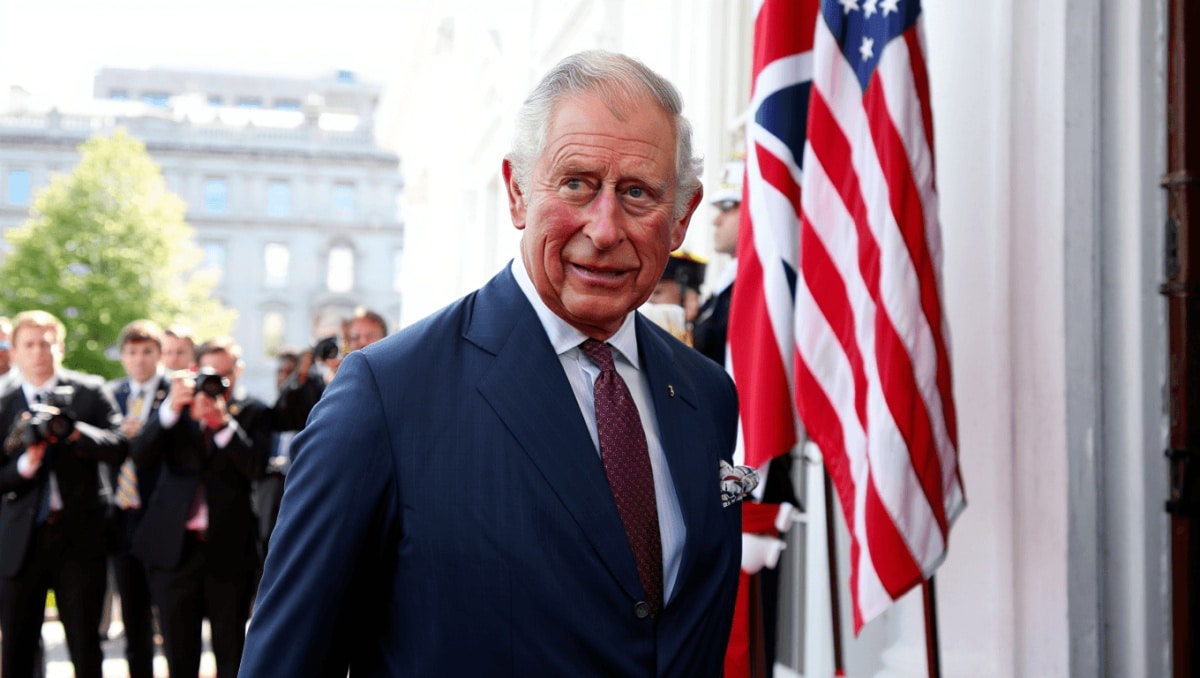
King Charles arrives in Washington beginning April 27 for a rare state visit that doubles as a high-stakes diplomatic moment: it’s his first U.S. trip since the 2022 coronation and the first British sovereign state visit since 2007. With strained U.S.-U.K. ties and a mercurial president in the White House, age-old royal etiquette will be watched as closely as the politics.
Why protocol matters this week
The visit is symbolic as well as ceremonial. It coincides with the United States’ 250th anniversary celebrations and comes after policy disagreements between London and Washington, making every handshake, toast and public exchange read as both social ritual and diplomatic signal.
Royal advisers have mapped the schedule to reduce surprises. Former palace staff and etiquette specialists say the itinerary is tightly controlled to protect the sovereign from awkward moments, while allowing the kind of personal warmth that helps mend official rifts.
How to address the monarch
Etiquette experts stress a simple rule for first introductions: use “Your Majesty” on first meeting with the monarch. For other senior royals, the first-form salutation is “Your Royal Highness.” After that, brief forms such as “sir” or “ma’am” are acceptable.
Observers note that American leaders are not expected to follow every formality to the letter; what matters more is the gesture of respect than perfect wording.
Who leads and who enters first?
The official guidance is that the host nation usually sets the pattern for formal arrivals. In practice, steps are often choreographed so both parties appear to arrive together or with a deference shown to the visiting sovereign.
Past encounters have been scrutinized for perceived breaches of that convention, but palace insiders point out that small deviations sometimes reflect invitations or gestures by the monarch rather than a breach of protocol.
Handshakes, hugs and bows
Royal household veterans and etiquette consultants say the couple are relatively relaxed about greetings. A firm handshake is common; more formal gestures like bows or curtseys are not required from visitors who are not subjects of the Crown.
Air-kissing and embraces are less routine, but hosts may permit gentler, less scripted exchanges when the diplomatic aim is to show friendliness rather than fastidious formality.
State dinners and table customs
White House state dinners today favor sociability over pageantry — round tables, conversational seating and streamlined place settings are the norm. Menus are vetted in advance and adjusted for guests’ dietary needs.
King Charles has long advocated for seasonal, sustainable fare and tends to avoid certain dishes on ethical grounds; aides normally coordinate meals so service is discreet and uniform. Drinks for the royal party are often prepared by the royal team in advance to meet the household’s standards.
Dress, jewels and garden parties
This visit’s evening events are expected to be black tie, meaning tuxedos for men and formal evening wear for women. State occasions remain among the few contexts where tiaras and family jewels appear.
For the garden party at the ambassador’s residence, hosts have asked guests to avoid hats — a departure from British practice where headwear is usually standard for daytime royal events.
Gifts, briefings and risk management
Gift exchanges are customary and symbolic. Past visits show a preference for tokens tied to history or culture — public, photographed gestures that underline mutual respect. Officials typically plan any presentation carefully so it aligns with broader diplomatic messaging.
The royal household and U.K. foreign office invest heavily in run-throughs and briefings to minimize awkward or unexpected public moments. That preparation is meant to limit exposure to spontaneous risks and keep the visit’s tone steady.
If a protocol slip happens
Veteran staffers expect any unscripted or off-the-cuff behavior to come from the U.S. side rather than the sovereign. The king and queen are highly experienced public figures; their training emphasizes composure and deflection over visible reaction.
When disagreements or missteps occur, hosts typically steer the program back to planned protocol — a diplomatic reset that preserves the public face of the meeting.
Quick reference: What to watch during the visit
- First greeting: “Your Majesty” for the monarch at first encounter; then “sir/ma’am.”
- Entrances: Host nation usually sets the sequence; side-by-side arrival is common.
- Greetings: Handshakes are standard; bows and curtseys are optional for non-Subjects.
- Dining: Round-table state dinners, pre-approved menus, emphasis on seasonal and sustainable food.
- Drinks: Royal drinks often prepared and sealed by the royal team in advance.
- Dress: Evening events likely black tie; tiaras possible for senior royal women at formal banquets.
- Garden party: Hosts have discouraged hats for this U.S. event.
Above all, etiquette here serves a purpose beyond ceremony: to create steady, readable diplomatic theater. In a week when both symbolism and substance matter, the smallest gestures — a greeting, a toast, a pause — will be parsed for signals about the future of the U.S.-U.K. partnership.