The new sequel to The Devil Wears Prada arrives at a moment when public trust in newsrooms is fragile and screens are crowded with misinformation. Rather than retreating into fashion-world spectacle, the film quietly places questions about the survival of credible reporting and the role of television news at the center of its story — a shift that matters beyond the red carpet.
A glossy sequel with an editorial conscience
At first glance the movie looks and feels like its predecessor: high-fashion sets, sharp dialogue, and a spotlight on power dynamics within a media institution. But underneath the surface, it turns the camera toward newsroom priorities that too often go unseen — accuracy, verification and the newsroom decisions that shape what millions of viewers accept as fact.
That emphasis is timely. Newsrooms across platforms have been shrinking, and attention is splintering across social media and streaming. By dramatizing the daily choices editors make — what to run, what to hold, how to push back against sensational grabs for clicks — the film underscores how fragile public information ecosystems really are.
What the film foregrounds
Rather than treat journalism as background color, the sequel spotlights several operational and ethical pressures that determine how stories reach audiences. These include the tension between speed and accuracy, the commercial imperatives driving programming, and the way personal ambition can collide with editorial judgment.
- Verification vs. velocity: Scenes that dramatize last-minute checks and reluctant retractions show how fact-checking is often invisible labor that protects viewers.
- Editorial independence: The plot dwells on conflicts between commercial executives and editors, illustrating how business interests can influence coverage choices.
- Representation and accountability: The story gives airtime to how marginalized voices are framed — and how editing choices can either amplify or silence important perspectives.
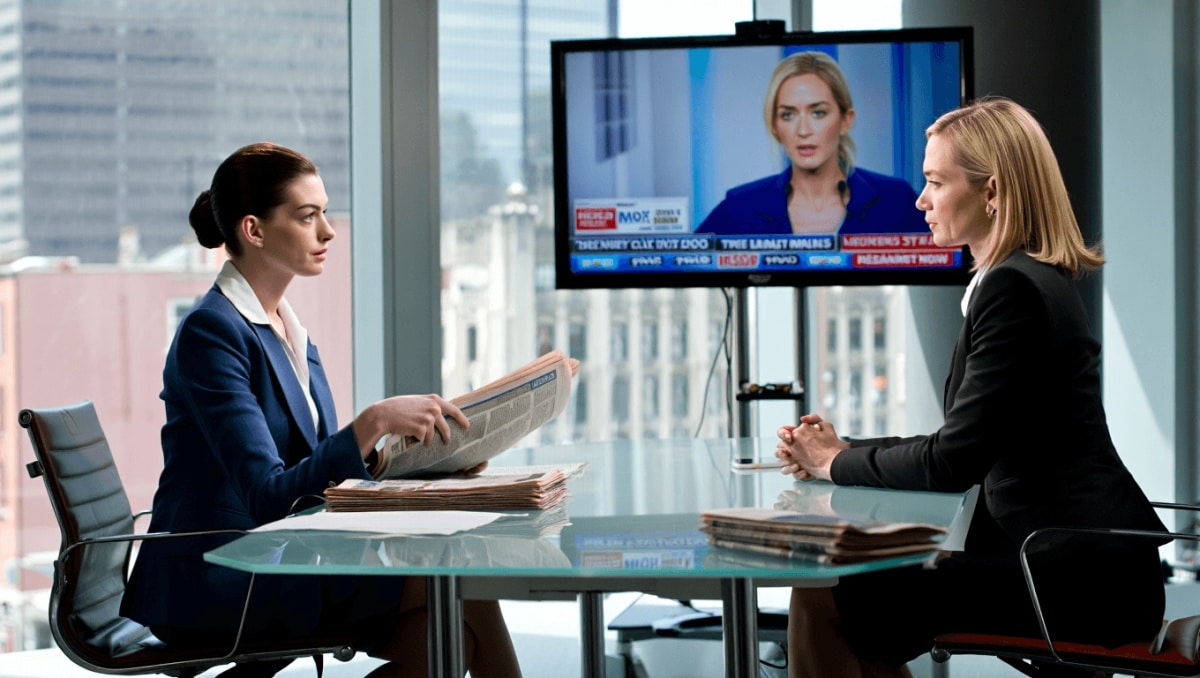
- Media literacy: By showing the construction of a TV headline, the film invites audiences to think about how narratives are shaped, not simply presented.
Why this matters now
Television remains a trusted source for many, particularly in fast-moving crises. When entertainment highlights the inner workings of news production, it can deepen public understanding of why some errors happen — and why robust editorial safeguards are worth defending.
That understanding has concrete consequences: stronger public support for newsroom funding, more informed viewers who question dubious claims, and pressure on platforms and publishers to prioritize verification. The film’s depiction of newsroom tradeoffs could influence how audiences judge those tradeoffs in real life.
Not a lecture — an invitation
The sequel avoids being didactic. It uses character-driven conflict and recognizable industry minutiae to make its point, which can be more persuasive than overt moralizing. Viewers are invited to notice the choices editors make and to ask why those choices matter.
Still, the movie is a dramatization. It simplifies and condenses processes that in real newsrooms are more bureaucratic and less cinematic. That gap can be useful: the film introduces concepts without pretending to capture every procedural detail, sparking curiosity rather than supplying a manual.
Takeaways for viewers and the industry
Some likely practical effects: viewers may become more skeptical of quick-breaking headlines; journalism students may find fresh teaching moments; news organizations could use the film as a conversation starter about standards and staffing.
- For audiences: Watch with attention to how and why stories are edited — and question rapid claims.
- For media consumers: Look for outlets that demonstrate transparent correction policies and clear sourcing.
- For newsrooms: The movie is a reminder that visible investment in verification and editorial independence pays dividends in public trust.
In an era when the line between entertainment and information blurs daily, a mainstream film that treats journalism as consequential — not merely decorative — matters. By dramatizing the ethical and operational choices behind television news, The Devil Wears Prada 2 makes a case for protecting the processes that keep public discourse grounded in verified facts and responsible reporting.