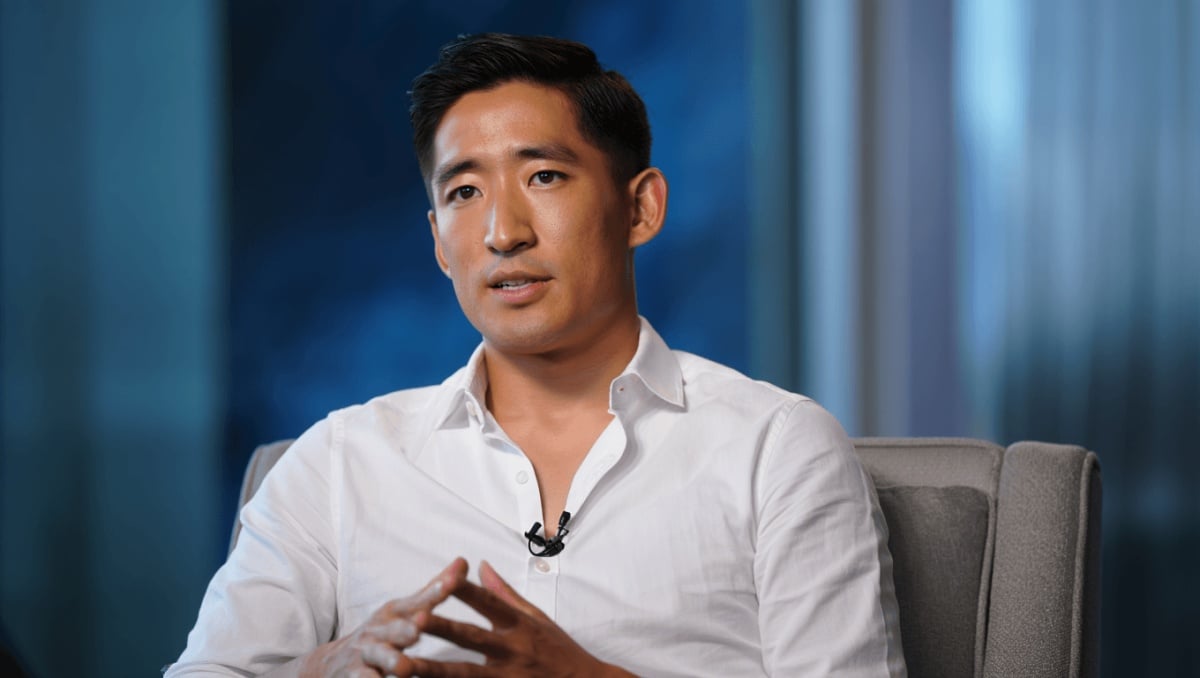
Bowen Yang has publicly explained why he stepped away from Saturday Night Live, saying the move was about creative freedom and personal priorities rather than any single dramatic event. His explanation offers a window into how performers navigate fame, career growth, and the demands of a weekly live sketch show.
Yang’s departure from SNL has drawn attention because he quickly became one of the show’s most distinctive voices — known for sharp impressions and original characters — and his exit raises questions about what current and former cast members choose when balancing exposure with creative control.
What he said — and what it means
In recent public comments, Yang framed the decision as a deliberate pivot. He described wanting more time to develop long-form projects, to write and perform outside the constraints of a weekly live broadcast, and to explore opportunities in film, television and streaming that require a different schedule and creative bandwidth.
That explanation aligns with a trend among modern sketch and late-night talents who use high-profile TV platforms as springboards, then leave to pursue projects that provide ownership, steadier hours, or deeper creative input.
Immediate implications
For viewers, the loss is tangible: a familiar performer and a specific comedic point of view no longer appears every week. For Yang, the payoff could be greater variety and control over the kinds of roles and stories he pursues.
- Creative control: Leaving a weekly show frees time for writing, producing, and starring in projects where performers often hold more sway.
- Career diversification: Film and streaming roles can offer longer arcs and higher visibility in different formats.
- Work-life balance: The relentless schedule of live television often drives talent to seek slower, more manageable rhythms.
Industry perspective
Producers and agents see departures like this as both a challenge and an opportunity. SNL must refresh its roster to keep sketches fresh and represent a changing audience, while other outlets view a departing cast member as a hot commodity.
Yang’s move also highlights how shows that once served as near-exclusive pipelines to stardom now function within a broader ecosystem of platforms. Streaming services and boutique studios can offer projects that suit a performer’s brand in ways broadcast television increasingly cannot.
What to watch next
Expect two immediate storylines: the kinds of projects Yang chooses next, and how SNL fills the creative gap he leaves behind. If he pursues writing or producing credits, those roles will be revealing about his long-term direction. If he focuses on acting in films or serialized TV, that will show a preference for narrative depth over sketch variety.
For the show, casting new talent and reshaping ensemble dynamics will be critical. SNL has a history of fast turnover and reinvention; the question is whether new hires can quickly establish the same cultural resonance.
Whatever comes next, Yang’s explanation underscores a broader point about contemporary entertainment careers: visibility on a major platform is valuable, but it’s often just the beginning of a larger, more intentional path.